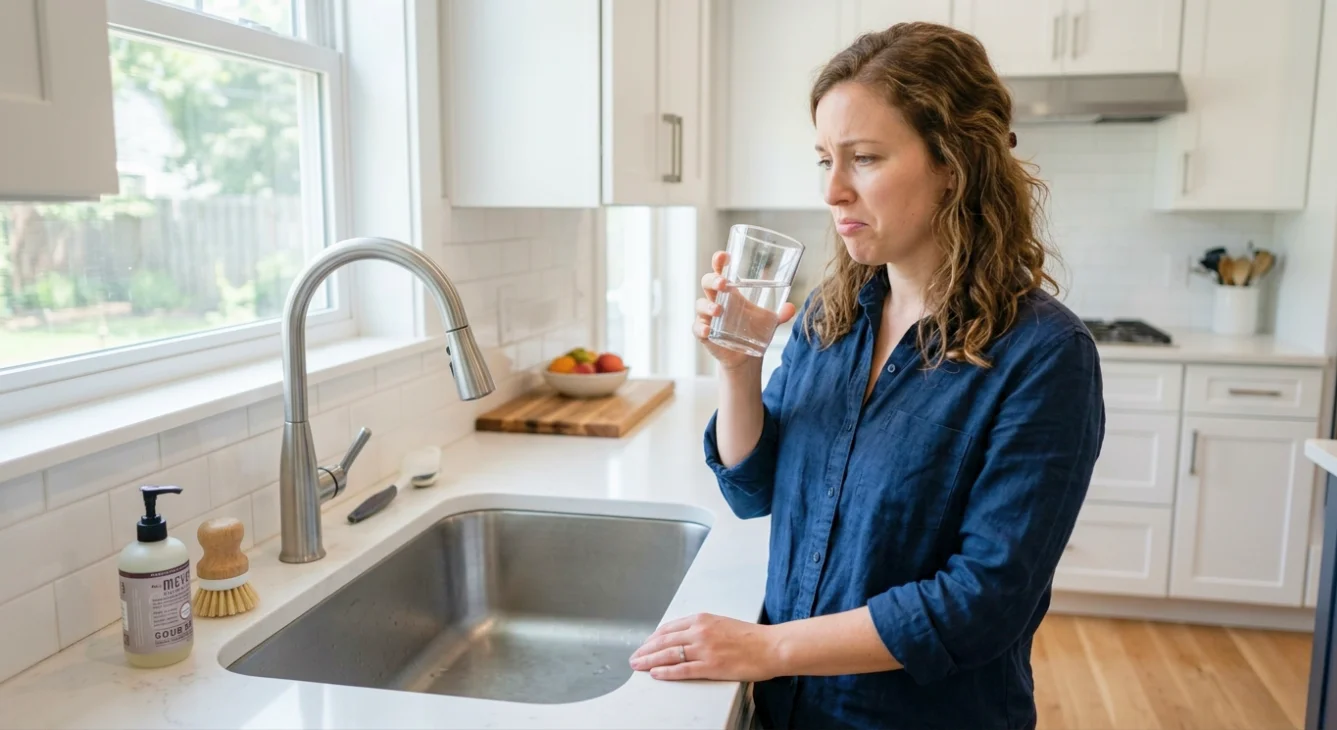
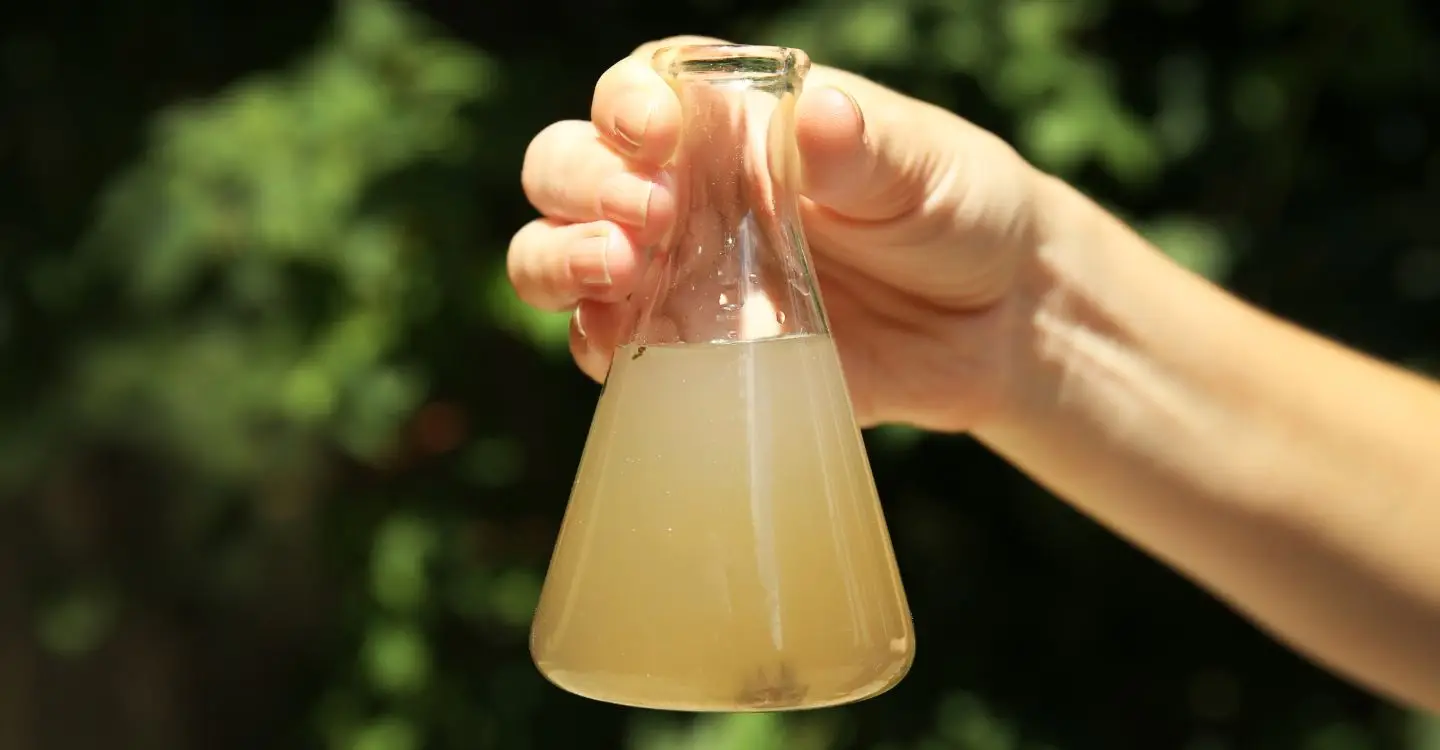
Walk into any kitchen in Brooklyn, whether it’s a sprawling renovated loft in Bushwick or a cozy rent-stabilized unit in Bay Ridge, and you’re likely to see the same sight perched on the countertop: a plastic water filter pitcher. Brooklyn home water testing specialists can tell you what that pitcher cannot, whether your water contains lead, PFAS, bacteria, or other dangerous contaminants that basic charcoal filters were never designed to remove. For years, these devices have been the “security blanket” of the New York City tenant. We tell ourselves that as long as the water passes through that small charcoal puck, it’s stripped of the “old building” taste and made perfectly safe.
However, as we move through 2026, a growing number of residents are realizing that their off-the-shelf filters are significantly overmatched. Between the aging lead service lines of the borough’s historic brownstones and the increasing complexity of urban micro-contaminants, the “pitcher method” is proving to be a cosmetic fix for a systemic problem.
The False Sense of Security
The primary issue with standard point-of-use filters is that they are designed for aesthetics, not remediation. Most basic pitchers are certified only to reduce chlorine (for taste) and perhaps some sediment. They are rarely equipped to handle the heavy metal concentrations found in Brooklyn’s aging infrastructure.
In many neighborhoods like Brooklyn Heights and Bedford-Stuyvesant, the water entering the building is generally high quality, but the “last mile” the pipes connecting the street main to your kitchen faucet, is where the trouble starts. If your building has lead service lines or internal galvanized plumbing, a standard charcoal filter can become saturated within days, essentially becoming a breeding ground for bacteria rather than a shield against toxins.
The “Last Mile” Problem in Brooklyn
New York City’s water is often hailed as the “champagne of tap water,” sourced from the pristine Catskill and Delaware watersheds. But by the time that water reaches a fourth-floor apartment in a 1920s walk-up, it has traveled through a labyrinth of materials.
1. Saturated Lead Service Lines While the city is making strides in its Lead Service Line Replacement Program, thousands of Brooklyn properties still rely on lead pipes. When water sits stagnant in these pipes overnight, the concentration of lead can spike. Small, gravity-fed filters often lack the contact time and specialized media required to pull these heavy metals out effectively.
2. Microplastics and Emerging Contaminants In 2026, the conversation around water quality has shifted toward “forever chemicals” (PFAS) and microplastics. Recent studies have shown that urban water systems are increasingly susceptible to these microscopic pollutants. Most standard retail filters are not rated to catch particles at this scale. For residents concerned about these specific risks, our services include high-level laboratory analysis that goes far beyond what a home “test strip” can reveal.
Why Your Filter Might Be Failing You
If you’ve noticed that your water still tastes metallic or your skin feels itchy after a shower (even with a shower filter), you aren’t alone. Here is why the “quick fix” isn’t working for Brooklynites:
Flow Rate vs. Filtration Quality Many “fast-fill” filters prioritize convenience over safety. To move water quickly through a filter, the pores in the filtration media must be larger. Larger pores mean that smaller, more dangerous contaminants, like lead particulates or dissolved copper, simply slip through the gaps.
The Bacterial Trap If you don’t change your filter exactly on schedule, which, let’s be honest, few busy New Yorkers do, the filter itself can begin to leach trapped contaminants back into your water. In the humid environment of a Brooklyn kitchen, an expired filter can even harbor biofilm and bacteria. If you are unsure about the state of your building’s water, checking our FAQ can help you identify the signs of a failing system.
The 2026 Reality: New Standards for New Challenges
The Environmental Protection Agency (EPA) has recently tightened the “Action Level” for various contaminants. What was considered “acceptable” a decade ago is now recognized as a potential health risk, particularly for developing children and those with compromised immune systems.
In Brooklyn, the challenge is localized. A resident in a new high-rise in Downtown Brooklyn faces different water quality issues (such as high chlorine or construction-related sediment) than someone in a pre-war building in South Brooklyn. This neighborhood-specific variance is why we maintain a detailed presence across different locations to better understand the local plumbing landscape.
Beyond the Pitcher: What Real Protection Looks Like
If a pitcher isn’t enough, what is? The answer lies in professional-grade filtration and, more importantly, accurate data.
- Multi-Stage Filtration: Look for systems that utilize Reverse Osmosis (RO) or multi-stage carbon block technology certified under NSF/ANSI Standard 53.
- Whole-Home Solutions: For those who own their homes, a point-of-entry system ensures that the water you use for bathing and laundry is as clean as the water you drink.
- Independent Testing: The most expensive filter in the world is useless if it isn’t targeting the specific contaminants present in your pipes.
Testing is the only way to move from guesswork to certainty. Many residents are discovering that after they receive their lab results from our blog resources or direct testing, they were able to buy a much more affordable, targeted filter rather than a “one-size-fits-all” model that didn’t work.
Taking Control of Your Tap
Brooklyn living involves many compromises, tiny kitchens, noisy subways, and expensive rent, but the safety of your drinking water shouldn’t be one of them. While the city works on the multi-decade project of replacing old mains, the responsibility for what comes out of your specific tap remains with you.
Don’t wait for a change in the water’s color or smell to take action. Most dangerous contaminants, including lead and PFAS, have no taste or odor. The discovery that your current filter isn’t doing the job is the first step toward a healthier home.
If you are ready to see what is actually in your glass, reach out through our contact page to schedule a professional water quality test.