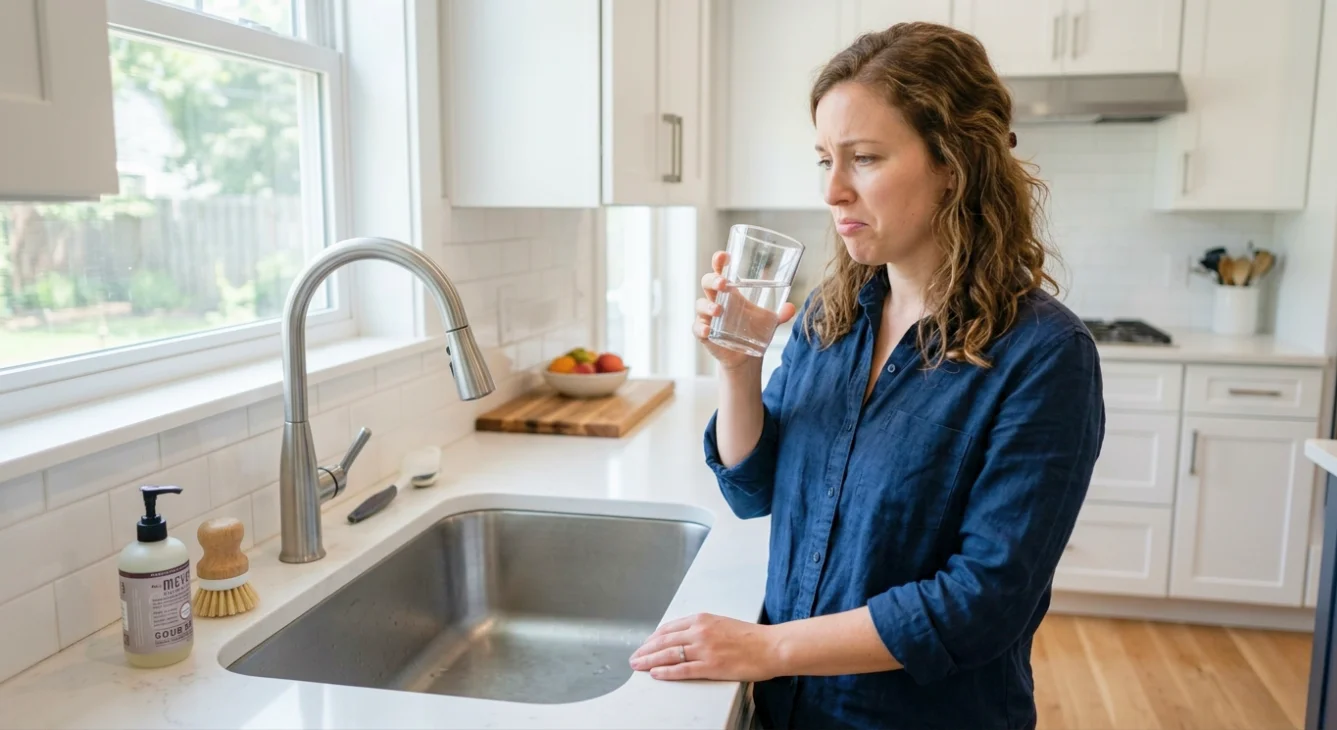
Newark is a city that knows the value of vigilance when it comes to water. After the well-documented lead crisis of the late 2010s and the subsequent, world-class effort to replace over 23,000 lead service lines, Newark residents have become some of the most water-conscious citizens in the country. However, as we move through early 2026, a new concern is bubbling up in neighborhoods from the Ironbound to the North Ward: a persistent, sharp metallic taste in the tap water.
What makes this situation particularly unsettling for local families is the lack of official alerts. While the City of Newark Department of Water and Sewer Utilities continues to report that the system is in compliance with federal standards, the sensory experience at the kitchen sink tells a different story. If your water tastes like a handful of pennies but your official report card says “A,” you aren’t imagining things, you are likely experiencing the “last-mile” complexities of an urban water grid in transition.
The Mystery of the Metallic Tang
A metallic taste is often the first warning sign that the chemistry of your water has shifted. In 2026, Newark families are reporting this sensation even in homes that were part of the celebrated lead service line replacement program. There are several reasons why this might be happening:
1. Corrosion Control Adjustments Newark uses orthophosphate as a corrosion inhibitor. This chemical creates a protective coating inside pipes to prevent lead and copper from leaching into the water. However, maintaining the perfect balance of orthophosphate, pH levels, and alkalinity is a delicate science. If the city adjusts these levels, often necessary during seasonal shifts or reservoir changes, it can temporarily alter the taste of the water, making it seem “sharper” or more metallic.
2. Legacy Internal Plumbing While the city replaced the service lines from the street to the meter, the pipes inside your home remain your responsibility. Many Newark homes still have original copper piping joined with lead solder or older galvanized steel risers. These internal pipes can corrode over time, releasing iron, zinc, or copper into your drinking water. This is a primary focus of our services, where we help homeowners distinguish between city-wide issues and internal plumbing failures.
Why “Safe” Doesn’t Always Mean “Clean”
The NJ Department of Environmental Protection (DEP) sets “Action Levels” for contaminants like lead (15 ppb) and copper (1.3 ppm). If a city’s water tests below these levels, no official warning is required. However, a metallic taste can occur at concentrations much lower than the legal limit.
- Iron and Manganese: These are secondary contaminants. They aren’t usually considered toxic, but they cause a strong metallic taste and can stain laundry and fixtures.
- Low pH (Acidic Water): If the water’s pH drops below 7.0, it becomes “aggressive” and begins to dissolve the metal from your pipes and faucets. This gives the water a sour, metallic “bite” even if the metal content is relatively low.
For families in the West and South Wards, who are primarily served by the Pequannock system, these subtle shifts in chemistry are often more noticeable. You can find more information on ward-specific water trends by visiting our locations page.
The 2026 Construction Factor
Newark is currently undergoing a period of intense infrastructure renewal. From road repaving to the installation of new water mains, the ground is frequently vibrating. These physical disturbances can knock loose “scale” from the inside of older municipal pipes.
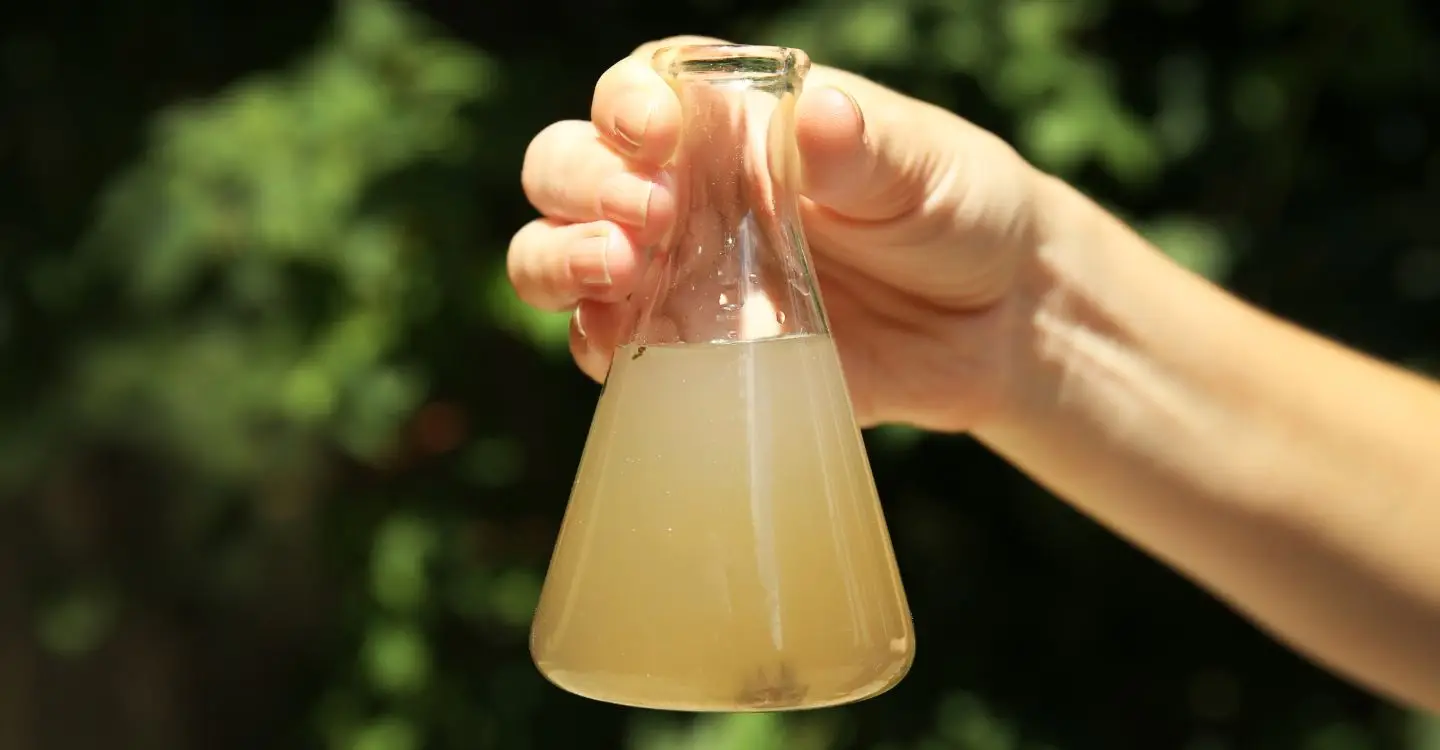
This scale, which contains minerals and trace metals, can travel through the system and end up in your faucet aerator. Even if the water leaving the reservoir is perfect, the “plume” of sediment caused by construction three blocks away can make your tap water taste like metal for days. We frequently update our blog with news on how local construction projects are impacting residential water quality.
What Newark Families Can Do Right Now
If you have noticed a metallic taste but haven’t seen an official advisory, you don’t have to wait for the city to act. Here are three steps to take today:
- The 2-Minute Flush: If your water has sat in the pipes for more than six hours, run the cold water for at least two minutes before using it for drinking or cooking. This flushes out any metals that have leached from your home’s internal plumbing.
- Clean Your Aerators: Unscrew the small screen at the end of your faucet. If you see tiny brown or black particles, you are likely dealing with sediment from local pipe disturbances.
- Check Your Water Heater: If the metallic taste is only present in your hot water, it’s a sign that your water heater’s anode rod is failing or that sediment has built up in the tank.
For more DIY diagnostic tips, our FAQ section provides a comprehensive guide to identifying common water quality issues in urban environments.
The Importance of Independent Verification
In a city with Newark’s history, “trust but verify” is a way of life. Official reports provide a broad overview of the city’s health, but they cannot tell you what is happening at your specific kitchen sink. A metallic taste is a signal that your water chemistry has changed, and it should never be ignored, especially in homes with children or pregnant women.
Independent laboratory testing provides a granular look at your water, detecting heavy metals like lead and copper at levels far below the city’s reporting threshold. It is the only way to move from “feeling” that something is wrong to “knowing” exactly what is in your glass.
If you are concerned about a persistent metallic taste in your Newark home, visit our contact page to schedule a professional, lab-certified water quality assessment.