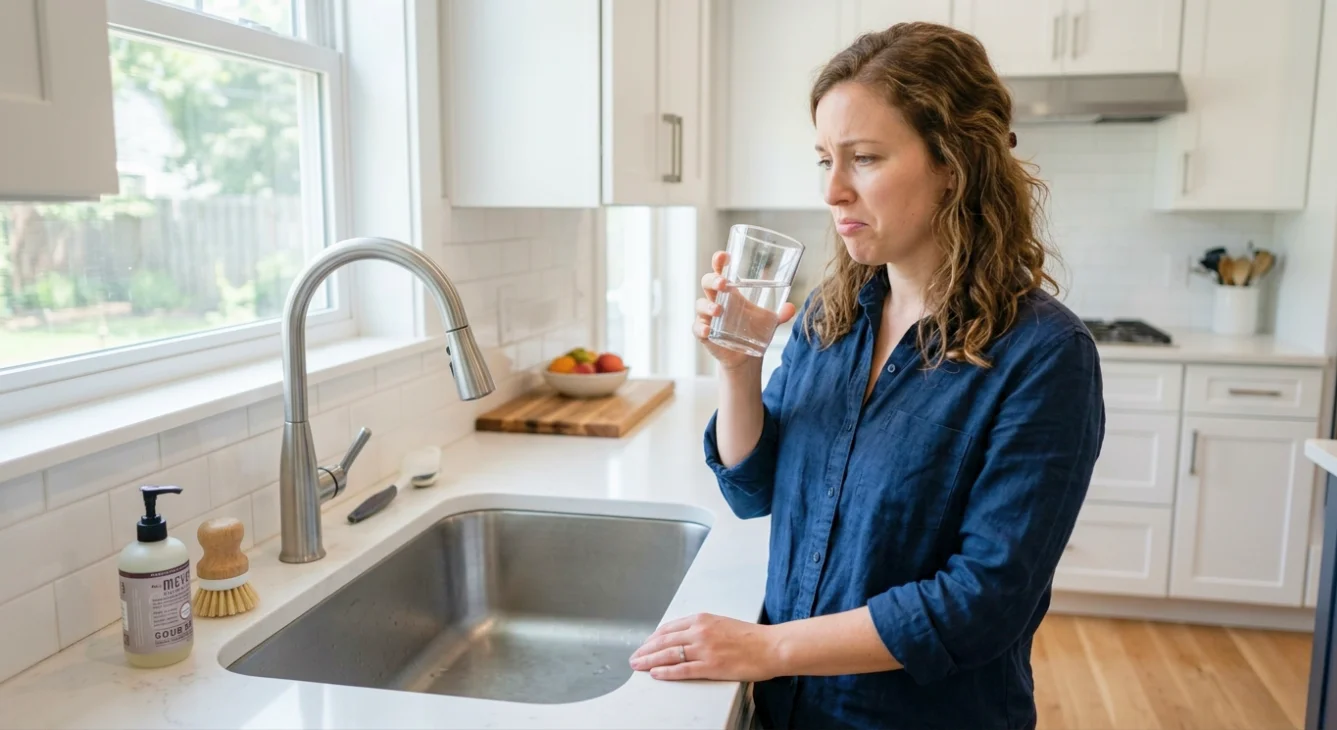
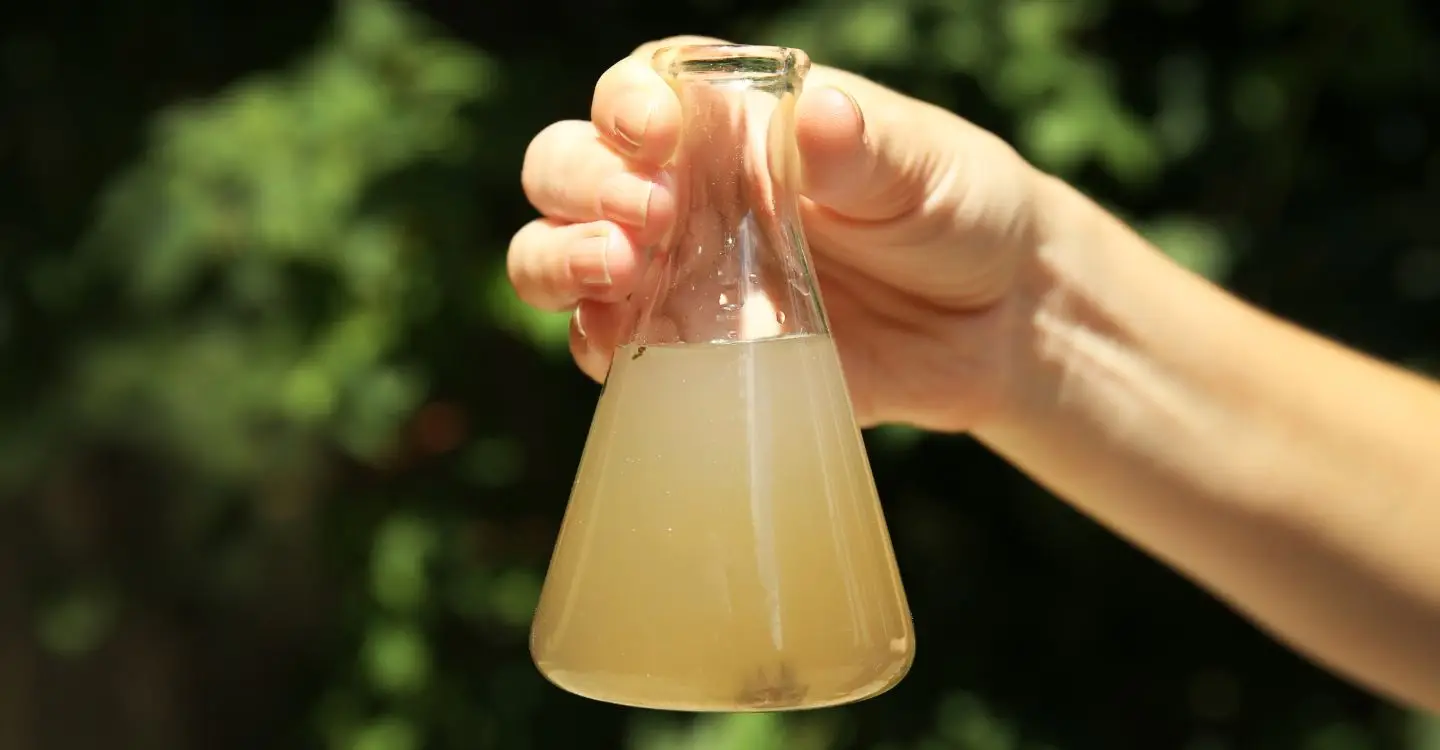
Queens is a borough of neighborhoods, from the bustling streets of Jackson Heights to the quiet, tree-lined blocks of Forest Hills and Kew Gardens. For many New Yorkers, the dream of homeownership is realized through the Co-op, a unique New York City institution where you don’t just own an apartment, but a share of a collective. However, owning a piece of a historic building comes with collective responsibilities and, sometimes, collective risks. Queens condominium water testing specialists help co-op boards and individual shareholders uncover exactly these hidden dangers by testing water at multiple points throughout shared plumbing systems, identifying contamination that one unit’s results alone could never reveal. Recently, a long-time resident of a well-maintained garden apartment complex in Flushing decided to perform a routine water quality test. What the results revealed didn’t just surprise the owner; it sent shockwaves through the entire Co-op board.
In 2026, as the city’s infrastructure continues to age, this story serves as a cautionary tale for anyone living in a multi-family dwelling in Queens.
The “Safe Building” Assumption
The owner, whom we will call Sarah, had lived in her two-bedroom Co-op for over a decade. The building was constructed in the late 1940s, a period known for solid masonry and spacious layouts. Like most residents, Sarah assumed that because the building’s common areas were pristine and the Super was attentive, the “bones” of the building, including the plumbing, were in good health.
Sarah had always used a standard refrigerator filter and noticed no strange smells or discoloration in her water. She decided to test her water only after a neighbor mentioned a renovation project that uncovered old, corroded piping. She reached out for professional services to get a definitive answer.
The Results: A Cocktail of Contaminants
When the lab results came back, the numbers were far from what Sarah expected. Despite the city’s overall reputation for high-quality water, the “point-of-use” samples from her kitchen sink showed levels of contaminants that exceeded federal safety guidelines.
1. Lead Concentrations at the Tap The most alarming discovery was a lead level of 18 parts per billion (ppb). The Environmental Protection Agency (EPA) has an “action level” of 15 ppb, but health experts agree that for children and vulnerable populations, there is no truly safe level of lead.
The shock for Sarah was that her building had supposedly replaced its main service lines years ago. However, the testing revealed that “legacy lead” found in the solder of the internal branch lines and the brass fixtures within her own unit, was leaching into her water overnight.
2. Elevated Copper and “Blue Water” Syndrome The test also flagged elevated copper levels. While copper is an essential nutrient in trace amounts, high levels can cause gastrointestinal distress and, over time, liver or kidney damage. In many Queens Co-ops, the use of aggressive water treatments or slightly acidic water flowing through old copper pipes can lead to significant leaching.
3. Sediment and Micro-Particulates The lab also found high levels of “total suspended solids.” This was likely rust and scale from the building’s aging galvanized risers. These particles don’t just affect the taste; they can act as vehicles for bacteria and heavy metals, carrying them directly into your glass.
Why Co-ops are Uniquely Vulnerable
In a single-family home, the homeowner is the sole decision-maker. In a Co-op, the situation is more complex. The responsibility for plumbing is often split: the “main” lines and risers are the responsibility of the corporation, while the “branch” lines behind the walls of an apartment may be the responsibility of the individual shareholder.
This creates a “grey area” where maintenance can be deferred for decades. In neighborhoods like Sunnyside or Rego Park, many Co-ops are reaching a tipping point where the original plumbing is simply failing. For residents in these areas, checking our locations page can help identify if your specific neighborhood has seen a spike in similar infrastructure issues.
The 2026 Regulatory Climate in Queens
As of 2026, the NYC Department of Health and Mental Hygiene has increased its oversight of lead in multi-family dwellings. New local laws are beginning to mirror the strict requirements already in place for lead paint, moving toward mandatory disclosures of water service line materials for all Co-op and Condo sales.
For Sarah, the test results were the “smoking gun” she needed to bring the issue to her board. Without the lab-certified data, her concerns would have likely been dismissed as an individual apartment issue. Instead, the data proved it was a building-wide concern.
How to Interpret Your Own Risk
If you live in a Queens Co-op, you should not wait for a neighbor’s renovation to spark curiosity. There are several factors that increase your risk:
- The Age of the Building: Any building constructed before 1986 likely contains lead solder.
- Stagnant Water: In large buildings, water can sit in the risers for hours during the day when residents are at work, increasing the time for metals to leach.
- Recent Construction: Paradoxically, nearby water main work or internal plumbing repairs can “knock loose” lead and scale, leading to temporary spikes in contamination.
Many shareholders have questions about whether their specific unit layout affects their risk. We address many of these neighborhood-specific concerns in our FAQ section.
Moving from Shock to Solution
The “shocker” in Sarah’s story isn’t just what was found, but how easily it could have remained hidden. Lead and copper rarely announce themselves with a smell or a color. Once the board was presented with the lab results, they took the following steps:
- Building-Wide Flush: Implementing a protocol for flushing the system after any water shutdowns.
- Point-of-Entry Filtration: Exploring the installation of a high-capacity filtration system in the basement to protect all units.
- Routine Monitoring: Committing to annual testing to ensure that as the building ages, the water remains safe.
Sarah’s proactive approach likely saved her neighbors from years of low-level toxic exposure. You can read more about similar cases and how to protect your family on our blog.
Don’t Let Your Infrastructure Be a Secret
Owning a Co-op is about community and shared investment. Protecting the water supply is one of the most important ways to protect that investment, and your health. If you are a Queens resident concerned about the “hidden” history of your building’s pipes, the first step is obtaining accurate, professional data.
The “champagne of tap water” is only as good as the glass it’s served in, and the pipes it travels through to get there.
If you are ready to test your apartment and ensure your family is safe, visit our contact page to speak with a specialist about your building’s specific needs.