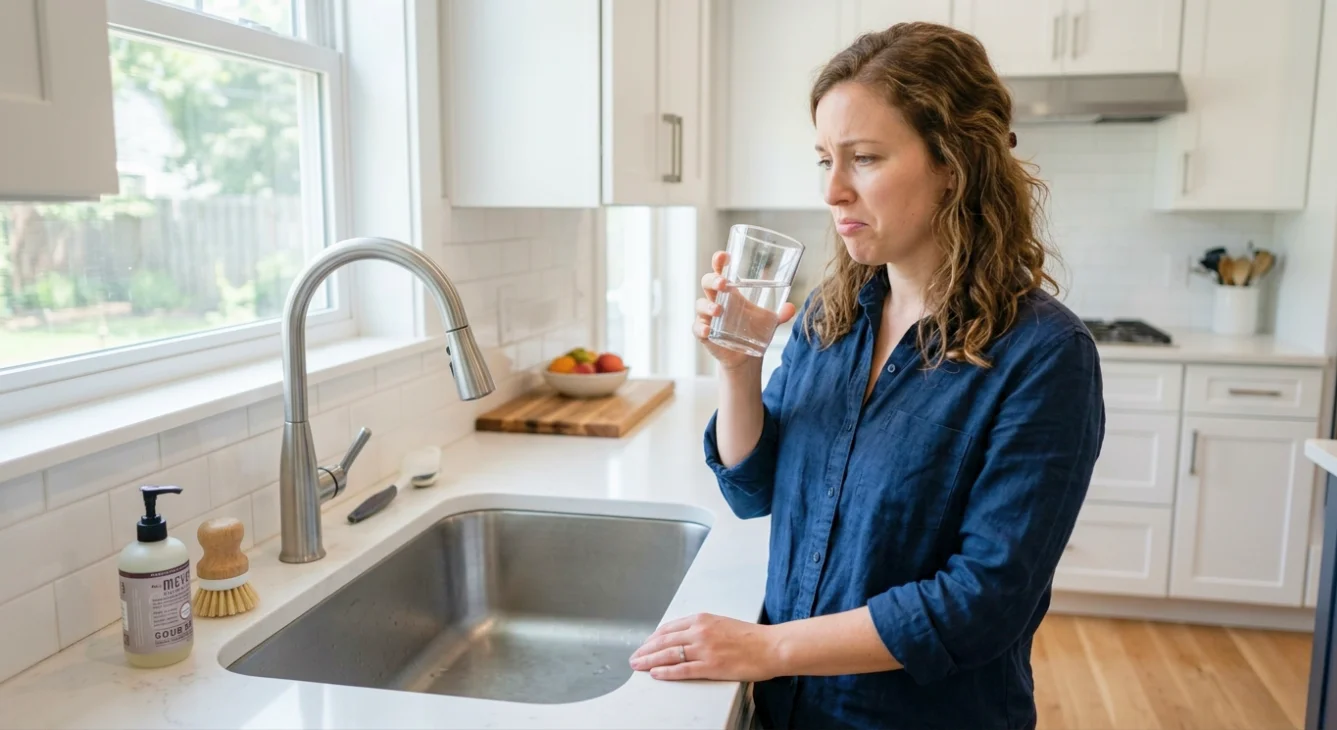
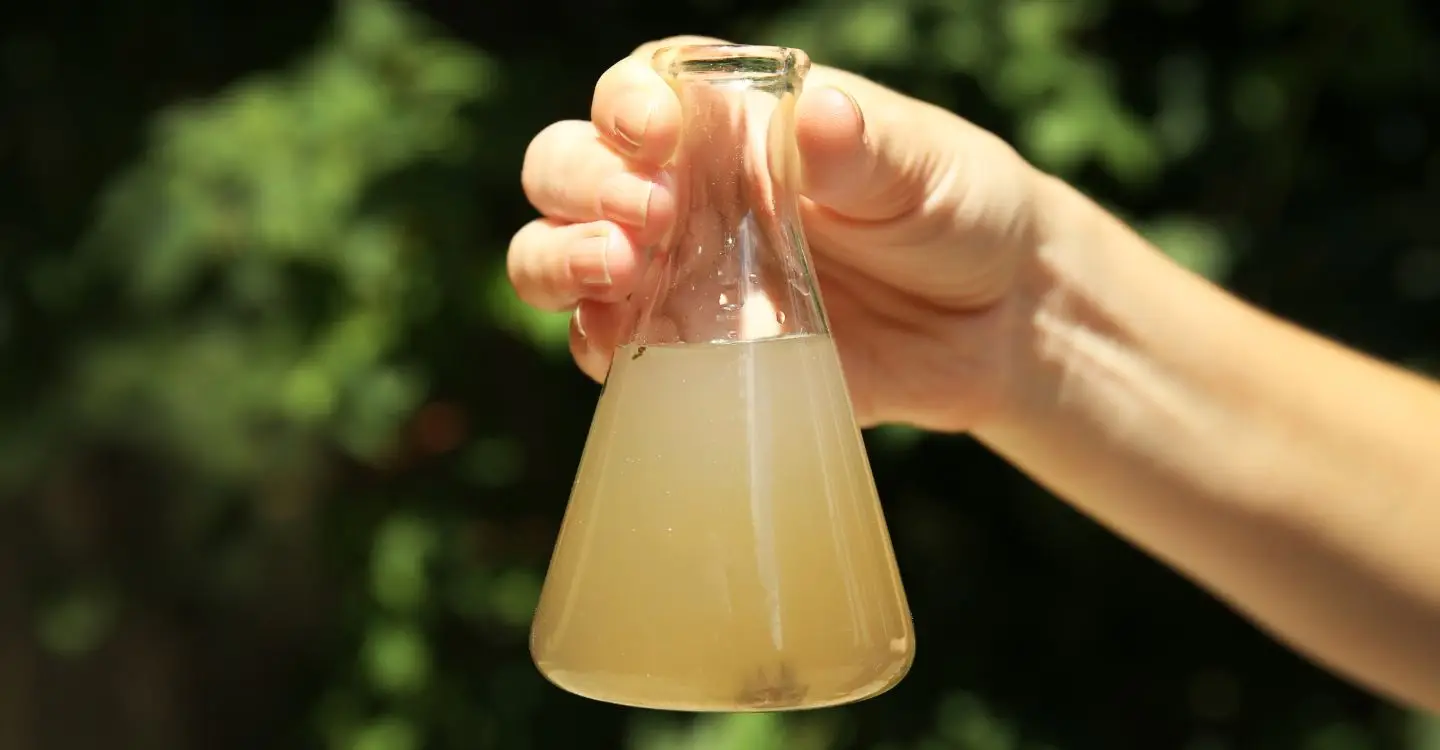
In neighborhoods ranging from Astoria to Jamaica Estates, many Queens homeowners invest heavily in gut renovations, assuming new kitchens, bathrooms, and piping act as a reset button for their home’s water safety. Queens building water testing specialists are proving otherwise, as even fully renovated homes are failing water quality tests in 2026 due to blind spots like untouched municipal service lines, residual solder contamination, and sediment trapped in overlooked pipe sections. Without certified post-renovation testing, homeowners have no way of knowing whether their investment truly delivered the clean, safe water they expected.
The “Last Mile” Outside Your Foundation
The most common reason a renovated home fails a lead test is that the renovation stopped at the foundation wall. While you may have replaced every inch of pipe inside your home, the service line, the pipe that connects your house to the city’s water main under the street, is often left untouched.
In many parts of Queens, particularly in older areas like Woodhaven or Ridgewood, these service lines are made of lead. Even if you have the most advanced internal plumbing, water sitting in that exterior lead pipe overnight will still absorb lead. When you turn on your high-end designer faucet in the morning, the first liter of water you draw has spent hours absorbing contaminants just a few feet outside your basement wall.
According to the NYC Department of Environmental Protection (DEP), property owners are responsible for this line. If your contractor didn’t specifically dig up the exterior line to check its material, your renovation is only half-finished.
The “Disturbance Effect” of New Construction
Paradoxically, the act of renovating can actually make your water quality worse in the short term. This is known as the “disturbance effect.”
When plumbers cut into old pipes or vibration occurs due to heavy construction, it can dislodge years of accumulated mineral scale and “legacy lead” from the city’s water mains or the remaining old sections of your plumbing. This particulate matter can travel through your new system and get trapped in the aerators of your new faucets or the heating elements of your new appliances.
If you haven’t performed a post-construction flush and a lab-certified test, you may be unknowingly consuming high concentrations of lead or copper that were “knocked loose” during the build. This is a topic we frequently cover in our blog for new homeowners.
The Galvanized Pipe “Magnet”
If your renovation was partial, meaning you replaced some pipes but left others, you might be dealing with the “galvanized magnet” problem. Many older Queens homes used galvanized steel pipes. Over decades, these pipes develop a rough, rusted interior.
This rust acts like a sponge for lead. Even if you replace a lead service line, if there are any remaining galvanized pipes inside your walls, they can continue to release “legacy lead” into your water for years. Identifying these hidden materials is a core part of our services for residents in older neighborhoods.
Imported Fixtures and “Lead-Free” Labels
In 2026, the global supply chain for home finishes is more complex than ever. Many Queens homeowners purchase high-end, vintage-style fixtures online from international sellers to achieve a specific aesthetic.
The issue? Not all countries have the same “lead-free” standards as the United States. Even some fixtures labeled as “lead-free” in the U.S. are legally allowed to contain up to 0.25% lead by weighted average on wetted surfaces. While this sounds small, in a home with slightly corrosive water, that lead can leach directly into your drinking and cooking water.
Furthermore, the solder and flux used by some subcontractors during the installation of new copper pipes can sometimes contain lead, especially if the materials were sourced from non-reputable suppliers.
Neighborhood-Specific Water Chemistry
Queens is a massive borough with varying water chemistry depending on which part of the city’s grid you are connected to. Some areas may experience slightly more corrosive water, which reacts differently with new plumbing materials.
For instance, residents in Long Island City might face different particulate issues due to the high density of new construction nearby compared to someone in a quiet corner of Bayside. We keep a close eye on these trends across our various locations to provide context for why a home might be failing despite new pipes.
Why DIY Kits Won’t Give You the Full Picture
Many homeowners try to verify their renovation with a $20 hardware store test kit. These kits are often “pass/fail” with very high thresholds for detection. They might tell you your water is “safe” even if it contains 10 ppb of lead, a level that the EPA warns is significant, especially for households with children.
A professional lab test provides a granular breakdown. It can distinguish between dissolved lead (which suggests leaching from pipes/fixtures) and particulate lead (which suggests sediment being knocked loose). This distinction is vital for determining if you need to call your plumber back or if you need to contact the city.
How to Ensure Your Renovation Truly Provides Clean Water
If you have recently renovated or are planning to, follow these steps to ensure your water quality matches your new home’s aesthetic:
- Verify the Service Line: Don’t just look at the pipes in the kitchen. Look at where the water enters the house. If it’s a soft, dull-grey metal that a magnet won’t stick to, it’s lead.
- Request a “Flush Out”: Ensure your plumber performs a high-velocity flush of the entire system before installing faucet aerators and appliances.
- Test at the “First Draw”: The most accurate test is taken after the water has sat in the pipes for at least six hours. This reveals if your new fixtures or those hidden “last mile” pipes are leaching metals.
- Check the FAQ: If you see white flakes in your new kettle or blue stains in your new tub, check our FAQ for what those specific visual cues mean for your water chemistry.
The Peace of Mind You Deserve
A renovation is an investment in your family’s future and your property’s value. Don’t let that investment be undermined by invisible contaminants. The only way to know for sure that your “new” home has truly “clean” water is through scientific verification.
At the end of the day, a beautiful kitchen is only as good as the water that comes out of the tap. Whether you are in a renovated Tudor in Forest Hills or a modern condo in Astoria, knowing your water quality is the final step in any home improvement project.
If you’ve completed a renovation and want to verify your water is truly safe, visit our contact page to schedule a professional assessment.