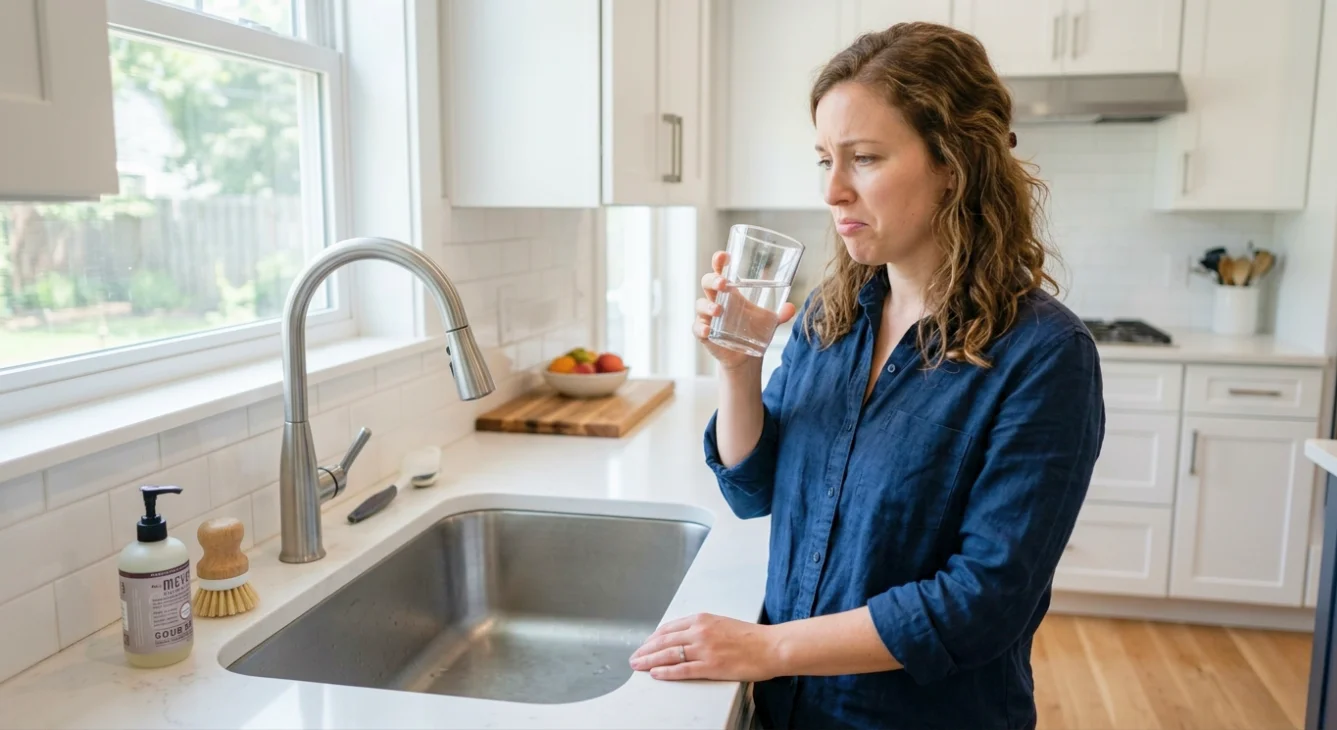
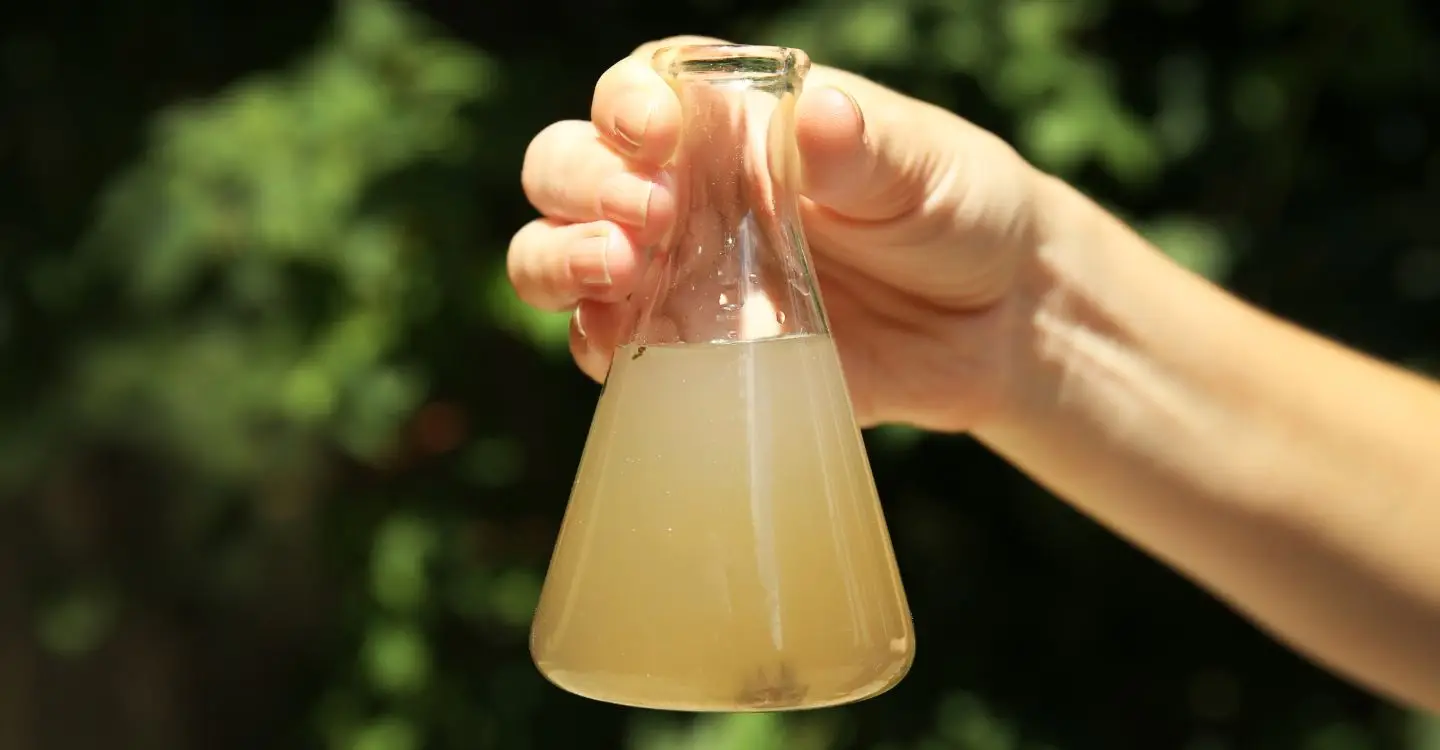
In the diverse landscape of Queens, multi-family homes are the backbone of the community. Queens domestic water testing services help protect the families living in these properties by providing certified analysis that detects lead, bacteria, and other contaminants hidden within the complex, often aging plumbing systems that serve multiple units under one roof. From the sprawling garden apartments of Jackson Heights to the multi-generational “mother-daughter” houses in Ozone Park and the high-density complexes of Flushing, these buildings house the heartbeat of the borough.
For residents of these homes, there is a certain pride in New York City’s water. We are often told that our water is among the cleanest in the world, sourced from protected reservoirs in the Catskills. However, there is a significant difference between the water that leaves a reservoir and the water that travels through the complex, aging plumbing of a Queens multi-family dwelling. In 2026, the truth about tap water in these buildings is more nuanced, and more urgent, than most residents realize.
The “Last Mile” Reality in Multi-Family Housing
The primary challenge for Queens residents isn’t the city’s water supply; it’s the delivery system. While the NYC Department of Environmental Protection (DEP) does an excellent job of monitoring the 1.2 billion gallons of water consumed daily, their responsibility largely ends at the water main under the street.
In a multi-family home, the water must travel from that main, through a service line, into a basement meter, up through vertical “risers,” and finally through branch lines to your specific kitchen or bathroom. In older Queens neighborhoods like Ridgewood or Woodhaven, these internal “last mile” pipes are often over 75 years old. This creates multiple opportunities for “leaching” the process where metals from the pipes dissolve into the water.
Why Multi-Family Buildings Are Higher Risk
Living in a multi-family building presents unique water quality challenges that residents of single-family homes may not face.
1. Stagnation in Shared Risers In large buildings, water often sits stagnant in the pipes during the middle of the day when most residents are at work or school. The longer water sits in contact with lead or copper pipes, the more it absorbs those metals. If you are the first person in your “line” of apartments to turn on the tap after several hours, you may be receiving a concentrated dose of whatever has leached into the water from the building’s vertical plumbing.
2. The Complexity of Service Lines Many Queens multi-family homes, particularly those built before 1961, were originally connected to the street with lead service lines. While the city has aggressive plans for replacement, many of these lines remain. In a multi-family setting, the cost of replacement is higher and requires more coordination, leading to “maintenance fatigue” where critical infrastructure upgrades are delayed. You can see how this affects different neighborhoods by browsing our locations page.
3. Tank-Based Systems Some larger multi-family complexes in Queens use rooftop tanks to maintain water pressure. If these tanks are not cleaned and inspected annually, they can become breeding grounds for sediment and bacteria. While the water entering the building is treated with chlorine, that protection can dissipate if the water sits too long in an unmaintained tank.
The Hidden Culprits: Lead, Copper, and Legionella
In 2026, the focus on water safety in Queens has expanded beyond just “lead and copper.”
- Lead: Even in low doses, lead exposure is linked to cognitive issues in children and cardiovascular problems in adults. In Queens multi-family homes, lead is rarely from the water itself but from the lead solder used to join copper pipes before the 1986 federal ban.
- Copper: While copper is a common plumbing material, high levels (often indicated by blue or green stains in your tub) can cause gastrointestinal distress.
- Legionella: Large buildings with complex hot water systems and cooling towers are susceptible to Legionella bacteria. While the city monitors large-scale systems, the internal piping of a private multi-family home is the responsibility of the owner.
Understanding these risks is the first step toward mitigation. For a deeper dive into the specific contaminants found in NYC plumbing, our blog offers several detailed guides.
The Myth of the “Clean” Filter
Many Queens tenants rely on countertop pitcher filters to keep their families safe. While these can improve the taste by removing chlorine, they are often woefully inadequate for the high-volume needs of a multi-family household.
Standard carbon filters have a limited “loading capacity.” In an older building with high sediment or heavy metal levels, these filters can become saturated long before the “change filter” light turns on. Furthermore, these filters rarely address dissolved lead effectively unless they are specifically certified to NSF/ANSI Standard 53. If you’re wondering what kind of testing you actually need, our services page outlines the different levels of lab-certified analysis available.
2026 Regulations and Your Rights
As of 2026, New York has implemented stricter disclosure laws regarding lead service lines. If you are moving into a multi-family home or looking to purchase one, the owner is increasingly required to provide information on the known materials of the service line.
However, these laws often don’t cover the internal plumbing behind the walls. This is why many residents are taking matters into their own hands. Professional testing provides the data needed to hold management accountable or to choose the correct filtration system. We address many common tenant-landlord water questions in our FAQ section.
How to Protect Your Household
If you live in a multi-family home in Queens, there are immediate, low-cost steps you can take to improve your water quality:
- The 30-Second Flush: Always run your cold water for at least 30 seconds (or until it feels significantly colder) before using it for drinking or cooking. This flushes out the water that has been sitting in your apartment’s branch lines.
- Cold Water Only for Cooking: Never use hot tap water for drinking, cooking, or making baby formula. Hot water leaches lead and other metals much more quickly than cold water.
- Clean Your Aerators: The small screens on the tip of your faucets can trap lead particles and sediment. Unscrew them every few months and rinse them out.
Expert Tip: In Queens, different neighborhoods have different water “profiles.” For example, the infrastructure in Long Island City is facing different stresses than the infrastructure in Bellerose. Knowing your local risks is key.
The Power of Data over Guesswork
The only way to truly know the quality of the water in your specific apartment is through professional testing. Visual inspections and “DIY” kits often miss the dissolved contaminants that pose the greatest long-term health risks.
At Olympian Water Testing, we believe that every Queens resident deserves to know exactly what is in their glass. Whether you are a landlord wanting to ensure your building is safe for tenants or a resident concerned about your children’s health, we provide the laboratory-grade answers you need.
The “truth” about Queens tap water isn’t that it’s inherently dangerous, it’s that it’s highly variable. Your neighbor’s water quality might be perfect, while yours, just one floor up, could be affected by a single old lead-soldered joint.
If you are ready to move beyond the “safe building” assumption and get the facts about your home, visit our contact page to schedule an assessment.