Manhattan building water testing specialists help property owners and managers uncover the hidden plumbing risks that come with owning one of the island’s iconic older buildings. They use certified sampling and accredited lab analysis to detect lead, copper, bacteria, and other contaminants that century-old pipes, solder, and fixtures may be silently releasing into your drinking water. Manhattan is a vertical museum of architectural history. From the red-brick tenements of the Lower East Side to the stately limestone co-ops of the Upper West Side, the island’s skyline is built on layers of time. While these buildings offer a charm and structural permanence that modern glass towers often lack, they carry a hidden burden within their walls: a plumbing infrastructure designed for a different century.
As we navigate 2026, the conversation around urban health has shifted. It is no longer enough to have a beautiful facade or a renovated lobby. Residents are increasingly looking at what they cannot see. In Manhattan’s older building stock, water safety remains a persistent concern, driven by a combination of aging materials, complex distribution systems, and the “last mile” of contamination that city-wide reports often fail to capture.
The Legacy of Lead and Galvanized Steel
The primary reason older Manhattan buildings face water quality challenges is simple history. Before the mid-20th century, lead was the gold standard for plumbing. Its malleability made it ideal for the tight, often eccentric spaces of Manhattan’s early residential builds.
1. Lead Service Lines and Solder While the NYC Department of Environmental Protection has been aggressive in identifying lead service lines, many older buildings still connect to the city’s water mains via “legacy” pipes. Furthermore, even in buildings where the main service line was replaced with copper, the internal “solder” the alloy used to join pipes together, frequently contained high levels of lead until the federal ban in 1986. Over decades, this solder can break down, leaching lead directly into the water supply of individual units.
2. The Problem with Galvanized Pipes Many pre-war buildings utilize galvanized steel pipes. While these were seen as an upgrade from lead in the early 1900s, they have a significant shelf life. As galvanized pipes age, the internal zinc coating wears away, leading to internal rusting and “scaling.” This rough interior surface doesn’t just restrict water flow; it acts as a trap for lead particles that may have traveled from the street, releasing them sporadically into your morning coffee or tea. Identifying these specific pipe materials is a core part of our services for Manhattan residents.
The “Stagnation” Effect in High-Density Living
Manhattan buildings are marvels of hydraulic engineering, but they are also prone to stagnation. In an older apartment building, water travels a long way from the basement meter to the top-floor units.
If an apartment remains empty for several days, common in neighborhoods with high numbers of second homes, the water sits in the pipes. During this time, the concentration of leached metals increases. In 2026, with more people traveling or working in hybrid environments, the “stagnant water” issue has become a leading cause of failed water tests in otherwise well-maintained buildings.
For residents who spend significant time away from their Manhattan residences, we often recommend a specific testing protocol. You can find more information about these localized trends on our locations page, which covers neighborhood-specific risks across the island.
Rooftop Water Tanks: A Manhattan Necessity and Risk
One of the most iconic sights on the Manhattan skyline is the wooden water tank. Because gravity alone cannot push water to the upper floors of buildings taller than six stories, these tanks are essential for maintaining pressure.
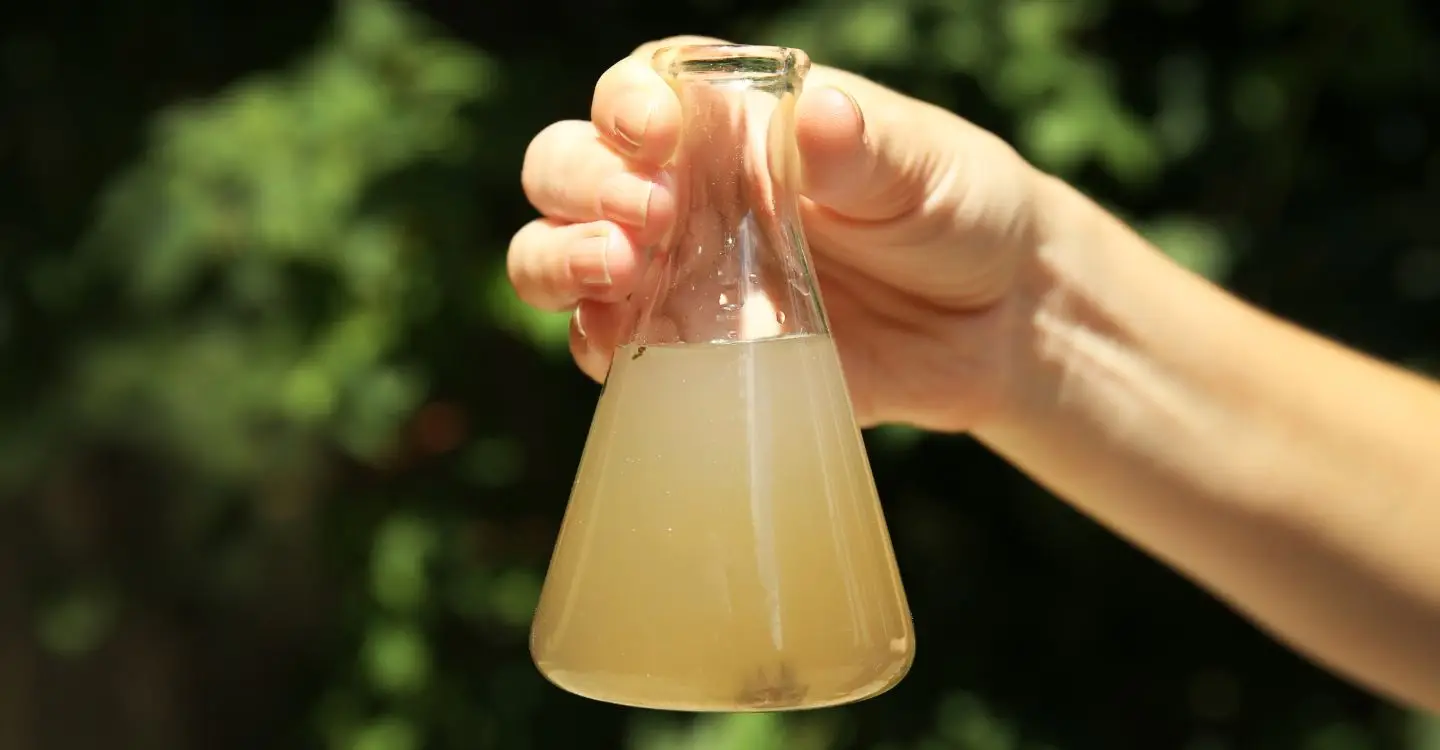
While these tanks are an engineering masterpiece, they require rigorous upkeep. In older buildings, if the tank is not cleaned, inspected, and covered properly, it can become a source of contamination. Sediment can settle at the bottom of the tank and enter the building’s downfeed system. Furthermore, as temperatures rise in the summer months, these tanks can become susceptible to bacterial growth if the building’s disinfectant levels are not properly monitored.
Local Knowledge: NYC law requires these tanks to be inspected annually, but many residents remain unaware of the results. If you notice a change in the color or smell of your water, it may be time to consult ourFAQfor the next steps in professional verification.
The 2026 Shift: PFAS and Micro-Contaminants
While lead and copper have been the historical focus, 2026 has brought a new wave of concern regarding “forever chemicals” (PFAS) and microplastics. Older buildings often lack the advanced filtration systems required to screen for these microscopic pollutants at the point of entry.
Recent studies, including those highlighted by the Environmental Protection Agency (EPA), suggest that older urban distribution systems may have higher concentrations of these particulates due to the breakdown of ancient gaskets and sealants within the plumbing network. This is why a “clear” look at the water isn’t enough; only laboratory-grade analysis can reveal the chemical reality of your tap water.
Why Renovations Aren’t Always the Answer
A common misconception among Manhattan condo and co-op owners is that a “gut renovation” of their individual unit solves the problem. While new PEX or copper piping inside your apartment is a great start, you are still at the mercy of the building’s main risers.
If the vertical pipes that bring water up from the basement are corroded or made of lead, your brand-new designer kitchen will still be receiving contaminated water. This “building-wide vs. unit-specific” conflict is a recurring theme on our blog, where we share stories of homeowners who were shocked to find contaminants in their newly renovated spaces.
How to Ensure Safety in an Older Building
If you reside in a building constructed before 1980, you should take a proactive stance on water quality. Manhattan’s infrastructure is reliable, but it is not invincible.
- Run the Cold Water: Always “flush” your tap for at least 30 seconds if the water has been sitting for more than six hours.
- Know Your Pipes: If you have access to your basement or the area around your water meter, check the color of the pipes. Dull grey pipes that are soft to the touch are a major red flag for lead.
- Professional Lab Testing: DIY home kits are often unable to detect low-level chronic lead exposure or complex chemical contaminants. A lab-certified test is the only way to get a definitive “clean bill of health.”
Protecting Your Health and Your Investment
Living in an older Manhattan building is a privilege that comes with the responsibility of stewardship. Just as you would monitor the masonry or the elevator’s safety, you must monitor the water that your family consumes every day.
In a borough where the cost of living is high and the pace of life is fast, don’t let a preventable environmental issue affect your long-term health. The infrastructure may be old, but your approach to safety should be modern and data-driven.
If you are concerned about the age of your building’s plumbing and want to verify the safety of your tap water, visit our contact page to schedule a professional water quality assessment today.