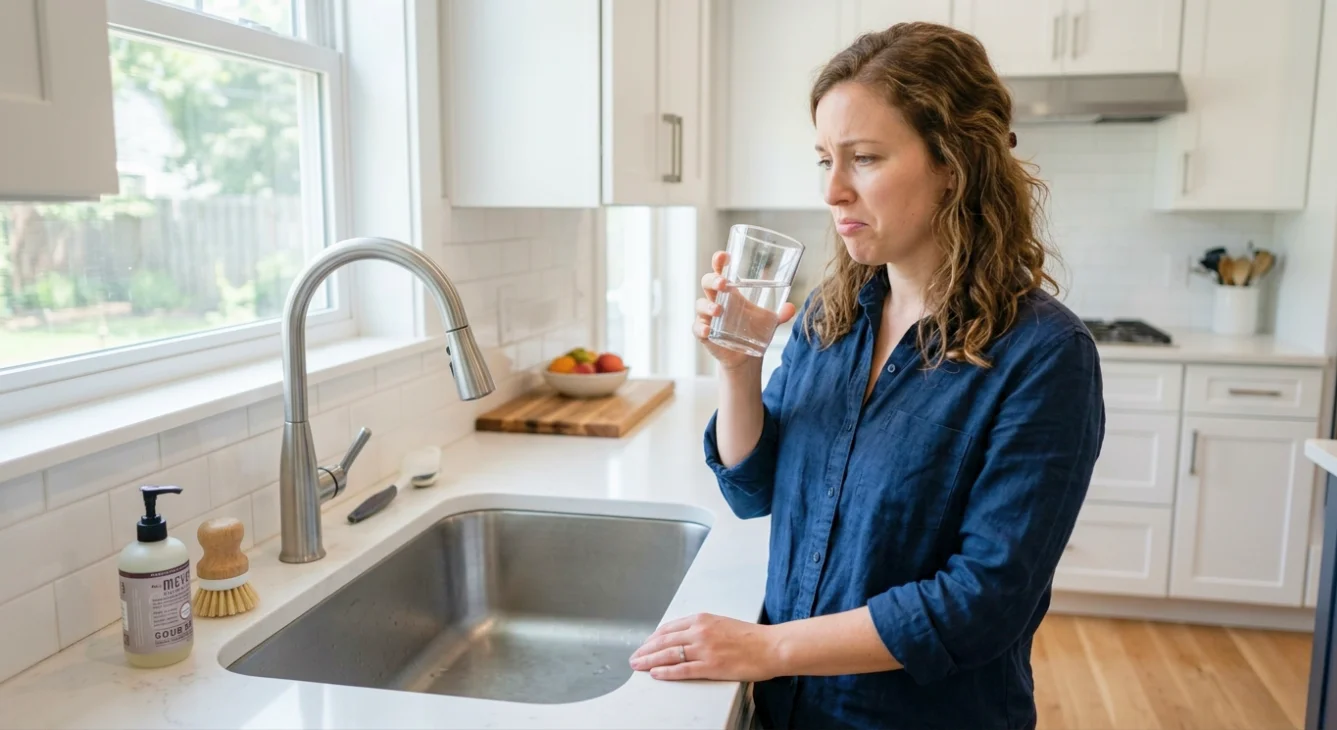
For the Miller family, living in a pre-war classic six on the Upper West Side was the fulfillment of a decade-long dream. The apartment boasted original herringbone floors, soaring ceilings, and a view of Riverside Park that made even the harshest New York winters feel like a postcard. Tap water quality testing in Manhattan would have revealed what their senses and store-bought filters could not, that aging pre-war plumbing can silently leach lead and other heavy metals into drinking water long before any visible signs appear. Like most Manhattanites, they took pride in the city’s reputation for having the “champagne of tap water.” They utilized a high-end refrigerator filter and carried reusable silicone bottles everywhere, confident that they were avoiding the pitfalls of aging urban infrastructure.
However, by the spring of 2026, a series of unexplained health nuances began to emerge. It started with their youngest son’s persistent skin irritation and culminated in a metallic tang in their morning coffee that no amount of expensive beans could mask. The surprising reason they eventually abandoned their tap for bottled water, and what they found when they finally tested their pipes, serves as a wake-up call for anyone living in a high-density Manhattan building.
The Assumption of Purity
The Millers weren’t reckless. They knew that Manhattan’s water travels through miles of ancient tunnels, but they trusted the building’s management. Their co-op board had recently invested in a lobby renovation and a new boiler system. The assumption was that if the building looked prestigious, the water must be pristine.
“We thought the filter on our fridge was the ultimate shield,” Mrs. Miller recalled. “We saw the little green light and figured we were safe from everything.”
What they didn’t realize is that most point-of-use filters are designed primarily for aesthetics, removing the taste of chlorine, not for the remediation of heavy metals or complex particulates that accumulate in the vertical risers of a fifteen-story building. This false sense of security is common, as we often discuss in our blog posts regarding urban water myths.
The Catalyst: The “Morning Tint”
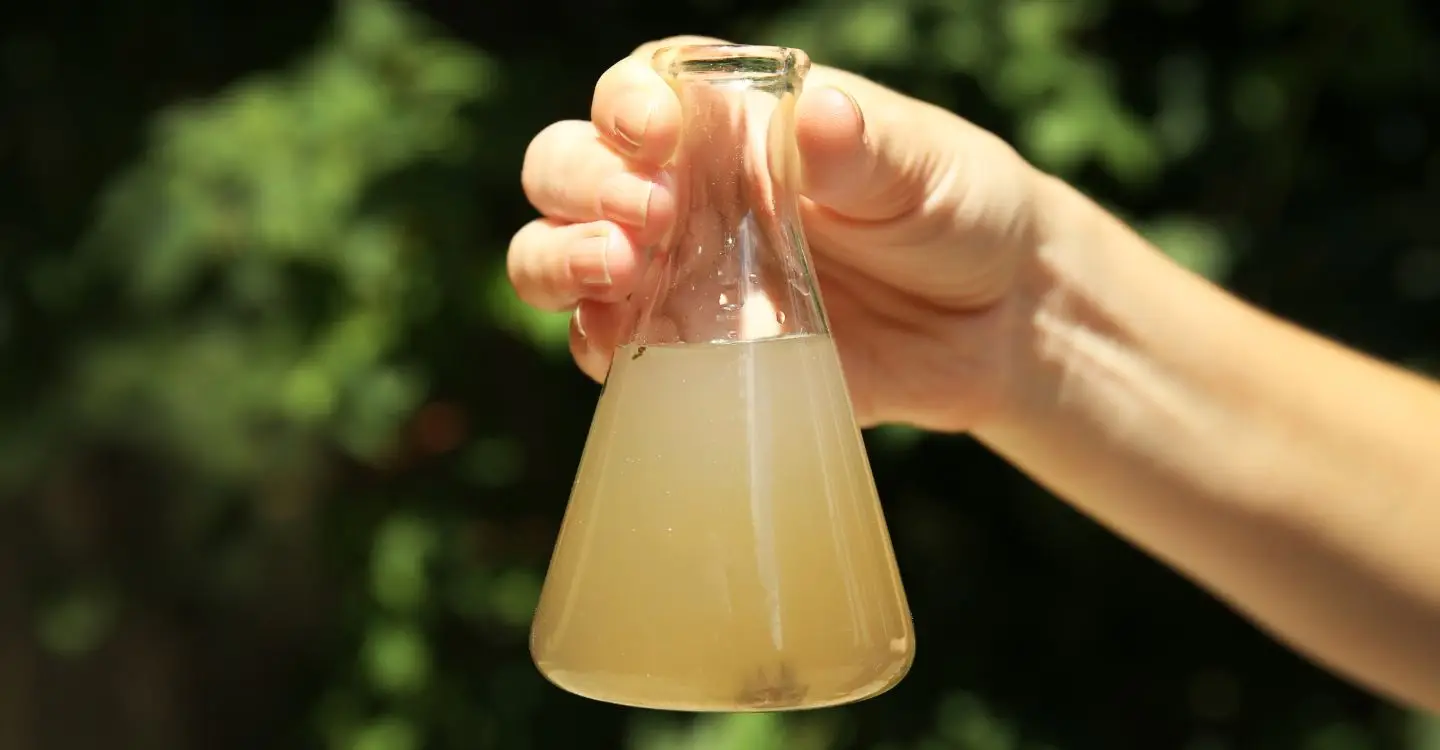
The turning point came during a week of local street construction on Broadway. After the city performed routine maintenance on a nearby water main, the Millers noticed a faint, brownish tint in their bathtub water. It disappeared after a few minutes of flushing, but the metallic taste lingered.
When the tint didn’t fully resolve, they began to dig deeper. They learned that the “champagne” water leaving the upstate reservoirs is indeed high quality, but the journey through Manhattan’s “last mile” is where the chemistry changes. According to the NYC Department of Environmental Protection (DEP), the city monitors water at the street level, but they are not responsible for the pipes behind your apartment walls.
The Shocking Test Results
Before making a permanent change, the Millers decided to invest in professional services to see exactly what was in their glass. They bypassed the hardware store “DIY” kits, which often lack the sensitivity to detect low-level chronic toxins, and opted for a laboratory-grade analysis.
The results were staggering:
- Lead Spikes: Their lead levels were triple the EPA’s action level during the “first draw” (the water that sits in pipes overnight).
- Copper Leaching: Their high-end copper branch lines, installed during a 1990s renovation, were leaching metal because the building’s water pH was slightly imbalanced.
- Micro-Sediment: The test found high levels of “legacy scale” fragments of rusted iron and galvanized zinc that had been knocked loose by the nearby street construction.
Even more surprising was the presence of particulates that their refrigerator filter was never rated to catch. For a family with young children, the decision was instantaneous. They switched to bottled water for drinking and cooking that very afternoon.
Why Bottled Water Became the “Bridge” Solution
While the Millers are environmentally conscious and loathe the waste of plastic, they realized that bottled water was their only immediate way to guarantee safety while they negotiated with their co-op board.
In many Manhattan neighborhoods, from the Financial District to Harlem, residents are finding that their internal plumbing is a “black box.” Until a building-wide assessment is performed, or until they can install an NSF-certified Reverse Osmosis system, bottled water serves as a necessary, albeit frustrating, bridge. This trend is something we see across our various locations as more families prioritize health over convenience.
The Hidden Cost of Manhattan Infrastructure
The Millers’ story highlights a growing reality in 2026: the cost of living in Manhattan now includes the cost of verifying your basic utilities. The Environmental Protection Agency (EPA) notes that lead exposure in adults can lead to increased blood pressure and kidney issues, but for children, the risks to brain development are irreversible.
“It felt like a betrayal,” Mr. Miller said. “You pay these high maintenance fees and you assume the water is a given. Realizing that the infrastructure is failing right under our noses was the real shock.”
Many residents have similar questions about how often they should check their taps, especially in buildings constructed before 1980. We’ve compiled many of these concerns in our FAQ section to help neighbors navigate these conversations with their landlords or boards.
Moving Beyond the Bottle
The Millers didn’t want to rely on bottled water forever. After presenting their lab results to the co-op board, they were able to trigger a building-wide inspection of the rooftop water tank and the main risers.
The investigation found that the building’s sediment filtration system in the basement had been bypassed during a repair three years prior and never turned back on. Additionally, several lead-soldered joints in the basement were identified for immediate replacement.
This proactive approach is the only way to move from a temporary fix (bottled water) to a permanent solution (clean infrastructure). As the Millers found, the “surprising reason” wasn’t just the lead,it was the realization that in an old city, you have to be your own advocate for safety.
Steps Every Manhattan Family Should Take
If you live in an older Manhattan building and are concerned about your water, you don’t necessarily have to switch to bottled water immediately, but you should seek data:
- Flush the System: If you’ve been away from the apartment for more than six hours, run the cold water for 2-3 minutes.
- Clean Aerators: Unscrew the small screens on your faucets; you might be shocked by the sediment trapped there.
- Get a Lab Test: Professional testing is the only way to know if your “champagne” water has turned into a chemical cocktail.
The Final Word
The Millers have since returned to using tap water, but only after installing a multi-stage filtration system that was specifically calibrated to address the lead and copper found in their initial test. They no longer rely on the “green light” of a generic filter.
In a city as complex as New York, the truth about your water is often hidden behind the walls. Don’t wait for a metallic taste or a brownish tint to take action. Understanding your environment is the first step toward protecting your family’s future.
If you are concerned about your building’s plumbing and want to avoid the “surprising” discoveries the Millers faced, reach out via our contact page to schedule a professional water quality audit today.