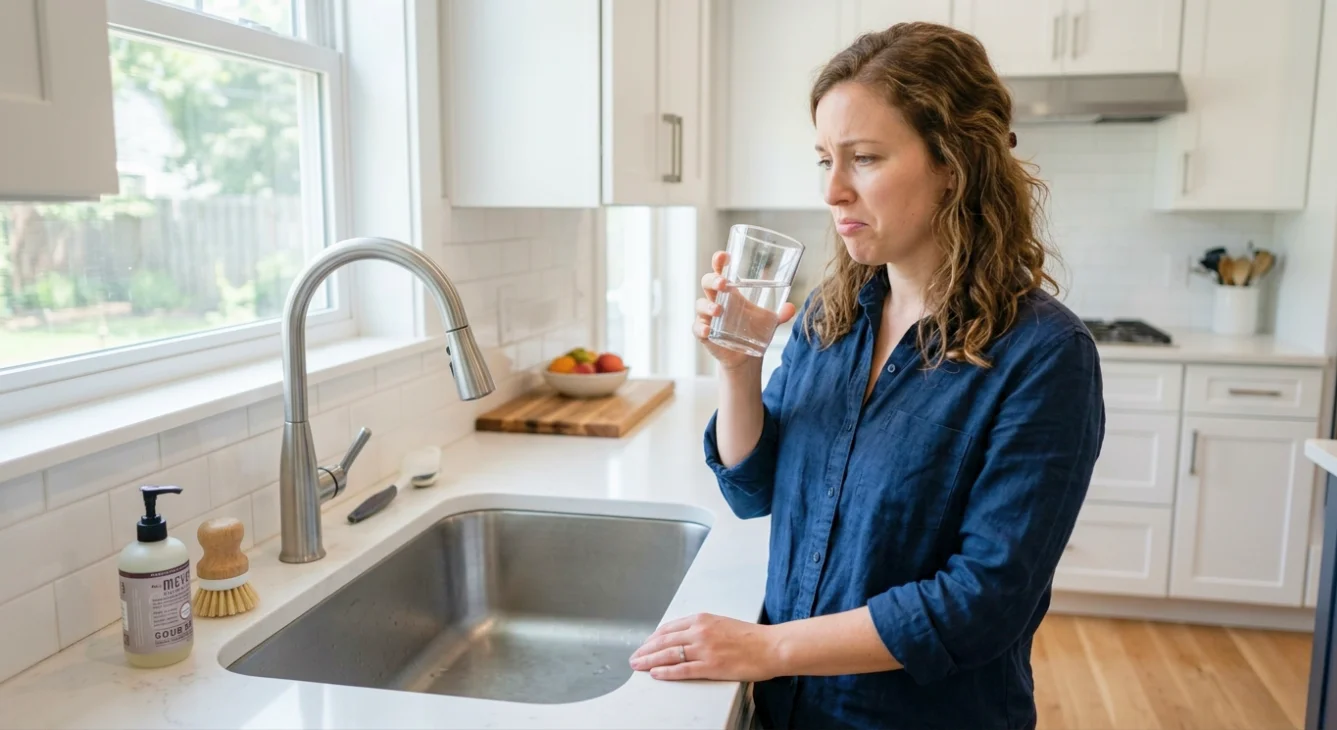
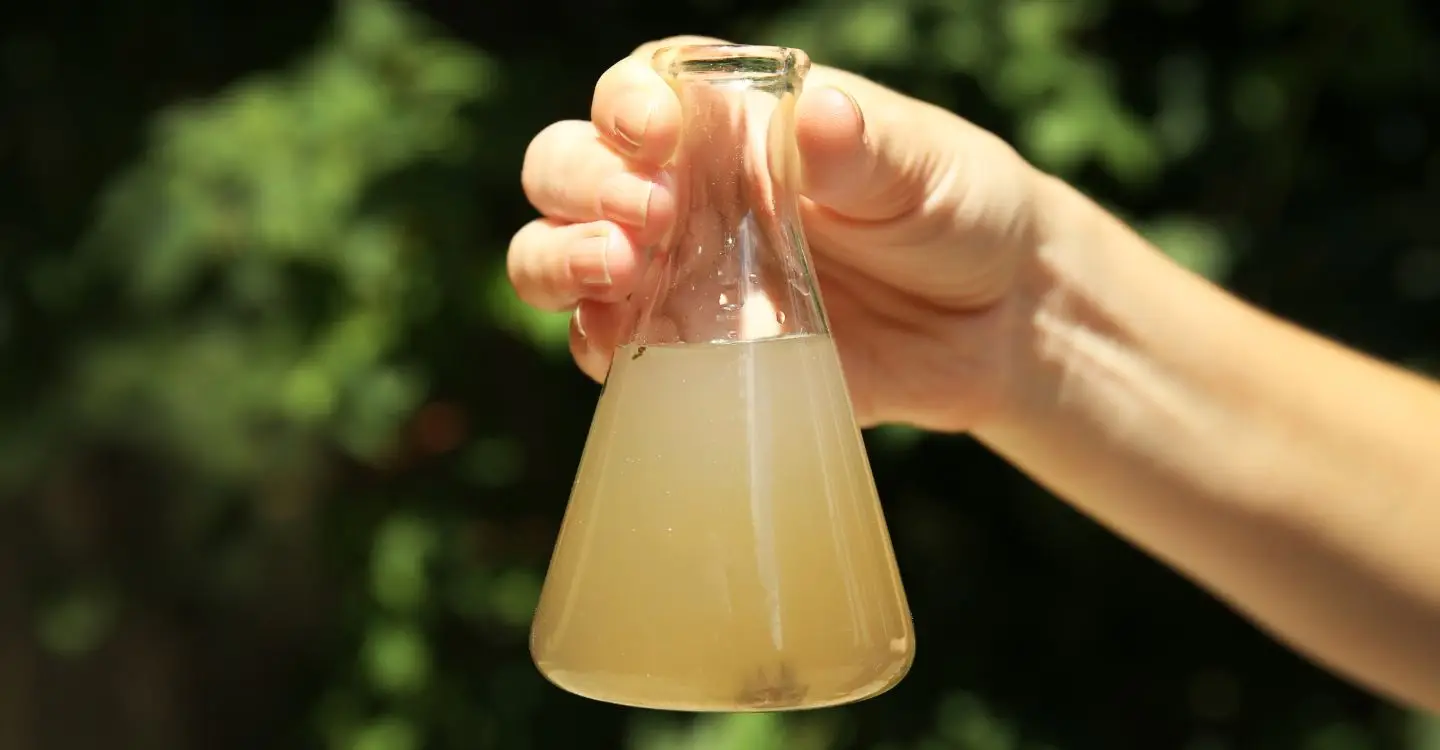
For many Bronx families, this past weekend wasn’t just about the February chill or local community events. Bronx tap water testing services help residents in exactly these moments, providing certified lab analysis that quickly determines whether discolored water is a temporary nuisance or a sign of serious contamination lurking in aging pipes. In neighborhoods spanning from Mott Haven up to Community Board 12, residents turned on their taps only to find a startling sight: water ranging in color from a pale straw yellow to a deep, rusty brown.
The cause of this discoloration is no mystery to long-time New Yorkers. Extensive weekend construction and water main repairs, coupled with the city’s ongoing efforts to modernize aging infrastructure, have a way of stirring up more than just dust. While the NYC Department of Environmental Protection (DEP) often issues notices about planned work, the resulting “brown water” can be a stressful surprise for families trying to cook Sunday dinner or give their children a bath.
The Cause: Why Construction Turns Tap Water Brown
Discolored water in the Bronx is almost always a result of a disturbance in the water main system. The pipes under our streets are decades old, and over time, minerals like iron and manganese naturally settle at the bottom of these lines.
1. Water Main Pressure Shifts When crews perform a water main break repair, as recently seen in the Morrisania area, they must shut off valves and reroute the flow. This change in pressure acts like a “scour,” lifting the settled sediment and carrying it through the service lines and into residential plumbing.
2. Fire Hydrant Use Construction often requires the use of fire hydrants for dust control or system flushing. The high-velocity draw of water from a hydrant is one of the quickest ways to stir up sediment in a localized area. In 2026, as the city intensifies its services for infrastructure renewal, these “disturbances” are becoming a regular part of life for Bronx residents.
The “Safe But Not Ideal” Dilemma
The official word from city agencies is usually that discolored water is “not a health concern” and is primarily an aesthetic issue. However, “safe to drink” and “healthy to consume” are two different standards for many families.
- Taste and Odor: Discolored water often carries a metallic taste and a faint chlorine odor from the pipe-cleaning process used during repairs.
- Staining: One of the most common complaints after a weekend of construction is ruined laundry. Iron-rich water can permanently tint white garments and linens.
- Sediment Buildup: The particles that cause the brown color are physical solids. They can clog faucet aerators, reduce water pressure, and even damage the internal components of appliances like dishwashers and high-end espresso machines.
For those living in older multi-family buildings, these issues are amplified by the building’s own internal plumbing. We often cover these specific “old building” challenges on our blog.
2026 Infrastructure Projects in the Bronx
As of February 2026, the Bronx is at the center of several major water initiatives. The city has recently expanded its free lead service line replacement program, targeting Community Board 12 and surrounding areas. This is part of a larger $72 million federal push to remove lead and galvanized steel pipes from private properties.
While these projects are a massive win for long-term health, the construction phase itself is a primary driver of the current water quality reports. If your street is part of a current replacement project, you can expect sporadic discoloration for several weeks. Residents in these high-activity zones can find more neighborhood-specific information on our locations page.
How to Properly Flush Your Bronx Home
If you encounter discolored water after a weekend of construction, the NYC DEP recommends a specific flushing protocol. Simply running the tap for a few seconds is rarely enough to clear the heavy sediment.
Step 1: Use the Cold Water Tap Never use your hot water tap to clear discolored water. Doing so will pull the sediment into your hot water tank, where it can settle and cause long-term heating efficiency issues.
Step 2: Start at the Lowest Point Go to the lowest level of your home (the basement or a first-floor utility sink) and run the cold water at full velocity. This helps pull the sediment out of the main line without spreading it to every faucet in the house.
Step 3: Remove Your Aerators Unscrew the small screens (aerators) from your faucets. These are magnets for construction debris. If you leave them on while flushing, they will clog, and your water pressure will drop. If you have questions about how to clean specific fixtures, check our FAQ for maintenance tips.
Beyond the Color: When to Seek Professional Testing
While most discoloration clears within 15 to 30 minutes of intensive flushing, persistent issues are a cause for concern. Discolored water can sometimes mask more serious problems, such as lead leaching from old service lines that were disturbed by the construction vibrations.
In 2026, Bronx families are increasingly moving away from “waiting it out” and moving toward scientific verification. If the water in your building remains cloudy or metallic-tasting after a major street project, it is essential to determine if the issue is just harmless iron or something more dangerous like lead particulates.
Taking Action for Your Neighborhood
If your block is experiencing widespread water issues after a construction project, the first step is to report it.
- Call 311: Reporting discolored water helps city engineers pinpoint where the system needs additional hydrant flushing.
- Notify Management: If you live in a multi-family building, your building’s storage tank or booster pumps may need attention after a major main disturbance.
The Bronx is a borough that knows how to advocate for its families. By understanding the link between street construction and tap water quality, you can ensure that your home remains a safe haven, regardless of what’s happening under the pavement.
If you’ve flushed your pipes and are still concerned about the safety of your water, visit our contact page to schedule a professional lab-certified water test.