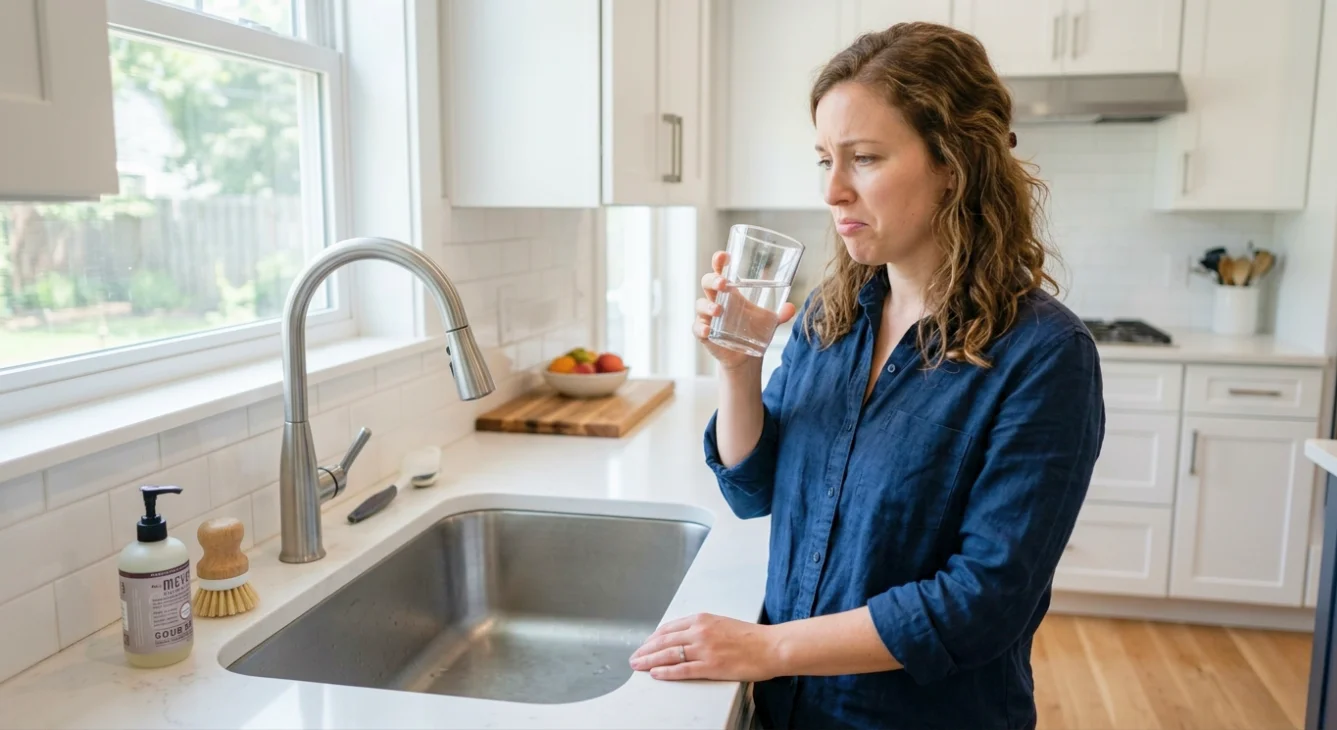
Water testing for apartment buildings in the Bronx is essential for protecting the health of tenants living in the borough’s iconic but aging residential properties. It helps renters and landlords identify dangerous contaminants like lead, bacteria, and copper that decades-old plumbing may be silently releasing into the drinking water supply. The Bronx is a borough of resilient communities and historic architecture, from the Art Deco masterpieces along the Grand Concourse to the sturdy multi-family homes in Belmont and Pelham Bay. For renters, these buildings offer a sense of character and space that is increasingly rare in New York City. However, beneath the surface of many Bronx rentals lies a hidden health concern: aging plumbing that hasn’t been updated in decades.
In 2026, as the city intensifies its efforts to replace lead service lines, many tenants are discovering that their “safe” tap water isn’t quite what it seems. Because of the era in which much of the Bronx was built, rental units are statistically at a higher risk for lead, copper, and even bacterial contamination. Understanding these risks is the first step toward ensuring your family’s health isn’t compromised by your apartment’s “legacy” pipes.
The “Last Mile” Problem in Bronx Multi-Family Buildings
New York City’s water is often praised for its quality when it leaves the upstate reservoirs. However, for a Bronx renter, the city’s water quality report only tells half the story. The water must travel through a complex network of street mains, building service lines, and internal risers before it reaches your kitchen faucet.
1. Lead Service Line Clusters The service line is the pipe connecting the building to the city’s water main. In the Bronx, particularly in neighborhoods like Mott Haven and Williamsbridge, many of these lines are made of lead or galvanized steel. While the NYC Department of Environmental Protection (DEP) has launched a massive $72 million expansion of its free lead pipe replacement program in 2026, the program requires landlord consent and coordination. If your landlord hasn’t signed up, that lead pipe remains the primary conduit for your drinking water.
2. Internal Lead Solder Even if the main service line is copper, many Bronx buildings constructed between 1930 and 1986 utilized lead solder to join internal pipes together. Over time, as water sits in these pipes, especially during the day when most tenants are at work, it can leach lead directly from these joints. This is a common issue we address through our services for local residents.
Beyond Lead: The 2026 Legionella Risk
In early 2026, a new wave of concern has hit high-density apartment complexes in the Bronx and Manhattan. Recent reports have highlighted clusters of Legionella, the bacteria responsible for Legionnaires’ Disease, growing in the hot water systems of older, large-scale residential buildings.
Unlike lead, which is ingested, Legionella is typically inhaled through water droplets during a shower. In buildings with poor circulation or storage tanks that aren’t kept at the correct temperature (at least 120°F as required by NYC HPD), this bacteria can thrive in the “biofilm” that coats old pipe walls. If you’ve noticed a decrease in your hot water temperature or a strange odor in the bathroom, it could be more than just a maintenance nuisance; it could be a water safety issue.
Why Renters Face Unique Challenges
In a rental environment, the “black box” of plumbing is often inaccessible to the tenant. Landlords are legally required to provide a safe and habitable environment, but water quality is often a “grey area” unless a tenant provides proof of contamination.
- Maintenance Delays: In some Bronx rentals, water quality issues are masked by low water pressure or occasional discoloration. These are often signs of internal pipe corrosion (scaling) that landlords may be slow to address.
- Storage Tank Neglect: Many older Bronx buildings use rooftop or basement storage tanks. If these aren’t cleaned and inspected annually, they can accumulate sediment and even bird or pest contaminants.
- The “First Draw” Danger: Renters who are the first to wake up in their “line” of apartments often receive the highest concentration of leached metals that have accumulated in the building’s vertical plumbing overnight.
Checking our locations page can help you see if your specific Bronx community board has been flagged for higher-than-average infrastructure concerns this year.
2026 Water Initiatives in the Bronx
As of February 2026, the Bronx is at the forefront of several major environmental justice initiatives.
- Community Board 12 Expansion: The DEP’s lead service line replacement program has specifically targeted Community Board 12 (encompassing neighborhoods like Baychester and Wakefield) as a priority zone.
- Legislative Pressure: New York State is currently debating the Lead Pipe Replacement Act, which would mandate the replacement of all lead service lines by 2037, regardless of property type.
While these macro-level changes are promising, they don’t solve the immediate problem in your kitchen today. This is why many Bronx tenants are moving away from “wait and see” and toward independent verification.
Signs Your Rental May Have a Water Issue
You don’t always need a lab to tell you something is wrong, though it’s the only way to be certain. Look for these red flags:
- Blue/Green Stains: This usually indicates copper leaching from your building’s pipes.
- Metallic Taste: A sharp, penny-like taste often suggests high levels of iron or lead.
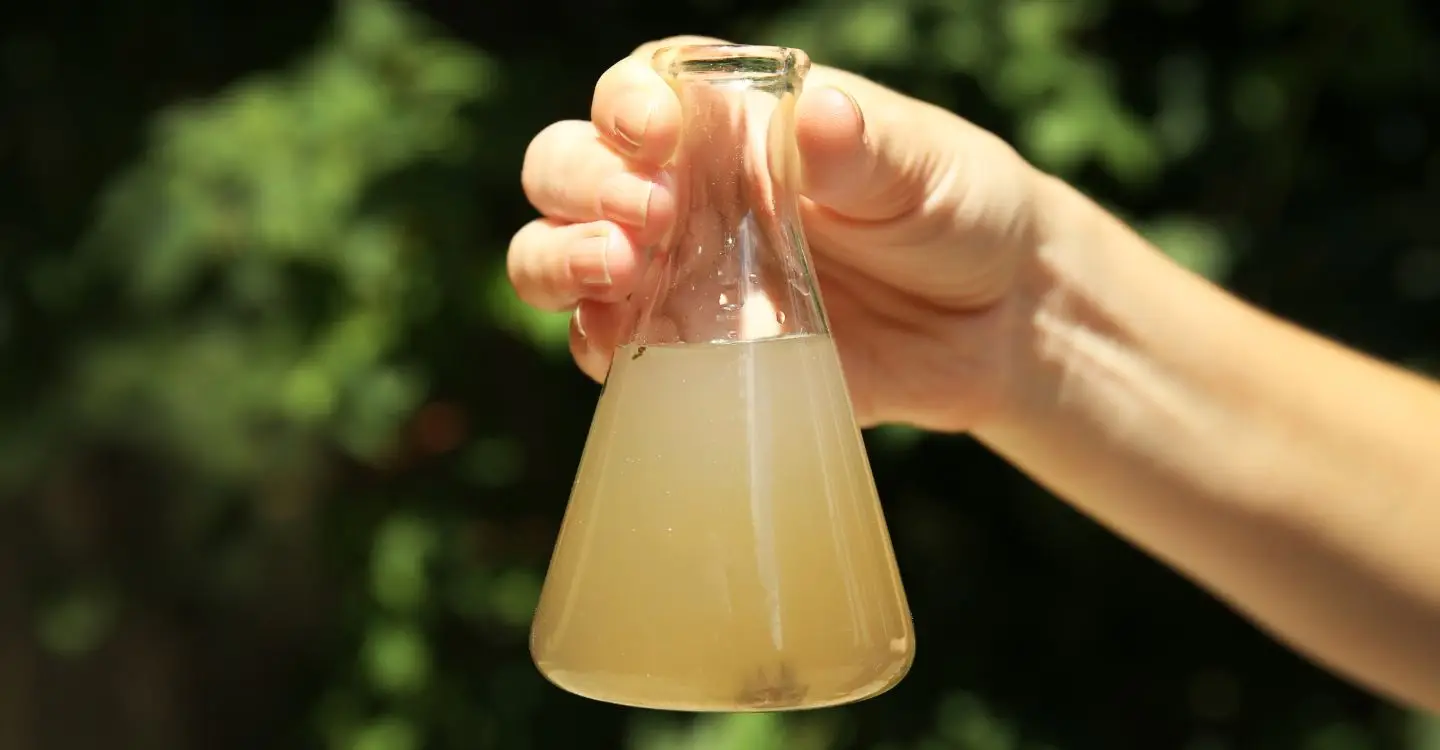
- Rust-Colored Water: Especially after local construction, this indicates that sediment in the mains or your building’s pipes has been disturbed.
- Chronic Dry Skin: While often blamed on the weather, “hard” water or high chlorine levels in Bronx buildings can strip the skin of its natural oils.
If you are experiencing these issues, we cover many of the “next steps” for tenants in our blog.
How to Protect Your Family as a Tenant
As a renter, you have rights, but you also need actionable data.
Step 1: Perform a Flush Always run the cold water for at least 30 seconds to 2 minutes (until it feels noticeably colder) before using it for drinking or cooking. This is the simplest way to reduce lead exposure from your building’s internal plumbing.
Step 2: Clean the Aerators Unscrew the small screens on the tips of your faucets. You might be surprised to find bits of rust or even lead solder trapped there. Rinse them out every few months.
Step 3: Professional Testing If you have children or are pregnant, relying on a “visual check” is not enough. Most dangerous contaminants, like lead and PFAS, have no taste or smell. A professional lab test provides the evidence you need to request repairs from your landlord or the city. You can find answers to many common testing questions on our FAQ page.
The Power of Information
Living in a Bronx rental shouldn’t mean compromising on the most basic of needs: clean water. While the city works to overhaul the aging mains beneath our streets, the responsibility for the water inside your apartment often falls into a gap between landlord maintenance and tenant awareness.
By testing your water and understanding the materials in your building, you take control of your environment. You transition from a “tenant with a concern” to a “resident with data.”
If you’re concerned that your building’s plumbing is affecting your health or your family’s safety, visit our contact page to schedule a professional residential water quality assessment.