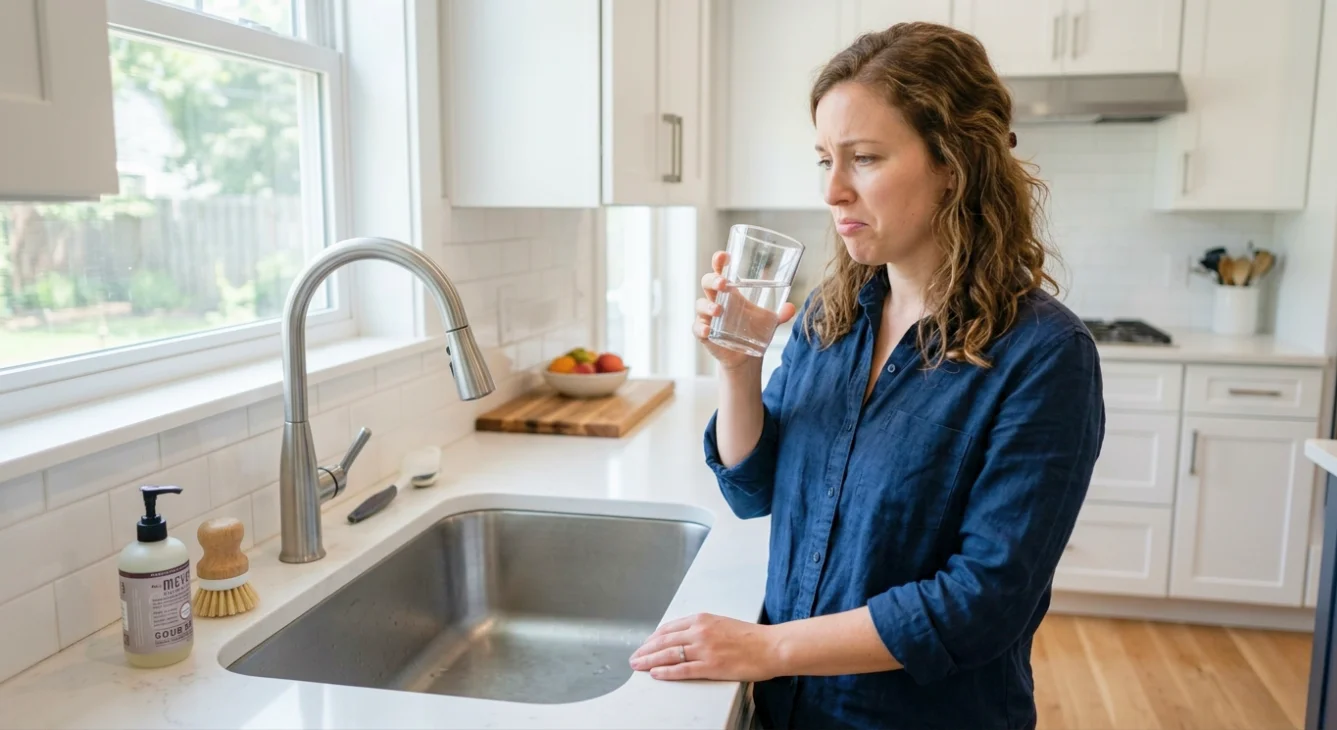
Staten Island is often referred to as the “Borough of Parks,” a place where the suburban dream remains alive within the boundaries of New York City. From the historic Victorians of St. George to the mid-century ranches of Great Kills and the modern builds in Tottenville, homeowners here take immense pride in maintaining their properties. NYC lead water testing specialists are at the center of a significant trend emerging across the island in 2026, as more and more homeowners who have recently completed major plumbing renovations are discovering that new pipes alone don’t guarantee lead-free water. This surge in professional testing reflects a growing awareness that municipal service lines, residual solder, and untouched sections of older plumbing can still introduce lead long after a renovation is complete.
At first glance, this seems counterintuitive. If you’ve just invested thousands of dollars to replace old pipes with modern copper or PEX, shouldn’t your water be safer than ever? The reality, as many Staten Island residents are discovering, is that new plumbing can sometimes trigger unexpected “spikes” in lead levels, or simply fail to address the “last mile” of contamination hidden beneath the curb.
The “Disturbance Effect”: Why New Pipes Can Lead to New Problems
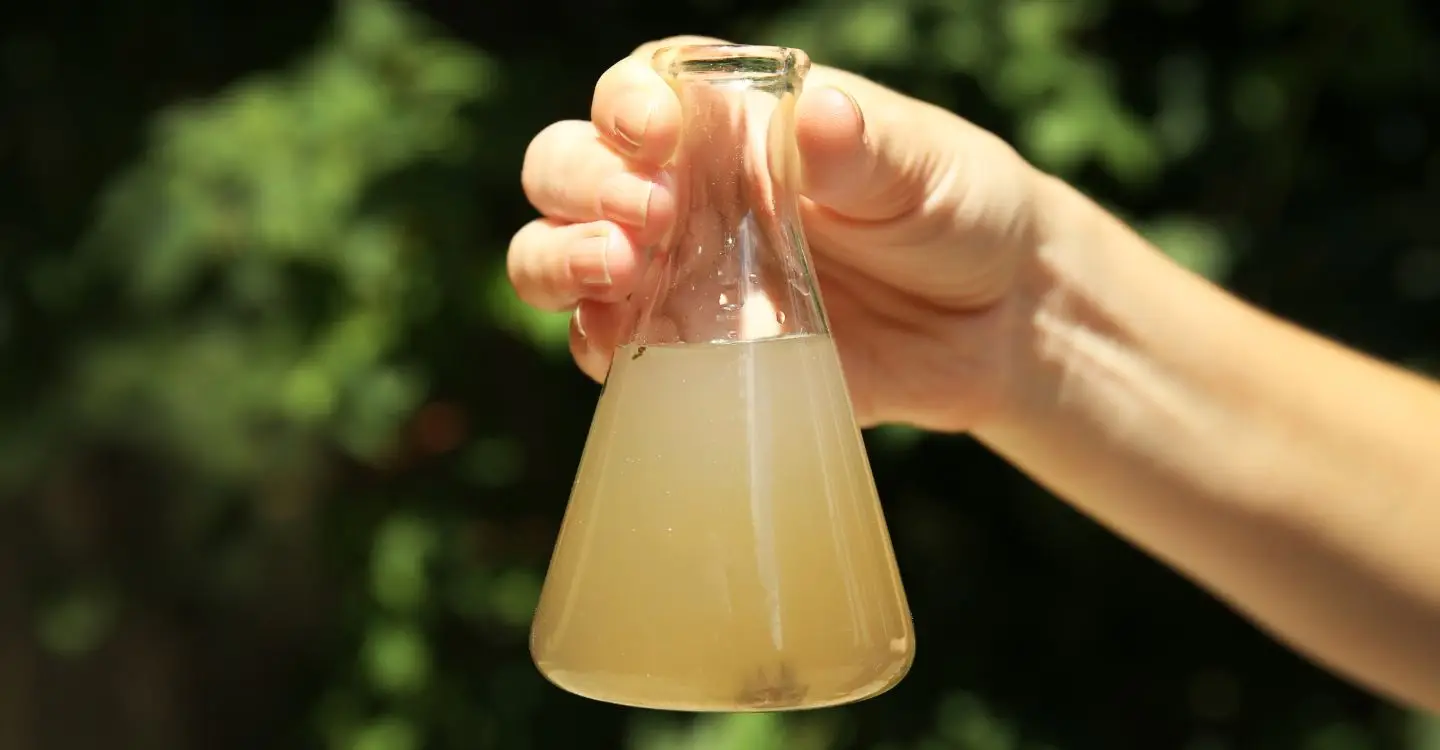
The most common reason for a failed lead test post-renovation is a phenomenon known as the “disturbance effect.” When a plumber cuts into old pipes or replaces sections of a home’s internal network, the resulting vibrations and changes in water pressure can dislodge “legacy lead” and mineral scale that has been stable for decades.
In many older Staten Island homes, the original plumbing used lead solder or galvanized steel pipes. Over time, these pipes develop a protective coating of mineral scale. When this scale is “shaken” by construction, microscopic lead particles are released into the water stream. This isn’t just a temporary cloudiness; these particles can become trapped in the aerators of your brand-new, expensive faucets, leaching lead into every glass of water you pour. This is why we recommend specific post-renovation services to ensure the “flush” was successful.
The “Lead-Free” Myth of 2026
Even if your renovation included 100% brand-new fixtures, you aren’t necessarily in the clear. As of May 2026, new regulations have significantly tightened the definition of “lead-free” for plumbing products. However, for years, “lead-free” brass fixtures were legally allowed to contain up to 8% lead (and more recently 0.25%).
For many homeowners in neighborhoods like Westerleigh or West Brighton, the desire for high-end, vintage-style brass fixtures often leads to the installation of hardware that, while beautiful, can still contribute trace amounts of lead to the water. Testing is the only way to verify that your “modern” upgrades meet the health standards your family deserves. We often address these specific fixture-related concerns in our FAQ section.
The Service Line: The Part Your Plumber Might Have Missed
A frequent oversight during a “full house repipe” is the service line, the pipe that connects your home to the city’s water main under the street. Many Staten Island homeowners replace every inch of pipe inside their basement walls but leave the exterior service line untouched because of the cost and complexity of excavation.
If your home was built before 1961, there is a high probability that this exterior line is made of lead. According to the NYC Department of Environmental Protection (DEP), the responsibility for this line falls on the property owner.
In 2026, the city has expanded its Lead Service Line Replacement program, but it is currently targeted at specific geographic and environmental justice areas. If you aren’t in a “target zone,” that 20-foot stretch of lead pipe outside your front door could be undoing all the good of your internal plumbing updates. You can check our locations page to see if your neighborhood is currently seeing a spike in localized infrastructure projects.
Galvanized Pipes: The “Lead Magnets”
If your Staten Island renovation was partial, perhaps you only updated the kitchen and a master bath, you likely still have sections of galvanized steel piping in your walls. Galvanized pipes are notorious for acting as “magnets” for lead.
Over decades, as lead-contaminated water from the street main passed through your home, the lead particles “stuck” to the rusted interior of the galvanized pipes. Even if the city replaces the street main, and even if you replace your service line, those remaining galvanized sections will continue to “seed” lead back into your water. This is a common topic on our blog, where we discuss the dangers of partial plumbing replacements.
Why Staten Island Families Are Choosing Lab Tests Over DIY Kits
In 2026, the “hardware store” lead test is increasingly seen as inadequate. These DIY kits are often “pass/fail” with high detection thresholds. They might tell you your water is “safe” even if it contains 5 or 10 parts per billion (ppb) of lead.
The Environmental Protection Agency (EPA) and the World Health Organization maintain that there is no safe level of lead exposure, particularly for children. Professional laboratory testing provides a granular look at your water chemistry, identifying not just the presence of lead, but the concentration, allowing you to make informed decisions about filtration or further plumbing work.
Steps for Staten Island Homeowners After a Renovation
If you have recently updated your plumbing or are planning to, follow these best practices to ensure your water quality:
- Request a High-Velocity Flush: Ensure your plumber flushes the entire system at high pressure before installing faucet aerators or connecting high-end appliances like refrigerators and dishwashers.
- Inspect the Entry Point: Look at the pipe where it enters your foundation. If it’s a dull grey, soft metal, it’s lead.
- Perform a “First Draw” Test: The most important test is the one taken after the water has sat in the pipes for at least 6-8 hours (usually first thing in the morning). This is when lead concentrations are highest.
- Check the Aerators: Every few months, unscrew your faucet tips. If you see grey or black “sand,” those are likely lead or iron particulates that have been dislodged from your pipes.
Protecting Your “Borough of Parks” Lifestyle
Staten Island offers a quality of life that is unique in New York City. Protecting that lifestyle means ensuring that the most basic necessity, your drinking water, is as pure as the environment you’ve worked so hard to build. Whether you’re in a historic house in Richmondtown or a new build in Rossville, the age of the city’s infrastructure means you must be your own advocate.
Don’t assume that “new” means “safe.” Verification is the final step of any successful home improvement project.
If you’ve recently completed a plumbing update and want the peace of mind that comes with lab-certified results, visit our contact page to schedule your residential water test today.