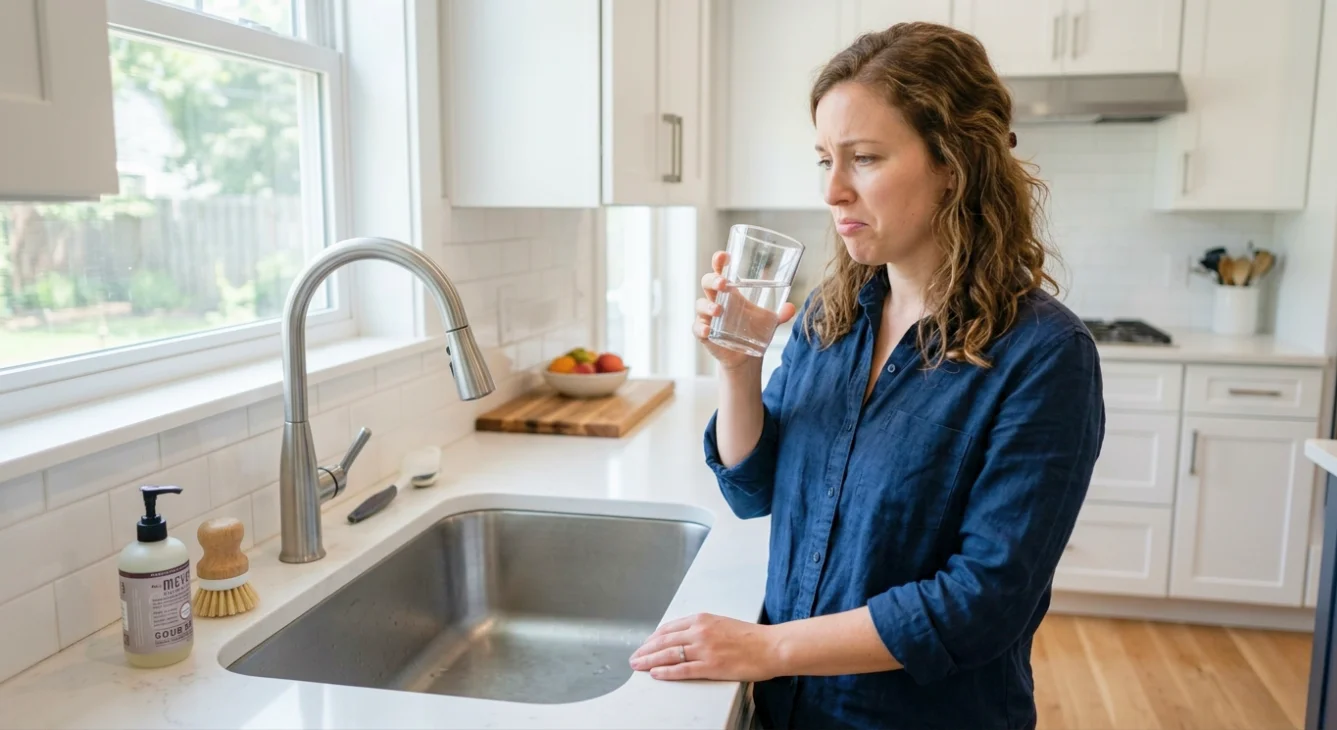
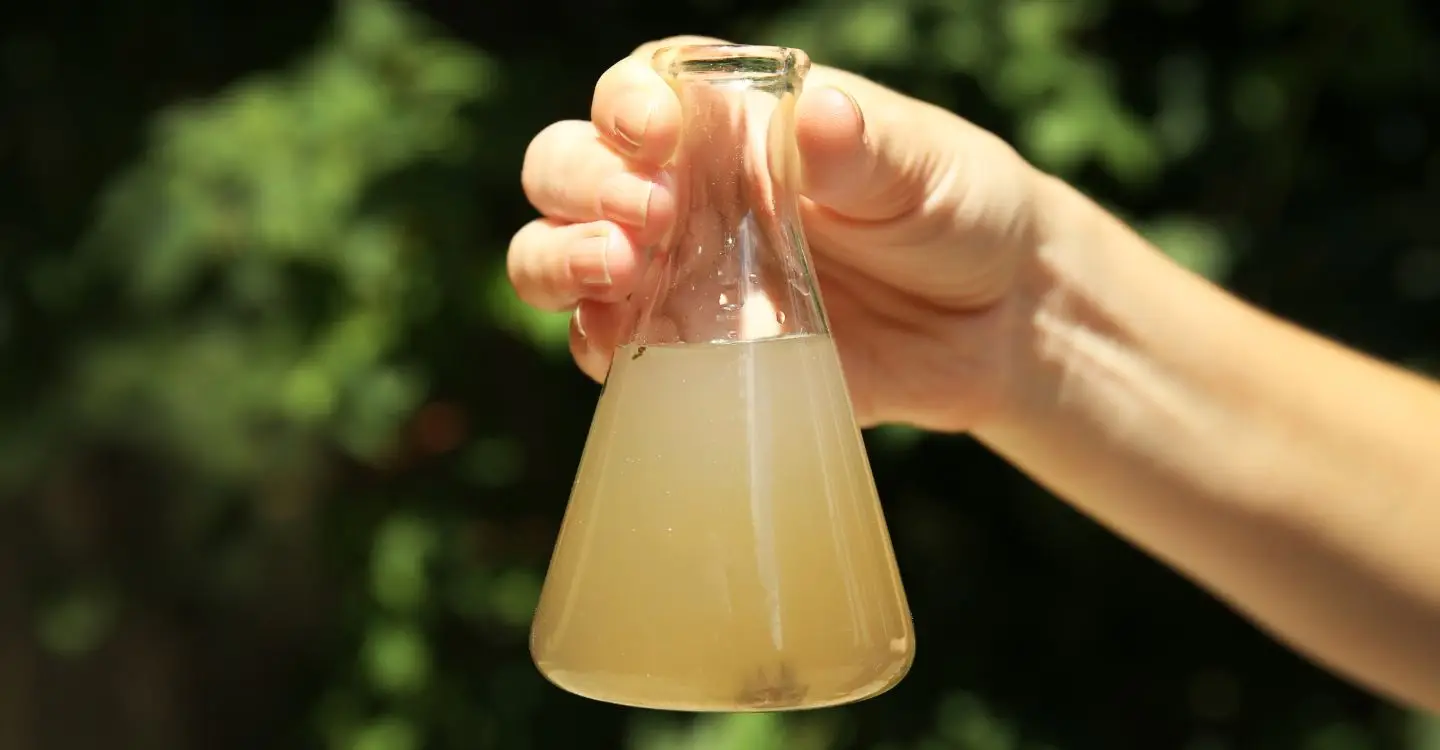
Staten Island is often defined by its sprawling residential landscapes, neighborhoods like Great Kills, Westerleigh, and Tottenville where the basement is more than just storage. On-site drinking water testing in NYC brings certified professionals directly to these homes, allowing them to collect samples from every tap that families rely on, including frequently overlooked basement fixtures that serve as laundry rooms, secondary kitchenettes, and children’s play areas. In many Staten Island homes, the basement tap is used for everything from filling a child’s sippy cup to brewing a morning coffee, making it just as critical to test as the kitchen faucet upstairs.
However, in our recent 2026 water quality assessments across the borough, the basement tap has revealed some of the most consistent and surprising contamination profiles. While the water entering a Staten Island home from the city main is generally high quality, the “basement draw” often tells a story of localized infrastructure failure that homeowners are completely unaware of.
If you haven’t tested your basement water recently, the data we’ve uncovered might change how you view your home’s plumbing.
The “First-Stop” Contamination Site
The basement is the literal gateway for water entering your property. It is here that the city’s water main connects to your private service line and passes through your water meter. Because the basement is the closest point to the street connection, it acts as a “canary in the coal mine” for the rest of the house.
In our recent services provided to North Shore homeowners, we discovered that basement taps often show higher concentrations of heavy metals than the kitchen taps on the second floor. Why? Because the basement is where the water has the most direct contact with the service line, the pipe that connects your home to the street main. If that line is made of lead or galvanized steel, the basement tap receives the “first draw” of concentrated leached materials after the water has sat stagnant overnight.
The “Galvanized Trap”: Beyond Lead Pipes
One of the most surprising findings in 2026 isn’t just lead; it’s the role of old galvanized steel pipes. Many Staten Island homes built between the 1920s and the 1960s still have original galvanized piping in the basement utility areas.
As these pipes age, they corrode from the inside out, creating a rough, rusted interior surface. This rust acts like a magnet, trapping lead particles that may have flaked off from an upstream lead service line. Even if a homeowner replaces the lead service line, these old galvanized pipes in the basement can continue to “seed” lead and iron into the water for decades. This “legacy lead” is a frequent topic on our blog, as it explains why “modernized” homes still fail water tests.
Stagnation: The Silent Killer of Water Quality
Basement taps are often used less frequently than the primary kitchen sink. In many Staten Island households, the basement bathroom or utility sink might go days without being turned on. This is where the chemistry turns dangerous.
When water sits in pipes, it becomes a solvent. In 2026, we’ve found that even in relatively new construction in areas like Rossville, stagnant water in basement lines can show elevated levels of:
- Copper: Leached from the solder and the pipes themselves, causing a metallic taste and potential digestive issues.
- Biofilm: A slimy layer of bacteria that thrives in low-flow areas.
- Legionella: While more common in large buildings, complex residential plumbing with “dead legs” (pipes that lead to nowhere or are rarely used) can harbor these bacteria.
For homeowners in high-risk zones, visiting our locations page can provide insight into neighborhood-specific trends we are seeing this year.
The 2026 “Mystery Odor” in South Shore Basements
In early 2026, we received a spike in calls from the South Shore regarding an unusual “earthy” or “musty” smell coming specifically from basement taps. While many residents feared a sewage leak, our lab results pointed to a different culprit: Geosmin.
Geosmin is a naturally occurring compound produced by soil bacteria and algae. Because basement pipes are often located in cooler, damper environments near the foundation, any microscopic leaks or “sweating” pipes can create an environment where these odors permeate the water line. While non-toxic, it is a significant aesthetic issue that can indicate a lack of proper insulation or a slow-motion failure of the building’s backflow preventer.
Note: If you are experiencing strange odors, checking ourFAQcan help you perform a “glass test” to determine if the smell is in the water or simply the drain.
What the City Reports Don’t See
The NYC Department of Environmental Protection (DEP) performs thousands of tests a year, but they are focused on the municipal system. Their reports do not account for the vertical risers, the sediment in your basement’s hot water tank, or the lead solder used by a previous owner’s DIY plumbing repair.
In Staten Island, where many homes have been passed down through generations, the plumbing is often a patchwork of materials. We have found “lead-free” brass fixtures in basements that were legally allowed to contain up to 8% lead at the time of their installation. For a family using that basement as a primary living space, this represents a significant chronic exposure risk.
Why a Professional Lab Test is Non-Negotiable
A common trend we see is homeowners using $20 “home test kits” from big-box retailers. Unfortunately, these kits are often unable to detect lead at the levels that the EPA considers dangerous for children. Furthermore, they cannot distinguish between dissolved lead (leaching from pipes) and particulate lead (physical bits of lead flaking off).
Professional lab testing provides a roadmap for remediation. If we find particulate lead in your basement tap, the solution might be as simple as cleaning your aerators. If we find dissolved lead, you may need to look at your service line or install a point-of-entry filtration system.
Steps for Staten Island Homeowners
If your basement tap is used for drinking or cooking, take these three steps today:
- Perform a 2-Minute Flush: If the tap hasn’t been used in 6 hours, run the cold water until it feels noticeably colder. This ensures you are getting “fresh” water from the street main, not water that has been sitting in your basement pipes.
- Inspect the Entry Pipe: Go to your water meter. If the pipe entering the house is a dull grey, soft metal that a magnet won’t stick to, it’s lead.
- Get a “First Draw” Sample: This is the most important test for a basement. It captures the highest possible concentration of contaminants.
Protecting Your Home from the Bottom Up
The basement is the foundation of your home’s health. By ensuring the water entering your property is clean and the pipes distributing it are safe, you protect every other tap in the house. The “surprises” we find in Staten Island basements are almost always preventable once they are identified.
Don’t let the “champagne of tap water” turn into a chemical cocktail as it passes through your basement walls. Verification is the only path to true peace of mind.
If you are concerned about what might be hiding in your basement plumbing, visit our contact page to schedule a professional water quality assessment.