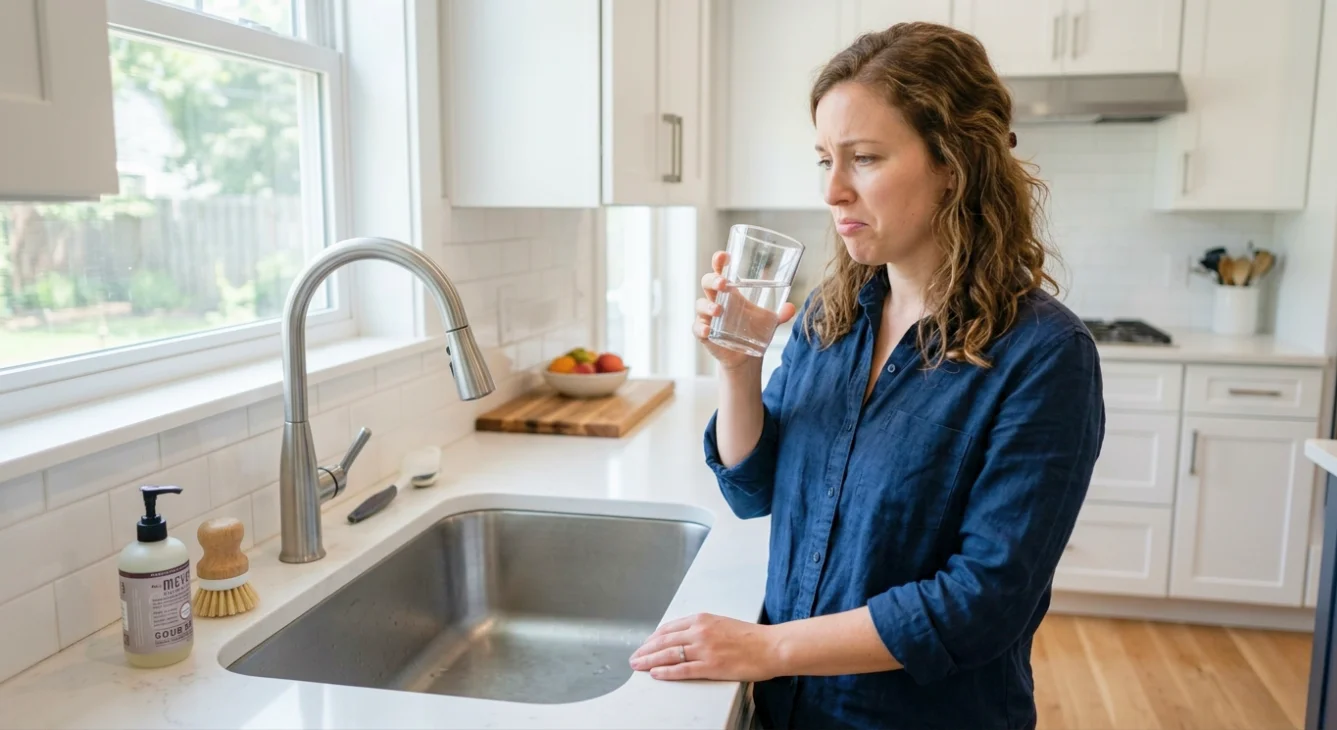
Jersey City Homeowners Are Testing Tap Water After Skin Irritation Complaints
Jersey City is a city of rapid transformation. From the gleaming glass towers of the Waterfront and Exchange Place to the historic brownstones of Van Vorst Park and the bustling multi-family homes in the Heights, the “Sixth Borough” is a microcosm of urban evolution. However, in early 2026, a growing number of residents are reporting a frustrating side effect of city living: persistent skin irritation.
What begins as a “tight” feeling after a morning shower often evolves into chronic dryness, redness, or unexplained flares of eczema and acne. For many Jersey City homeowners and renters, the search for a solution has moved past the skincare aisle and into the kitchen sink. Homeowners are increasingly turning to professional water testing to determine if the very water they use to clean themselves is actually compromising their skin’s health.
The “Hard Water” Shift in Jersey City
While the Jersey City Municipal Utilities Authority (JCMUA) works diligently to provide water that meets all federal safety standards, the composition of that water can change significantly as it moves through the city’s aging infrastructure.
Jersey City primarily sources its water from the Boonton Reservoir. While this water is naturally relatively soft, the journey through miles of century-old cast iron and lead-soldered pipes can introduce minerals and particulates. In 2026, as the city continues its massive services for infrastructure upgrades, localized “spikes” in mineral content, often referred to as temporary hardness, are becoming more common. These minerals, primarily calcium and magnesium, react with soaps to form a “scum” that clogs pores and strips the skin of its natural moisture.
Why Your Shower is Affecting Your Skin
The skin is our body’s primary defense, protected by a delicate layer called the acid mantle. This barrier is incredibly sensitive to the pH and chemical makeup of the water it touches. Jersey City residents are identifying several key water quality issues that directly correlate with skin irritation:
1. Chlorine and Chloramines To keep water safe from bacteria as it travels through a dense urban grid, disinfectants are a necessity. However, chlorine is a powerful oxidant. For those with sensitive skin, daily exposure to chlorinated water in a hot, steamy shower can lead to “irritant contact dermatitis.” This manifests as itchy, red patches and a feeling of extreme dehydration.
2. Heavy Metal Leaching In older Jersey City neighborhoods like Journal Square and Greenville, many homes still utilize lead service lines or internal copper plumbing joined with lead solder. While the ingestion of lead is a well-known neurotoxic risk, topical exposure to heavy metals can induce oxidative stress on the skin. This can exacerbate chronic conditions like rosacea and psoriasis. If you live in these high-risk areas, checking our locations page can help you see if your neighborhood is part of the current 2026 lead pipe replacement initiatives.
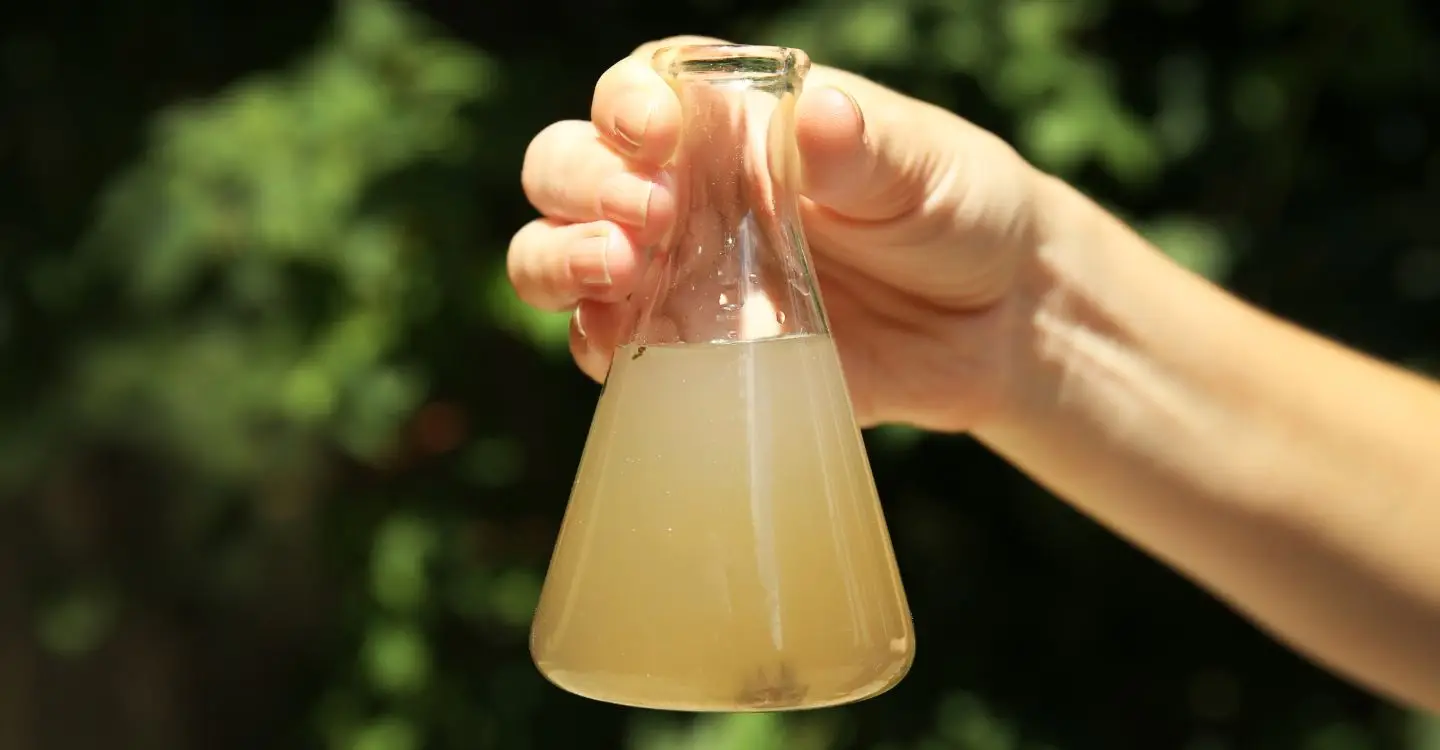
3. Sediment and “Old Pipe” Resue Construction in Jersey City is constant. When water mains are repaired or new developments are connected to the grid, it can “knock loose” decades of sediment and rust. These microscopic particulates act like sandpaper on the skin, causing micro-tears and allowing bacteria to enter, which often results in sudden breakouts or “city acne.”
The 2026 Reality: Why Now?
As we move through 2026, environmental factors are putting more pressure on Jersey City’s water system. Recent updates to the EPA Lead and Copper Rule have forced many New Jersey municipalities to be more transparent about their water quality.
Furthermore, climate-related shifts in reservoir levels have led to fluctuations in the amount of treatment chemicals required. For the average resident, these subtle changes in water chemistry are often first felt on the skin before they are ever tasted in a glass of water. This is a recurring theme on our blog, where we explore the link between urban infrastructure and personal wellness.
Identifying the Signs: Is It Your Water?
If you are experiencing skin issues, look for these “water-related” red flags in your Jersey City home:
- The “Soap Test”: If your soap or shampoo struggles to create a rich lather, your water likely has a high mineral content that is leaving a film on your skin.
- White Scaling: Look at your showerhead or faucets. White, crusty buildup is a sign of mineral deposits that are also clogging your pores.
- The “First Draw” Itch: If your skin feels particularly irritated after the first shower of the day (when the water has sat in the pipes overnight), it suggests leaching from your building’s plumbing.
For residents who are unsure whether their building’s plumbing is to blame, we address many common “signs of trouble” in our FAQ section.
How Jersey City Homeowners Are Responding
The “skin-first” approach to water testing is a relatively new phenomenon in Hudson County. Rather than waiting for a city-wide advisory, homeowners are taking a proactive stance.
Professional Lab Testing vs. DIY Kits Many residents initially try $20 hardware store kits, but these often fail to detect low-level heavy metals or specific chemical concentrations that cause skin disruption. Professional laboratory testing provides a granular breakdown of chlorine levels, heavy metals, and mineral hardness, allowing homeowners to choose the correct filtration system, rather than just guessing.
Remediation Strategies Once the specific irritants are identified, Jersey City families are implementing several solutions:
- Vitamin C Shower Filters: These are highly effective at neutralizing chlorine specifically for bathing.
- Whole-Home Softeners: In areas with high mineral content, these prevent the “soap scum” effect.
- Point-of-Entry Carbon Filtration: This removes the bulk of disinfectants and particulates before they ever reach your bathroom.
Protecting Your Family’s Largest Organ
The skin is often the first indicator that something is “off” in our environment. In a city as vibrant and complex as Jersey City, we often accept a certain level of urban stress, but our water shouldn’t be a source of discomfort. Whether you’re in a new luxury rental in Hamilton Park or a multi-generational home in Bergen-Lafayette, you deserve water that supports your health, not water that irritates it.
If you have spent hundreds on dermatologists and creams only to have your skin issues return, the answer may be flowing through your pipes. Verification is the first step toward relief.
If you’re concerned that the water in your Jersey City home is affecting your skin or hair, visit our contact page to schedule a professional residential water quality assessment.