Jersey City is in the midst of a historic transformation. The skyline, once defined by industrial piers, is now dominated by high-rise luxury condos and modern residential complexes. From the Waterfront to Journal Square, these buildings are marketed as the pinnacle of urban living, complete with state-of-the-art amenities and, theoretically, pristine infrastructure.
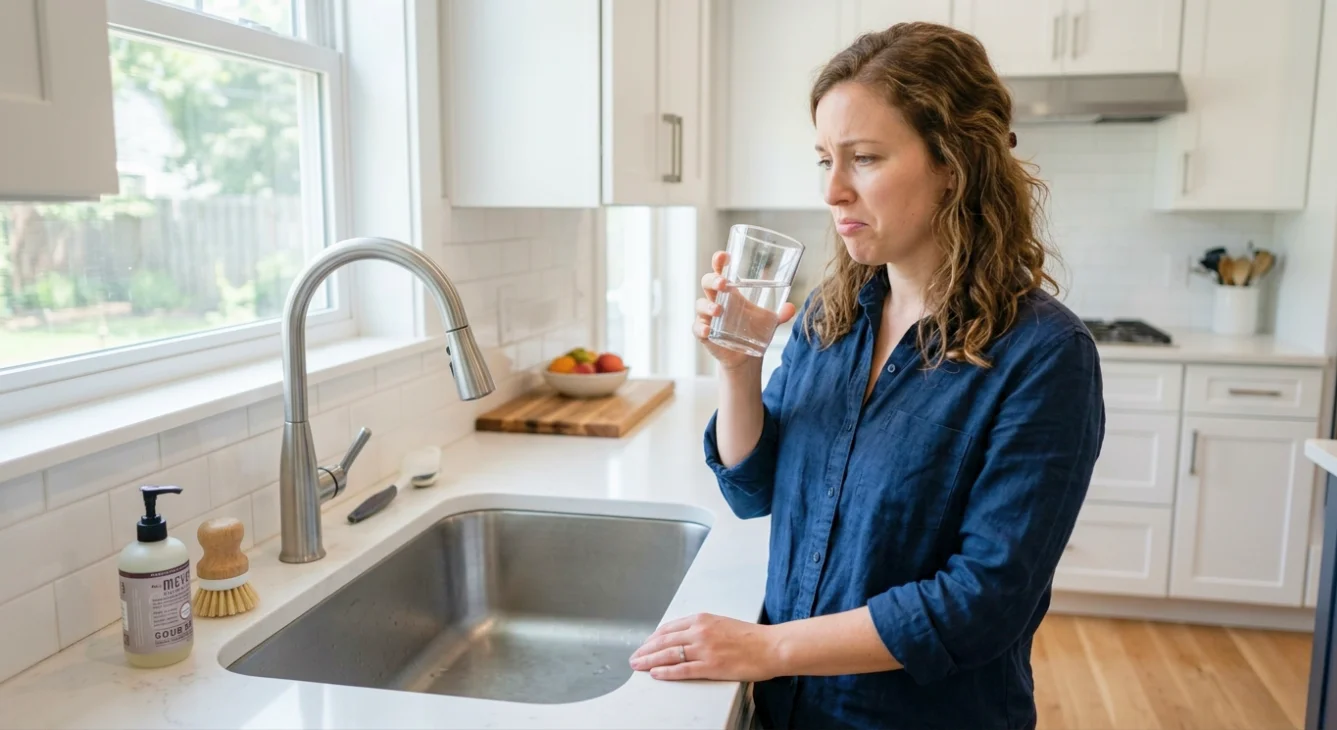
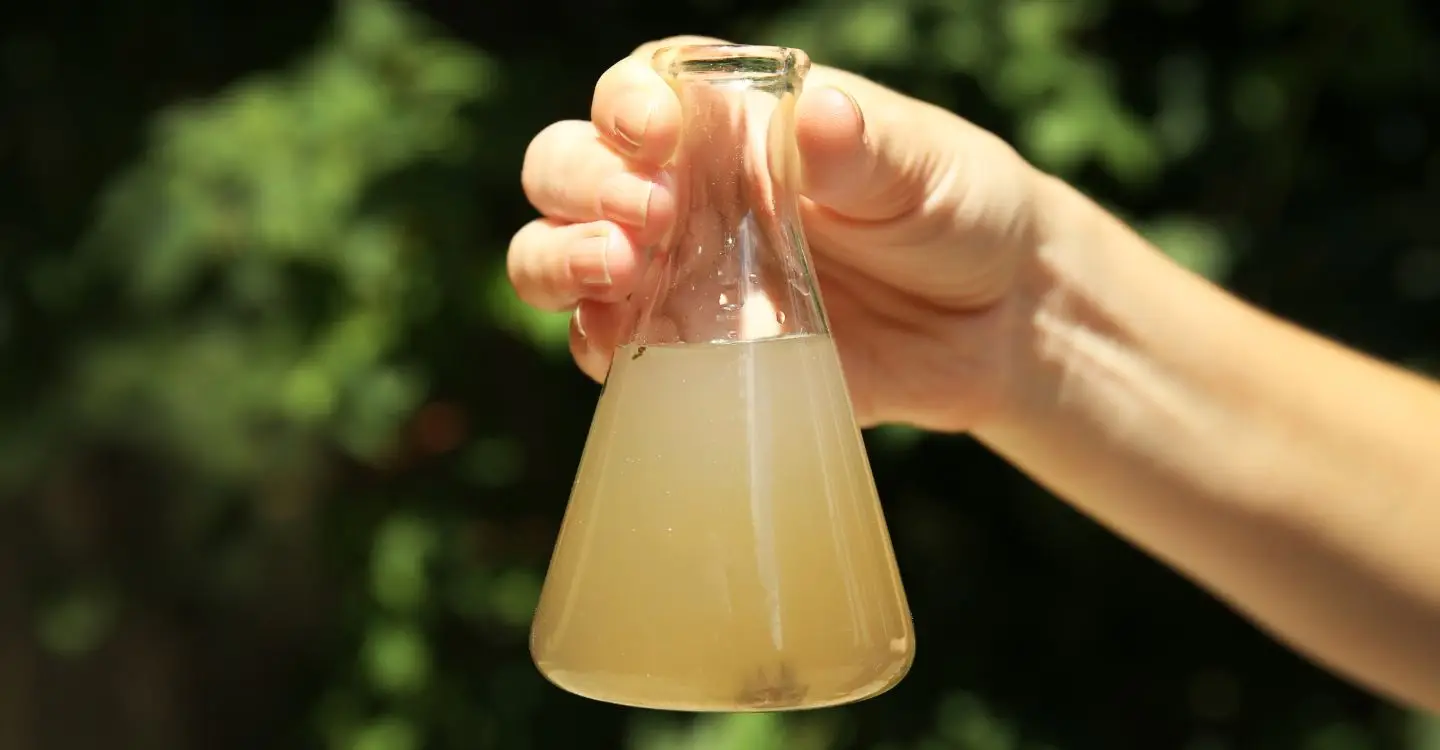
However, in 2026, a surprising trend has emerged: modern condos in Jersey City are failing water quality tests at a rate that catches many homeowners off guard. While the Jersey City Municipal Utilities Authority (JCMUA) works to meet federal standards, the journey of water from the main into a 30-story luxury tower is fraught with “last-mile” complications. Understanding why a “new” building can have “old” water problems is essential for any resident in the Sixth Borough.
The Stagnation Paradox in Luxury High-Rises
One of the most common reasons Jersey City condos fail water tests is, ironically, the lifestyle of their residents. Many condo owners use their units as secondary residences or travel frequently for work.
When an apartment sits empty for several days or weeks, the water in the unit’s branch lines remains stagnant. During this time, the water sits in prolonged contact with the pipes, gaskets, and fixtures. Even in new construction, this stagnation allows for:
- Metal Leaching: Water is a solvent; the longer it sits, the more it absorbs copper from pipes or lead from brass fixtures (which, until recently, were legally allowed to contain trace amounts of lead).
- Bacterial Regrowth: Modern buildings often have complex “dead legs”, sections of pipe where water rarely moves. These become breeding grounds for biofilm and bacteria like Legionella.
In 2026, we’ve seen that “first-draw” samples from high-rise units often show elevated lead and copper levels that disappear after the water is flushed for several minutes. For residents who are often away, our services include specialized stagnation testing to help identify these hidden risks.
The “Forever Chemical” Challenge: PFAS and Beyond
As of February 2026, Jersey City is at the center of a growing national conversation regarding PFAS (per- and polyfluoroalkyl substances). These “forever chemicals” have been detected in various New Jersey water sources due to the state’s long industrial history.
While many luxury condos boast “building-wide filtration,” these systems are often designed to remove sediment and chlorine, not microscopic chemical contaminants like PFOA or PFOS. Recent reports from the Environmental Protection Agency (EPA) highlight that urban centers with high-density living are particularly vulnerable to these persistent pollutants. Many condo owners are surprised to find that their expensive building-wide system isn’t filtering out these regulated chemicals, leading to failed independent laboratory tests.
Disinfection Byproducts: The HAA5 and TTHM Issue
To keep water safe as it travels through the massive network of Jersey City’s underground mains, disinfectants like chlorine are added. However, when chlorine reacts with organic matter in the water, it creates “disinfection byproducts” (DBPs) like Haloacetic Acids (HAA5) and Total Trihalomethanes (TTHMs).
In 2026, some Jersey City residents have reported DBP levels significantly higher than health guidelines. In a large condo building, the water may be treated again or sit in large rooftop storage tanks, providing more time for these chemical reactions to occur. Long-term exposure to high levels of DBPs is linked to various health risks, including increased cancer risk and reproductive issues. Residents often find more information on these localized chemical trends on our locations page, which tracks ward-specific water data.
The Failure of “Building-Wide” Filtration
Many Jersey City condo boards point to their central filtration system as a guarantee of safety. However, these systems often fail for three specific reasons:
- Maintenance Neglect: Filtration media and membranes must be replaced on a strict schedule. In large buildings, these high-cost maintenance tasks are sometimes deferred.
- Overwhelmed Systems: During peak hours (like 7:00 AM on a weekday), the sheer volume of water moving through the building can bypass the effective contact time required for certain filters to work.
- Sediment Spikes: Jersey City’s constant construction, including the ongoing Lead Service Line Replacement Program, can send “plumes” of sediment into building intakes, clogging filters prematurely and rendering them useless.
We often discuss these systemic failures on our blog, as they are a primary reason why unit-specific testing is the only way to verify what is actually coming out of your kitchen tap.
Hidden Lead in “Lead-Free” Buildings
Even if your building was completed in 2024, it may still contain lead. Under the “Reduction of Lead in Drinking Water Act,” plumbing fixtures labeled as “lead-free” can still contain up to 0.25% lead by weighted average. While this is a vast improvement over older standards, in a large building with hundreds of fixtures, the cumulative effect can still lead to detectable lead levels in a sensitive laboratory test.
Furthermore, the vibration from nearby construction, a constant in Jersey City’s downtown, can dislodge lead particulates from older municipal mains and carry them into the pristine plumbing of a new high-rise.
What Condo Owners Should Do
If you live in a Jersey City condo, don’t rely on the building’s annual water report, which usually reflects the water at the street, not at your tap.
- Request Maintenance Logs: Ask your condo board for the service records of the building-wide filtration system.
- Clean Your Aerators: The small screens on your faucets are “traps” for construction debris and lead particulates. Clean them every three months.
- Perform Independent Testing: A lab-certified test is the only way to know if your building’s filtration is working or if your unit’s stagnation is a health risk. Check our FAQ for the best time of day to take a sample.
Final Thoughts: Data Over Assumptions
Living in a Jersey City condo represents a modern, luxury lifestyle, but that shouldn’t come at the cost of your health. The infrastructure of our city is under immense pressure from population growth and environmental legacy issues. In 2026, the “surprising” failures in condo water tests are a reminder that even in the newest buildings, the water quality is only as good as the last few feet of pipe.
If you’re concerned about your condo’s water quality or have noticed changes in taste, smell, or skin health, visit our contact page to schedule a professional, laboratory-grade assessment today.