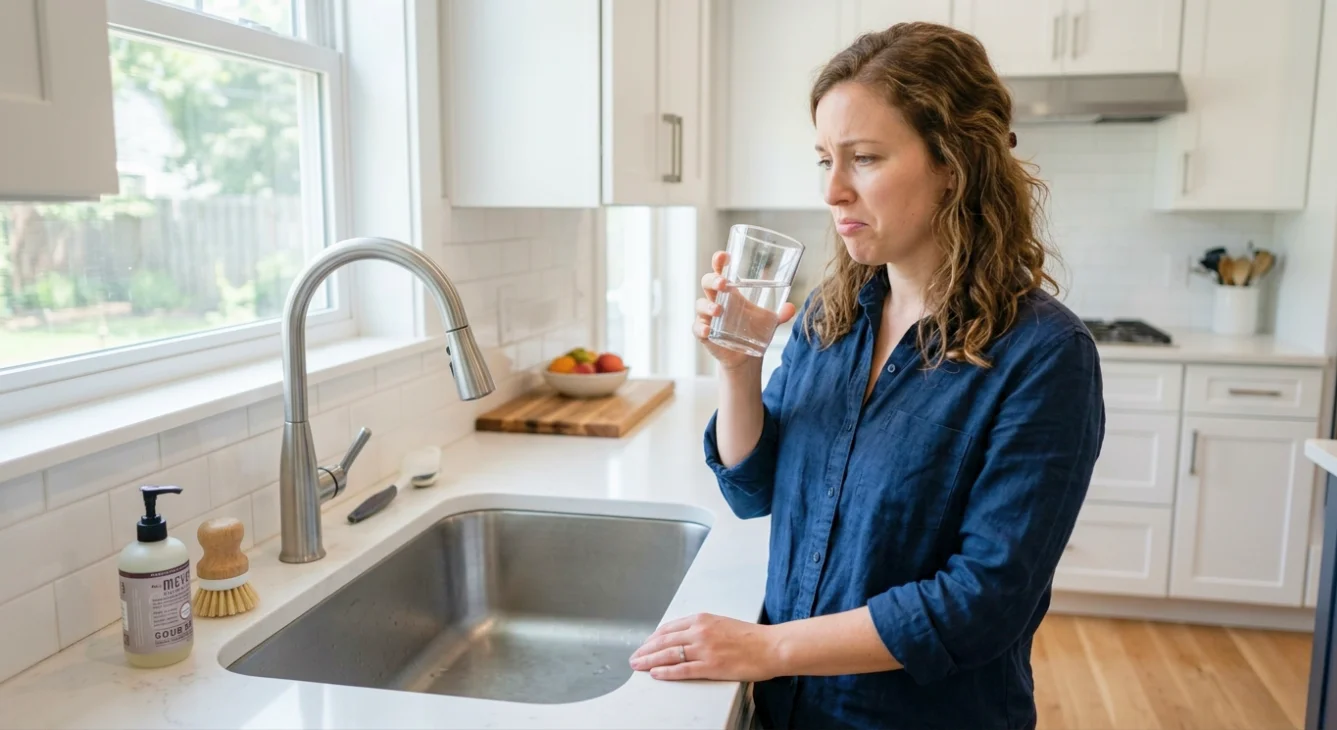
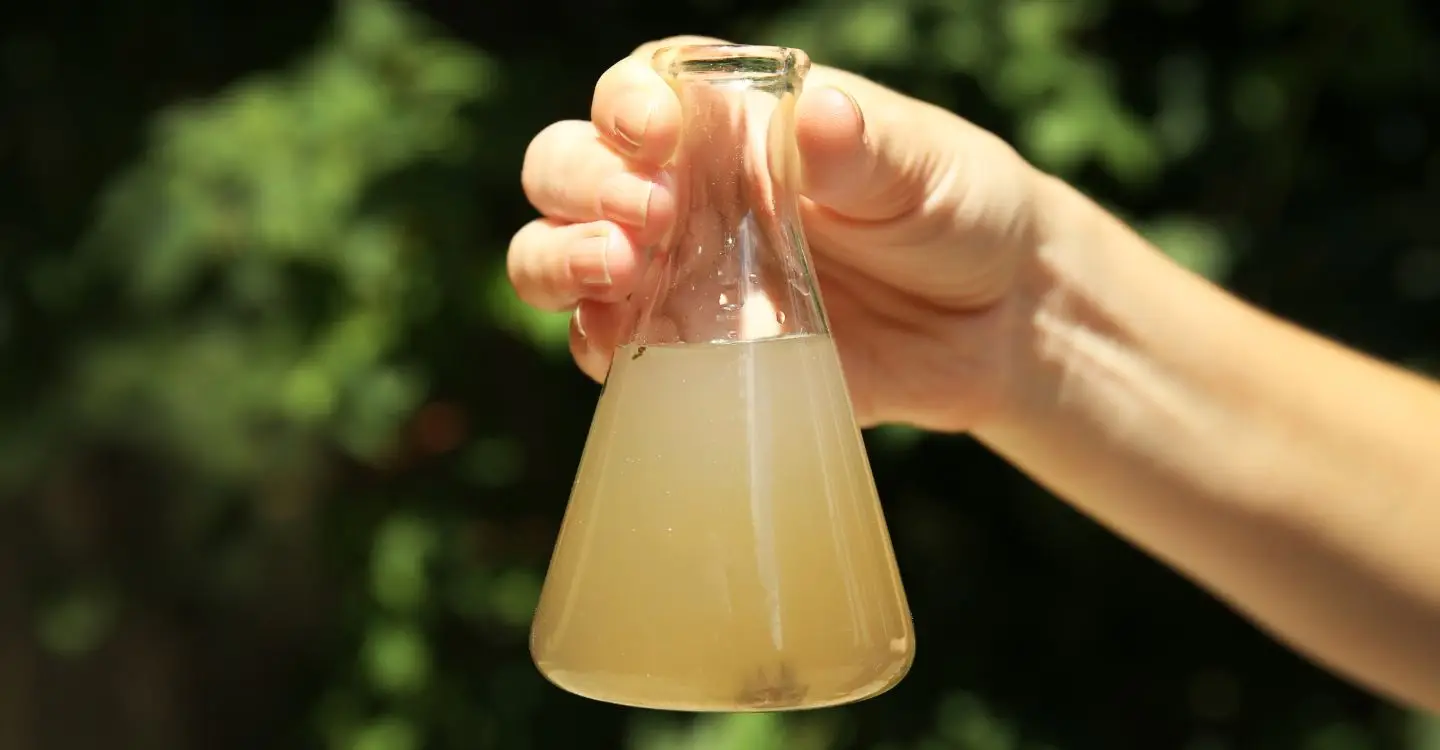
Fort Lee, New Jersey, is a community that bridges the gap between suburban comfort and urban energy. From the high-rise luxury condos overlooking the George Washington Bridge to the quiet, leafy streets of the Coytesville neighborhood, residents here expect a certain standard of living. Part of that expectation includes access to some of the most highly regulated drinking water in the country.
However, in 2026, a growing number of Fort Lee homeowners are being caught off guard. What began as a routine “peace of mind” checkup has turned into a source of frustration for many families. After opting for independent, laboratory-grade water analysis, several households have discovered that their tap water contains contaminants that were never mentioned in their annual municipal reports.
The shock isn’t that the city’s water is inherently “bad”, it’s that the journey from the treatment plant to an individual Fort Lee kitchen is full of hidden variables.
The Gap Between Municipal Reports and Residential Taps
Every year, the New Jersey American Water company and local utilities provide a Water Quality Report (CCR). These reports generally show that Fort Lee’s water meets or exceeds all federal and state requirements at the source.
The shock for homeowners comes when they realize those tests are performed at the treatment plant or at specific monitoring sites throughout the borough. They do not account for the “final mile.”
- The Service Line: This is the pipe that connects the street main to your house. In many older Fort Lee homes, these lines are made of lead or galvanized steel.
- Internal Plumbing: Lead solder was commonly used in Bergen County homes built before 1987.
- Fixtures: Even “modern” brass faucets installed as recently as 2010 can leach small amounts of lead and copper into the water.
When homeowners use our professional services, they often find that while the city’s water is clean, their home’s plumbing is actively contaminating it.
Why Fort Lee is Seeing a Spike in Failed Tests in 2026
Several factors unique to the 2026 landscape are contributing to these surprising test results:
1. The Disturbance of Constant Development Fort Lee is in a perpetual state of vertical growth. The construction of new high-rises and the heavy machinery used for roadwork create significant vibrations. These vibrations can dislodge “legacy scale”, mineral deposits inside old pipes that have trapped lead over the decades. This particulate lead then travels into nearby residential lines. We often see spikes in failed tests in our locations near active construction zones.
2. The “Forever Chemical” Frontier As of 2026, New Jersey has some of the strictest PFAS (per- and polyfluoroalkyl substances) standards in the nation. Many Fort Lee residents are testing for these “forever chemicals” for the first time. The shock comes when they realize that standard refrigerator filters and pitcher filters are often inadequate at removing these microscopic compounds.
3. Aging High-Rise Infrastructure It isn’t just single-family homes that are failing. Owners in older “luxury” high-rises are finding that the building’s massive internal storage tanks and vertical risers are contributing to bacterial growth or sediment buildup. This is a frequent topic on our blog, as high-rise living presents unique water safety challenges.
What Contaminants Are Raising Alarms?
While lead is the most famous culprit, it isn’t the only one. Recent tests in Fort Lee have highlighted:
- Copper: Often found in homes with newer copper piping that hasn’t yet developed a protective mineral coating, or in older homes where the water pH has become slightly more corrosive.
- Manganese: While often considered an aesthetic issue, high levels can cause black “flecking” and have been linked to health concerns in higher concentrations.
- Disinfection Byproducts: As chlorine travels through the long network of pipes to reach the edges of the borough, it can react with organic matter to form TTHMs (Total Trihalomethanes).
Local Insight: If you’ve noticed a metallic taste or a faint “swimming pool” smell in your water, these are indicators that the chemistry of your tap has shifted. You can find more troubleshooting tips in ourFAQsection.
Taking the Guesswork Out of Your Tap
The “shock” Fort Lee homeowners feel is often followed by a sense of empowerment. Once you have the data, you can take targeted action.
- Targeted Filtration: Instead of buying an expensive whole-house system you might not need, you can install a specific filter designed to catch the exact contaminants found in your test.
- Plumbing Maintenance: Sometimes the solution is as simple as replacing an old lead-soldered valve or cleaning out the aerators on your faucets.
- Advocacy: For condo owners, lab results provide the necessary evidence to push building management for better maintenance of communal water tanks.
Protecting Your Family’s Health
In a community as prestigious as Fort Lee, your home should be your sanctuary. The only way to ensure that your water quality matches your quality of life is through scientific verification. Whether you are in a brand-new condo or a historic home near the Palisades, the water chemistry at your kitchen sink is unique to your property.
Don’t wait for a city-wide advisory or a change in the color of your water. Routine testing is the best way to catch small issues before they become significant health risks.
If you want to move past the assumptions and find out exactly what is in your Fort Lee tap water, visit our contact page to schedule a professional, lab-certified water quality assessment today.