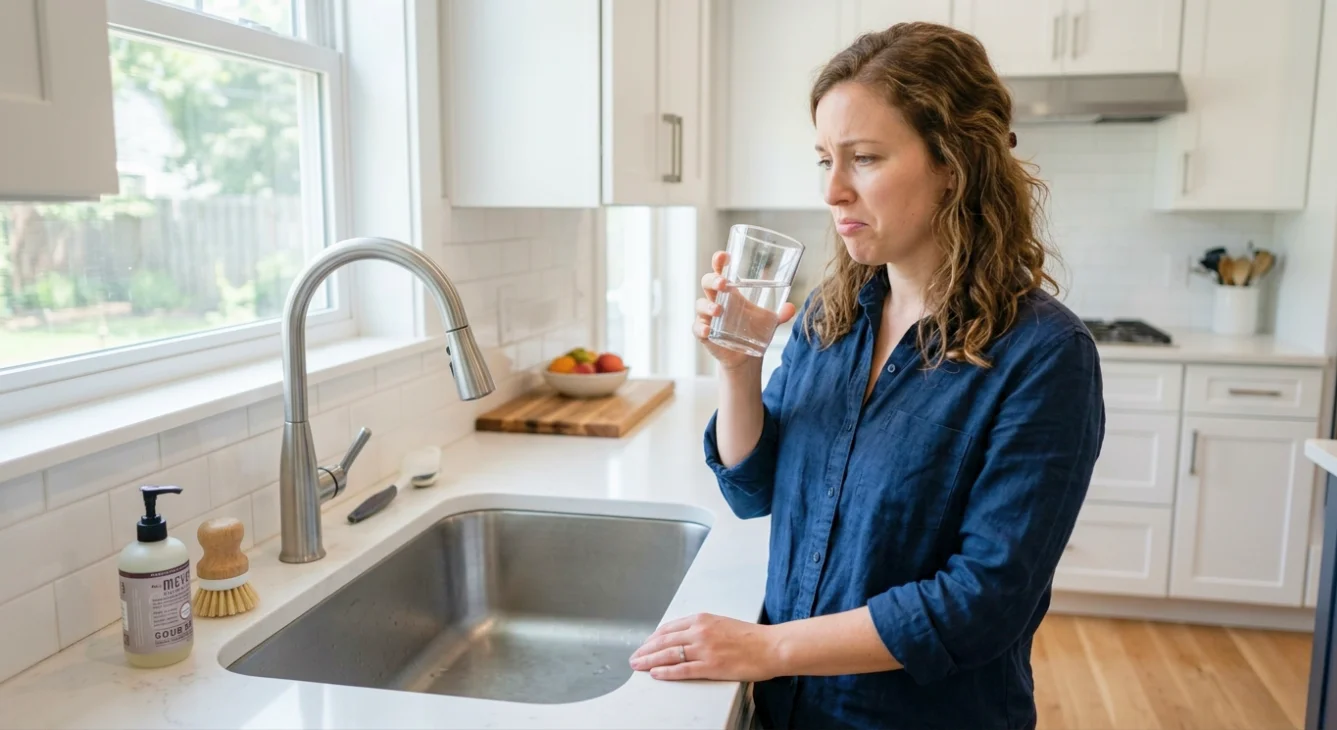
Elizabeth, New Jersey, is a city built on a foundation of grit and industrial history. As one of the state’s oldest municipalities, our neighborhoods, from the historic mansions of Westminster to the busy residential blocks of Elmora, feature a complex patchwork of infrastructure. While the Liberty Water Company works tirelessly to ensure the water entering the city’s mains is safe, the “final journey” into your home is where the real story begins.
In early 2026, a series of residential water tests conducted across Elizabeth revealed that the biggest threats to water quality aren’t found at the treatment plant, but rather within the local plumbing systems of our individual homes. If you live in a house built before the mid-1980s, what we found might change the way you think about your morning cup of coffee.
The Legacy of Lead and Galvanized Steel
The most striking finding in our recent Elizabeth assessments is the persistent presence of lead and galvanized steel service lines. New Jersey law now mandates that all such lines be replaced by 2031, but in a city as densely populated as Elizabeth, that process is a marathon, not a sprint.
1. The “Hybrid” Service Line Trap Many Elizabeth homeowners believe they are safe because they see a copper pipe entering their basement. However, our testing often reveals that this copper pipe is merely a “patch” connected to an original lead or galvanized line further out toward the street. These hybrid systems are notorious for leaching metals, especially if the water has been sitting stagnant overnight.
2. Galvanized Pipes as Lead “Sponges” One of the most surprising revelations for local homeowners is the role of galvanized steel. Over decades of service, these pipes develop a rough interior coating of rust. This rust acts like a sponge, trapping lead particles that flake off from the city’s old infrastructure. Even if the city replaces the main line on your street, these internal galvanized pipes can continue to “seed” lead into your drinking water for years. This “legacy lead” is a frequent topic in our blog, where we break down the chemistry of older home systems.
Construction Disturbances: A 2026 Reality
Elizabeth is currently a hub of revitalization. Between road repairs near the Goethals Bridge and local pipe replacement initiatives, the ground in our city is frequently shaking.
While these upgrades are a net positive, the physical vibration of heavy machinery can dislodge “lead scale” from old pipes. We have found that homes located within two blocks of active construction often show temporary but significant spikes in particulate lead. This isn’t dissolved lead, it’s physical flakes of metal that travel through the system and get caught in your faucet aerators. For residents who are unsure about their current neighborhood risk, checking our locations page can provide insight into areas where we are seeing these construction-related spikes.
Beyond Metals: The Chemical Signature of an Urban Grid
While lead gets the most headlines, our tests in Elizabeth also highlighted secondary contaminants that affect the “palatability” and safety of local water:
- Disinfection Byproducts (TTHMs): To keep water safe from bacteria over the miles of Elizabeth’s grid, chlorine is used. However, when that chlorine reacts with organic matter in older pipes, it forms Trihalomethanes. In 2026, we’ve noticed that homes at the “end of the line” in certain wards have higher TTHM concentrations, which can have long-term health implications.
- PFAS “Forever Chemicals”: New Jersey has some of the strictest PFAS standards in the country. Our lab-grade testing has identified trace amounts of these artificial chemicals in residential taps that standard pitcher filters simply cannot catch.
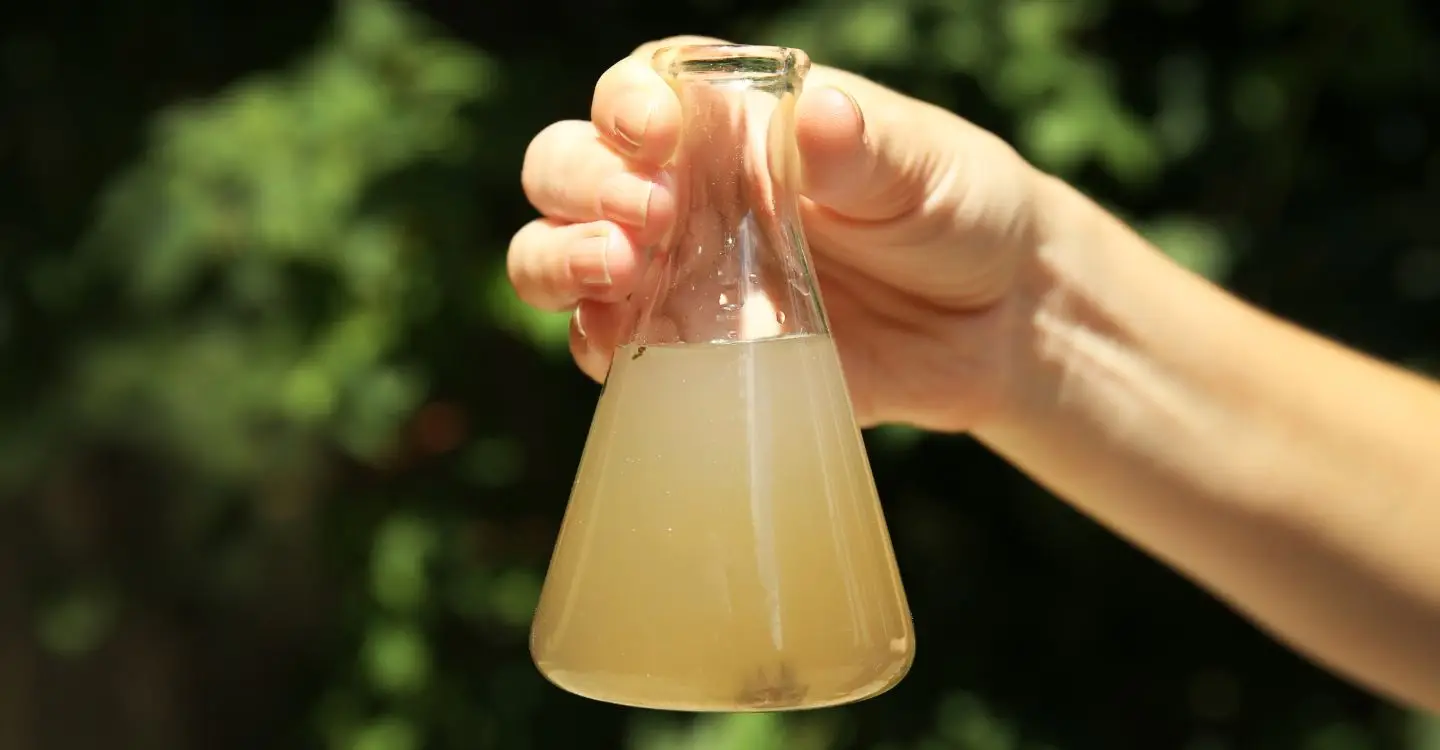
- Sediment and Turbidity: The “cloudy” water reported by some residents in the Port area is often just fine silt or rust from decaying iron mains. While not always a health risk, it can clog high-end appliances and ruin laundry.
Taking Control of Your Tap: What You Can Do
The “safety” of your water doesn’t end at the city’s main; it’s a responsibility that continues through your front door. If your Elizabeth home hasn’t been tested recently, we recommend a few immediate steps:
- Perform a “First Draw” Test: This captures the highest concentration of contaminants. We address the specifics of how to collect a valid sample in our FAQ.
- Clean Your Aerators: Unscrew the tips of your faucets once a month. If you see grey or black flecks, those are likely lead or manganese particles that need to be cleared.
- The “Magnet Test” on Your Pipes: If you aren’t sure what your pipes are made of, try sticking a magnet to them. If it sticks, you have steel/iron; if it doesn’t and the pipe is a dull grey, it’s likely lead.
Verification is the Only Path to Peace of Mind
In a city with a history as rich and varied as Elizabeth, you cannot judge water quality by its appearance alone. Lead is odorless, tasteless, and colorless. The only way to know if your local plumbing is compromising your health is through scientific, laboratory-grade analysis.
Our services are designed to give Elizabeth families the data they need to make informed decisions about filtration and plumbing repairs. Whether you are in a century-old house or a modern apartment, the data from your tap is the most important health metric in your home.
If you are concerned about what your pipes might be hiding, visit our contact page to schedule a professional water quality assessment today.