
What Water Testing Found in a Queens Co-op Shocks the Owner
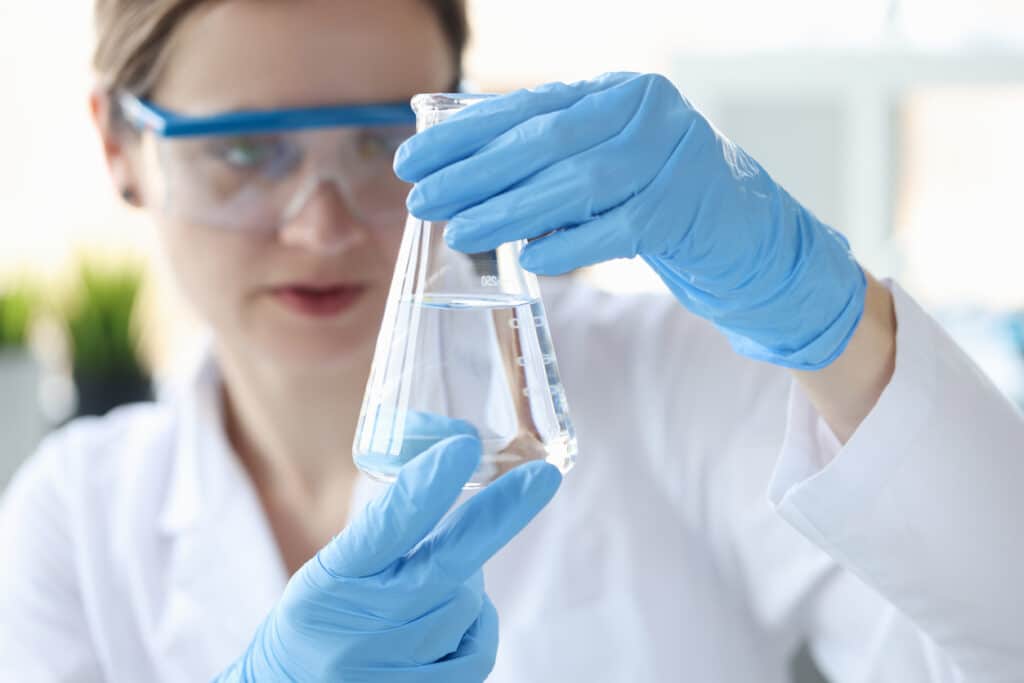
Queens is a borough of neighborhoods, from the bustling streets of Jackson Heights to the quiet, tree-lined blocks of Forest Hills and Kew Gardens. For many New Yorkers, the dream of homeownership is realized through the “Co-op” a unique New York City institution where you don’t just own an apartment, but a share of a […]
Brooklyn Residents Are Discovering Their Water Filters Aren’t Enough
Walk into any kitchen in Brooklyn, whether it’s a sprawling renovated loft in Bushwick or a cozy rent-stabilized unit in Bay Ridge, and you’re likely to see the same sight perched on the countertop: a plastic water filter pitcher. For years, these devices have been the “security blanket” of the New York City tenant. We […]
The Water in Your Brooklyn Apartment May Be Affecting Your Skin

Brooklyn is a borough defined by its history, from the cobblestone streets of DUMBO to the pre-war charm of apartments in Brooklyn Heights and Clinton Hill. But for many residents, that historic charm comes with a hidden side effect: aging infrastructure that can take a significant toll on your skin and hair. If you have […]
Why Brooklyn Brownstones Are at Higher Risk for Lead in Water
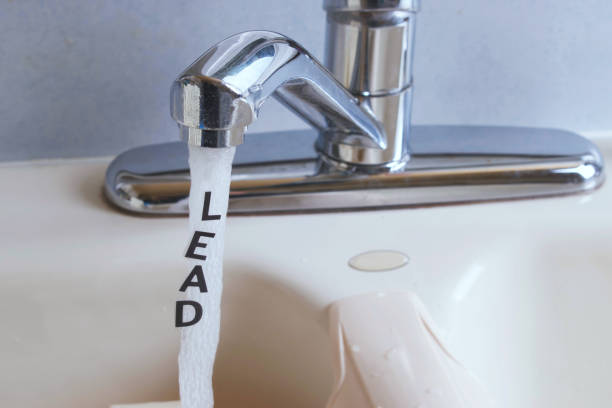
Brooklyn’s brownstones are more than just homes; they are the architectural heartbeat of neighborhoods like Park Slope, Bedford-Stuyvesant, and Brooklyn Heights. With their ornate cornices and iconic stoops, these historic rows represent the pinnacle of 19th-century craftsmanship. However, the very age that gives these buildings their character also presents a modern environmental challenge. For many […]
Iron and Manganese in Tap Water: Stains, Smells and Fixes
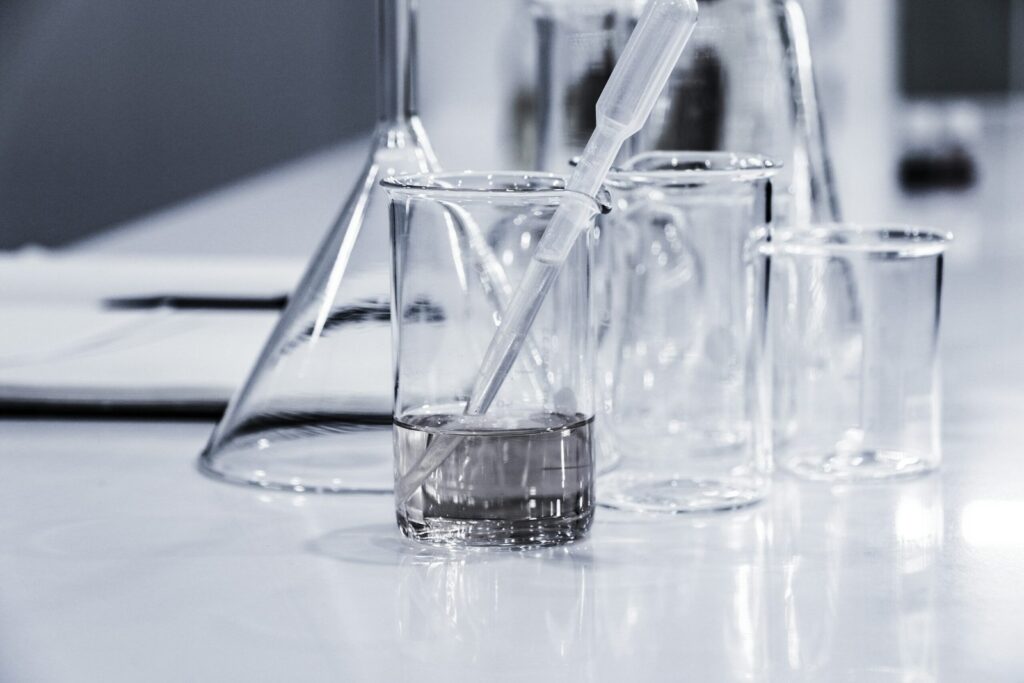
Iron in tap water is a widespread issue across many regions. It occurs naturally as groundwater moves through soil and rock formations rich in minerals. Homes with private wells often experience discolored fixtures, metallic odors, and unpleasant taste due to this mineral buildup. Though low levels of iron and manganese rarely pose health risks, they […]
Testing for Coliform and E. coli in Home Drinking Water
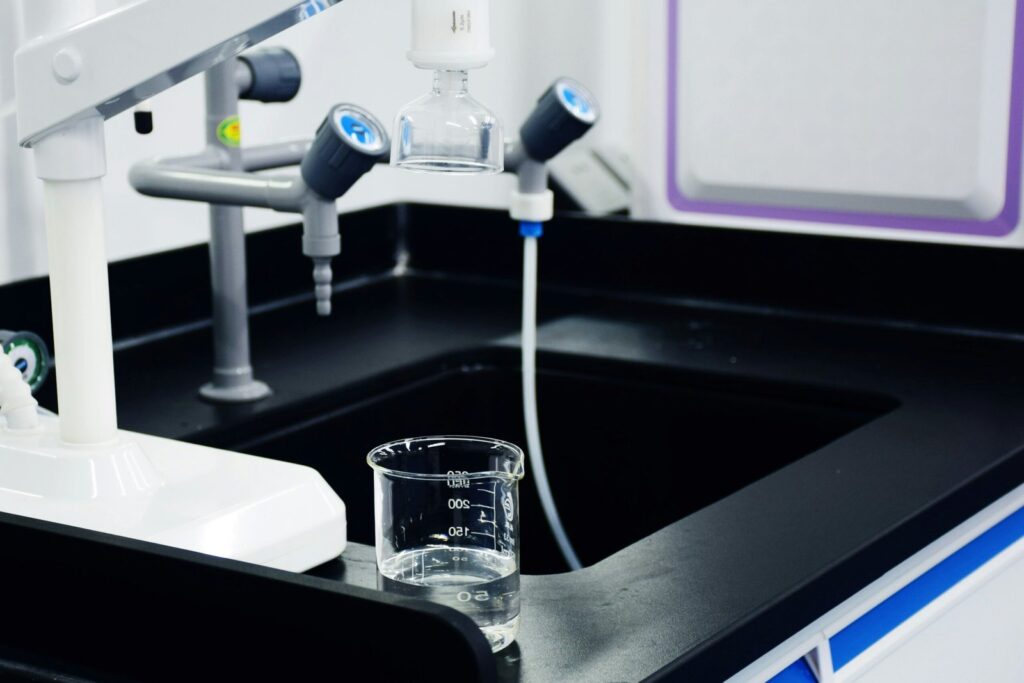
Ensuring safe home water requires regular testing for coliform and E. coli. These harmful bacteria can enter through soil, surface runoff, or organic waste, posing serious health risks. Coliform often signals deeper contamination pathways, while E. coli indicates fecal matter presence that can cause severe illness. Testing water routinely identifies these threats early and helps […]
Testing After Renovations or Fixture Replacement
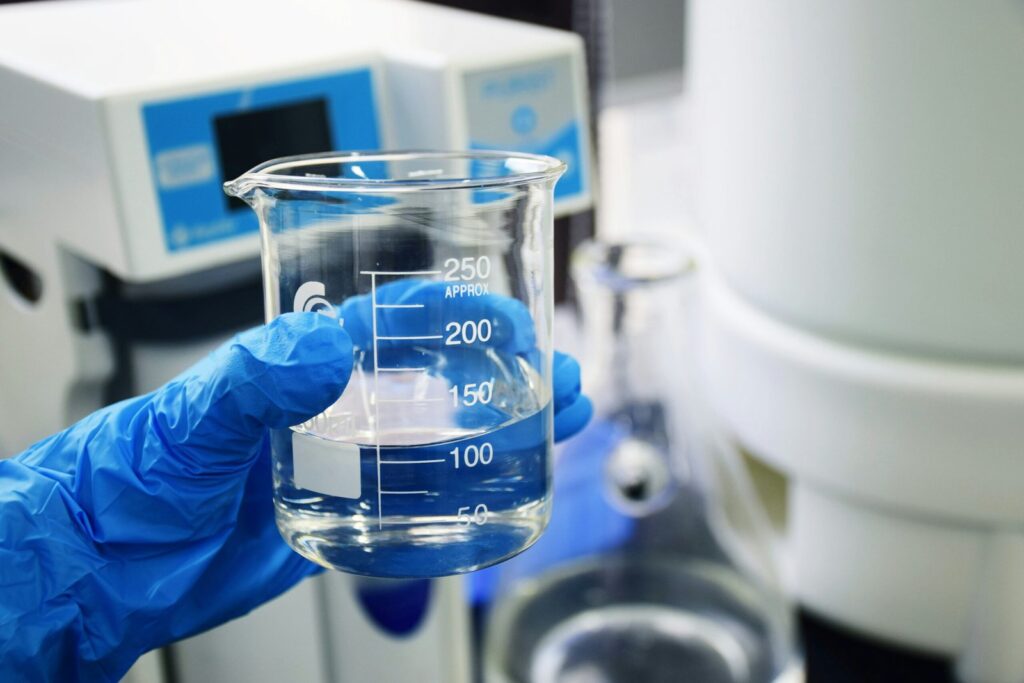
Renovations or fixture upgrades can disturb pipes and plumbing materials. Old deposits may shift, which affects water clarity and safety. By scheduling water testing soon after any changes, families address possible risks right away. Even a small alteration might influence water flow or introduce hidden particles. Post-renovation water testing keeps a safe home environment, ensuring […]
PFAS Contamination in Municipal and Well Water
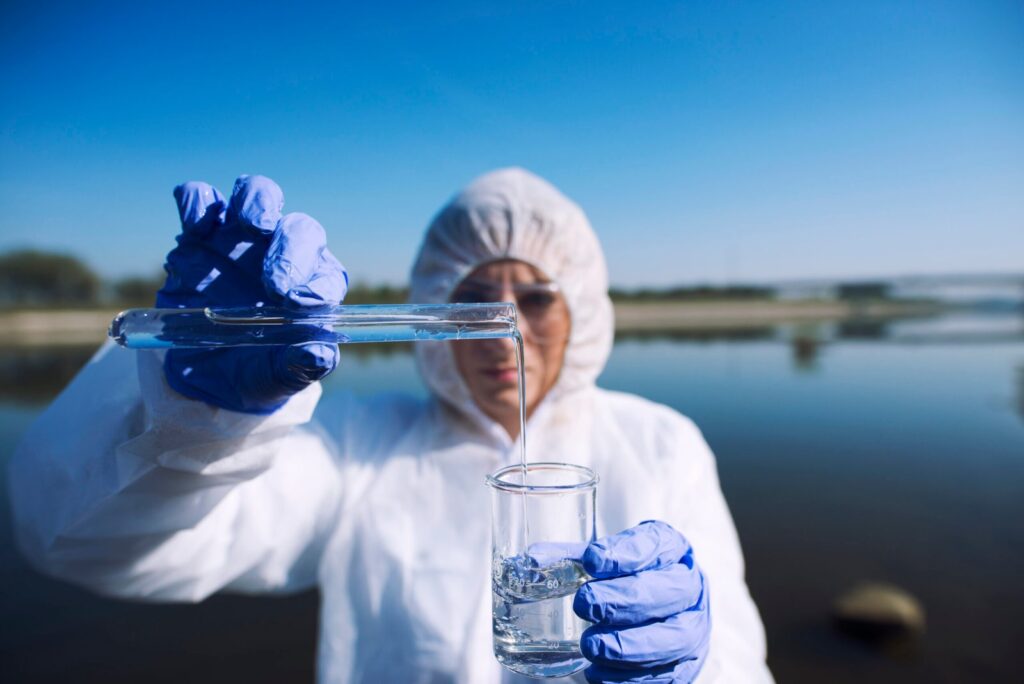
PFAS, also known as forever chemicals, are becoming a major concern in the United States Research by Bachhu et al. (2025) revealed that these substances exist in numerous household items and often end up in rivers and aquifers through industrial waste and surface runoff. Their resistance to natural breakdown raises urgent questions about long-term water […]
Understanding Lead and Copper in Old Plumbing
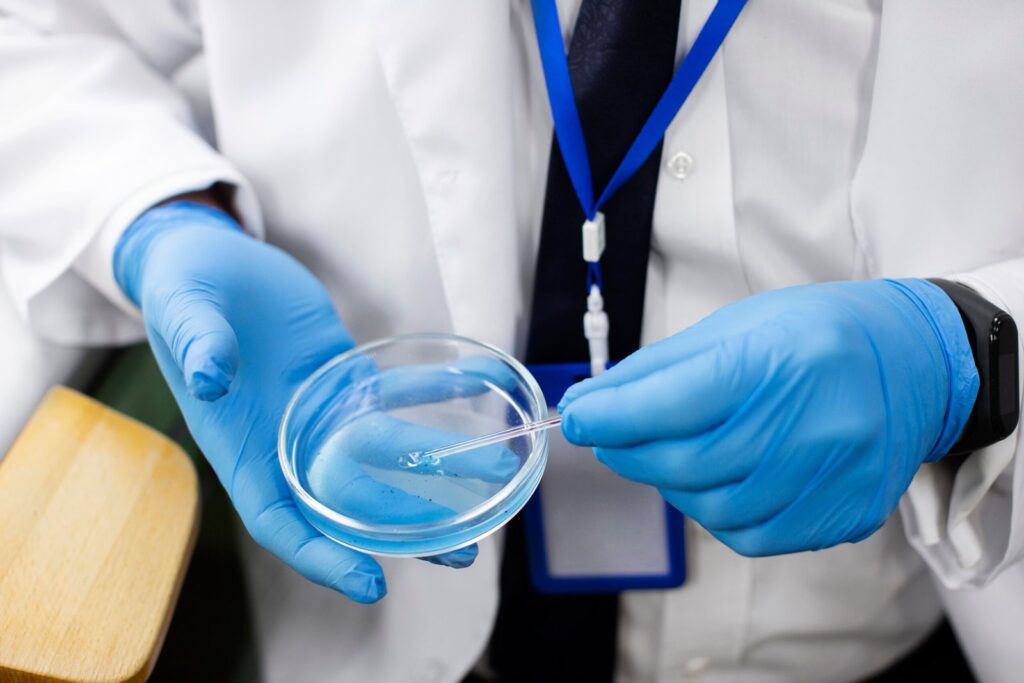
Lead and Copper in American Plumbing Systems Lead and copper have been integral to many American plumbing systems for decades. They remain a critical concern for those aiming to avoid hidden health risks in older pipes. By examining local water quality, homeowners can detect early corrosion signs and take prompt action. Inspection agencies emphasize accurate […]
Common Causes of Brown or Cloudy Water

Brown tap water can suddenly appear in homes without warning, often due to aging plumbing, rust deposits, or iron bacteria that worsen discoloration.According to discolored water research, sediment and iron buildup are common culprits, turning water brown, yellow, or cloudy. City maintenance activities can also stir up sediment, worsening the issue. Key Takeaways Understanding Discoloration […]