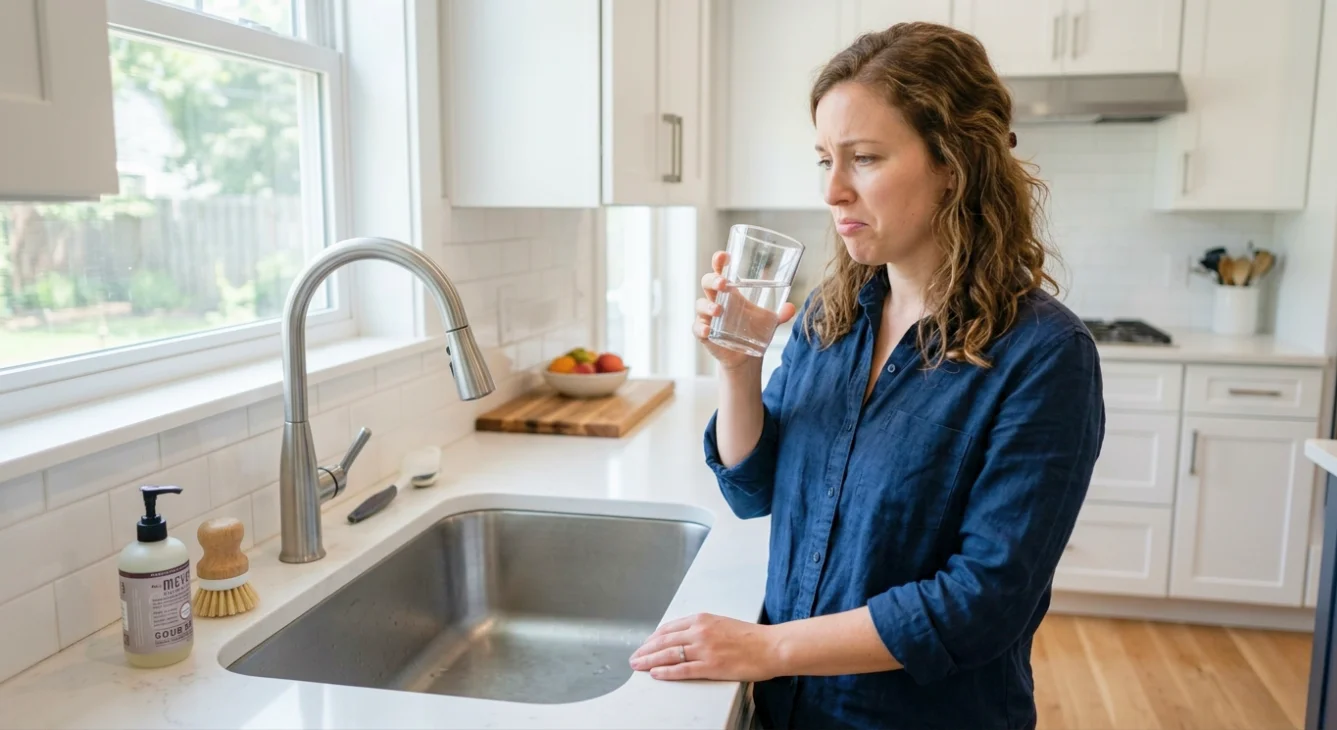
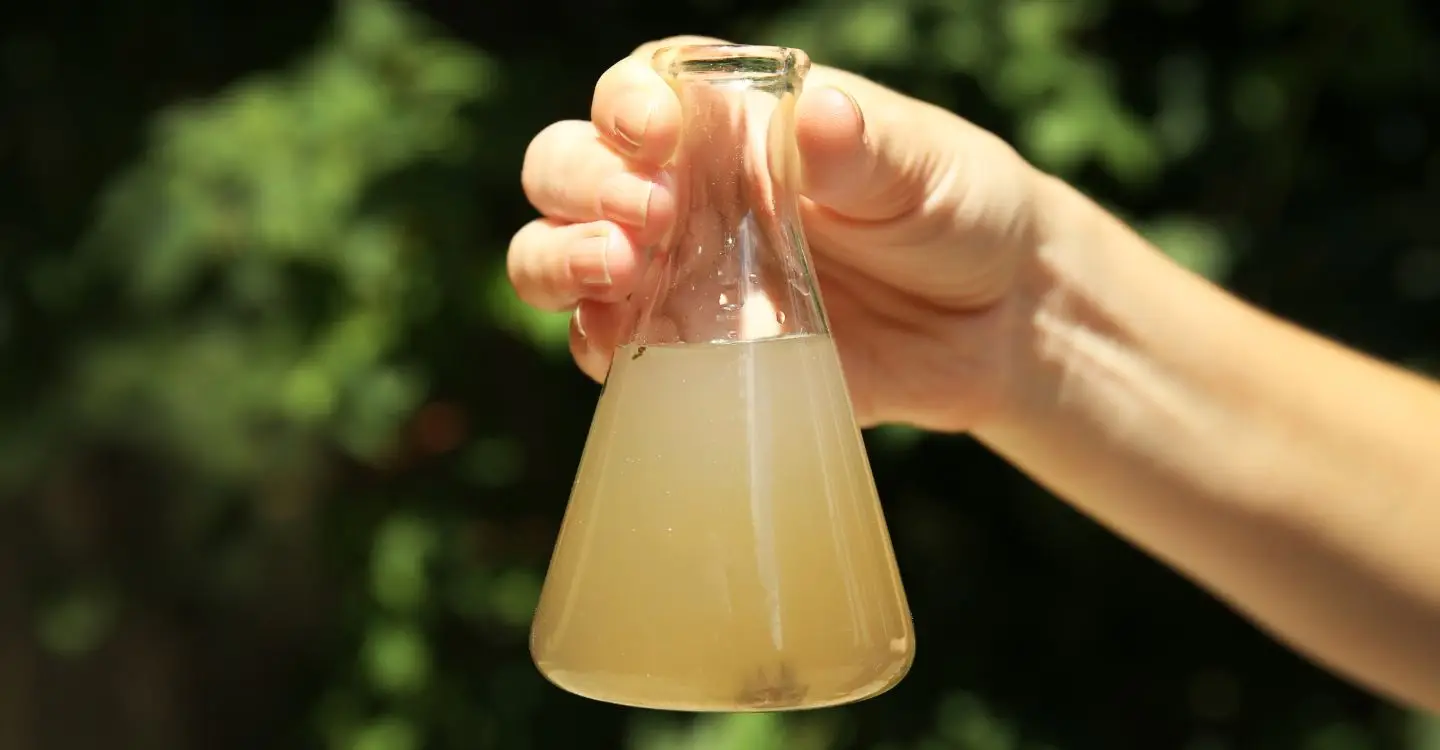
Brooklyn is a borough defined by its history, from the cobblestone streets of DUMBO to the pre-war charm of apartments in Brooklyn Heights and Clinton Hill. Apartment water testing in Brooklyn helps residents discover what that historic charm may be hiding, by analyzing tap water for hard minerals, heavy metals, and other contaminants that aging pipes can release into your daily supply, quietly affecting everything from your drinking water to your skin and hair. But for many residents, that historic charm comes with a hidden side effect: aging infrastructure that can take a significant toll on your health and quality of life.
If you have invested in a high-end ten-step skincare routine only to find your face remains perpetually dry, red, or prone to breakouts, the culprit might not be your products. In 2026, as urban infrastructure faces increasing pressure, the water coming out of your Brooklyn tap is a primary suspect for common dermatological frustrations.
The “Hard Water” Myth in New York City
There is a common misconception that New York City has “soft” water. While it is true that NYC’s water is naturally low in minerals like calcium and magnesium compared to the Midwest, the journey that water takes from the upstate reservoirs to your third-floor walk-up in Williamsburg changes its composition.
As water travels through miles of century-old iron and lead pipes, it can pick up sediment and metallic ions. Furthermore, many Brooklyn apartment buildings utilize internal storage tanks or old galvanized plumbing that adds “hardness” and particulate matter back into the system. For your skin, this means the water is no longer the “pure” resource the city’s water reports might suggest.
How Contaminants Disrupt the Skin Barrier
The skin is our body’s largest organ, and its primary job is to act as a barrier. This barrier is protected by the acid mantle, a thin, slightly acidic film made of natural oils (sebum) and sweat. When you shower in water that is chemically imbalanced or high in certain minerals, this barrier is under constant attack.
1. The Soap Scum Effect In apartments with older plumbing, minerals in the water react with the fatty acids in your soaps and cleansers. Instead of creating a rich lather that rinses away, they form an insoluble “soap scum.” This film doesn’t just stick to your shower tiles; it sticks to your skin. This residue can clog pores, leading to the “Brooklyn Breakout” acne that seems resistant to traditional treatments.
2. Chlorine and Disinfectants To keep water safe from bacteria as it travels through a complex urban grid, the city uses chlorine. While necessary for public health, chlorine is a powerful oxidant. It strips the skin of its natural lipids, leading to:
- Tightness: That “squeaky clean” feeling is often actually the feeling of a severely dehydrated skin barrier.
- Inflammation: For those with sensitive skin, chlorine can trigger irritant contact dermatitis, manifesting as red, itchy patches.
- Premature Aging: Frequent exposure to oxidants like chlorine can break down collagen and elastin over time, contributing to fine lines.
Heavy Metals: The Invisible Irritants
Brooklyn’s older building stock is notorious for lead and copper plumbing. While the health risks of consuming lead are well-documented, the topical effects of heavy metals are often overlooked.
Lead and other metals can induce oxidative stress on the skin surface. This can aggravate chronic conditions like eczema and rosacea. If you find that your skin flares up specifically after a long shower, it may be time to look into our services for a comprehensive water analysis.
Identifying the Signs: Is Your Water the Problem?
If you aren’t sure if your apartment’s water is the root cause of your skin woes, look for these tell-tale “local” signs:
- The “Grey” Towel: If your white towels become stiff or greyish over time, that’s mineral and sediment buildup.
- Low Water Pressure: Mineral scale inside old Brooklyn pipes often restricts flow, which also indicates those minerals are ending up on your face.
- Hair Texture: Water that is bad for your skin is usually worse for your hair. If your hair feels “straw-like” or your scalp is perpetually itchy despite using hydrating masks, your water is likely the culprit.
For residents in specific high-risk areas, checking our locations page can provide insight into neighborhood-specific water trends that might be affecting your building.
2026 Water Quality Trends in Brooklyn
As we move through 2026, the NYC Department of Environmental Protection (DEP) has noted that climate-related shifts and aging infrastructure are requiring more frequent “flushing” of the system. This can lead to temporary spikes in sediment and chlorine levels.
Furthermore, a 2025 study published in the Journal of Urban Health suggested that residents in older multi-family dwellings in Brooklyn and Queens showed higher instances of skin barrier disruption compared to those in modern LEED-certified buildings, primarily due to the “legacy” plumbing systems.
Local Tip: Many Brooklynites try to solve this with a simple “bead” shower filter. While these can help with some sediment, they rarely address the dissolved heavy metals or the total chlorine load found in large apartment complexes.
Practical Steps for Better Skin
You don’t have to move to a new development to save your skin. There are several ways to mitigate the impact of Brooklyn’s tap water:
1. Shorten Your Showers The longer you are under the spray, the more time your skin has to absorb chlorine and lose its natural oils. Try to keep showers under 10 minutes and use lukewarm, not hot, water.
2. The “First Draw” Rule Water that has been sitting in your building’s pipes overnight has the highest concentration of leached metals. If you are washing your face in the morning, let the water run for 30 seconds before it touches your skin.
3. Professional Testing If your skin issues are persistent, stop guessing. A professional lab test can tell you exactly what is in your water, from lead levels to chlorine concentrations. You can find answers to many common testing questions on our FAQ page.
4. Post-Shower Protection Apply a high-quality moisturizer while your skin is still slightly damp. This helps “lock in” hydration and provides a physical barrier between your skin and any remaining mineral residue.
The Path to Clearer Skin Starts at the Tap
Your skin is a reflection of your environment. In a borough as vibrant and complex as Brooklyn, that environment includes the water flowing through the walls of your home. By understanding the specific challenges of apartment plumbing and taking proactive steps to test and treat your water, you can finally see the results your skincare products have been promising.
If you are ready to stop the “Brooklyn Breakout” and get to the bottom of your skin irritation, visit our contact page to schedule a residential water quality assessment.