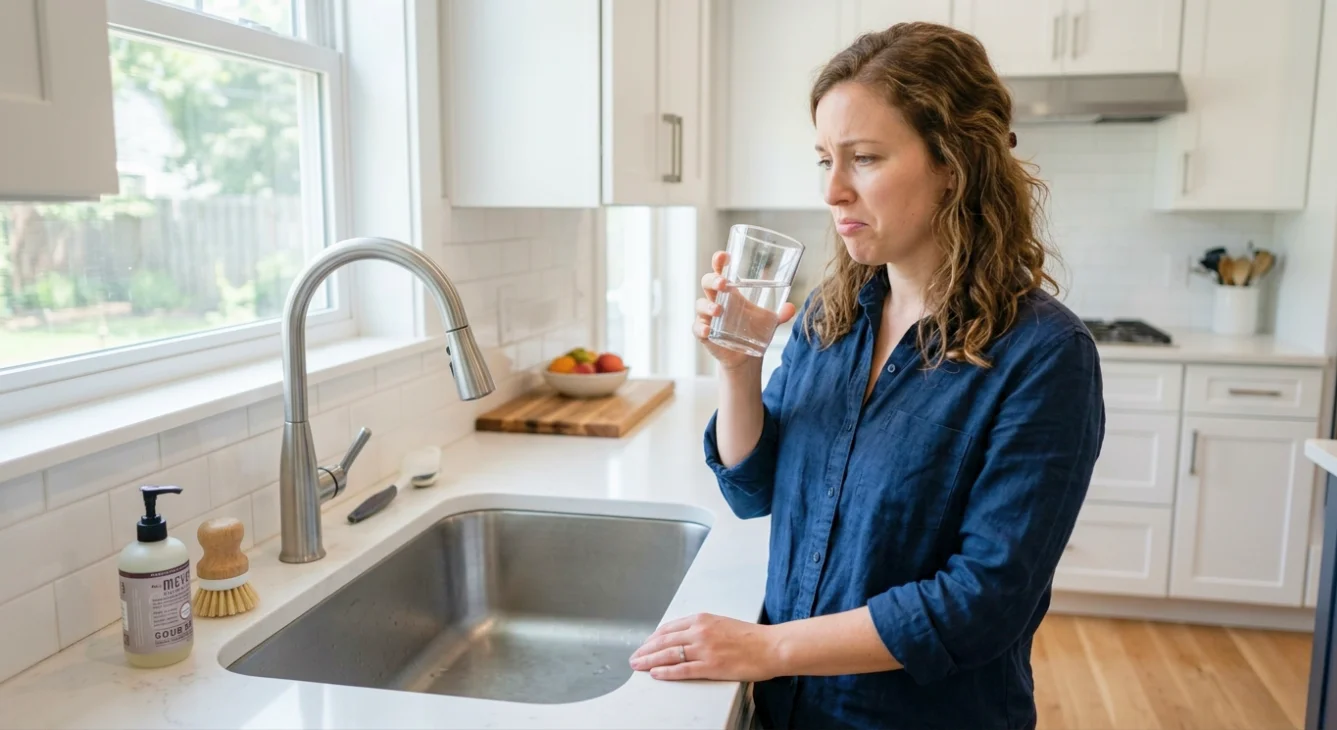
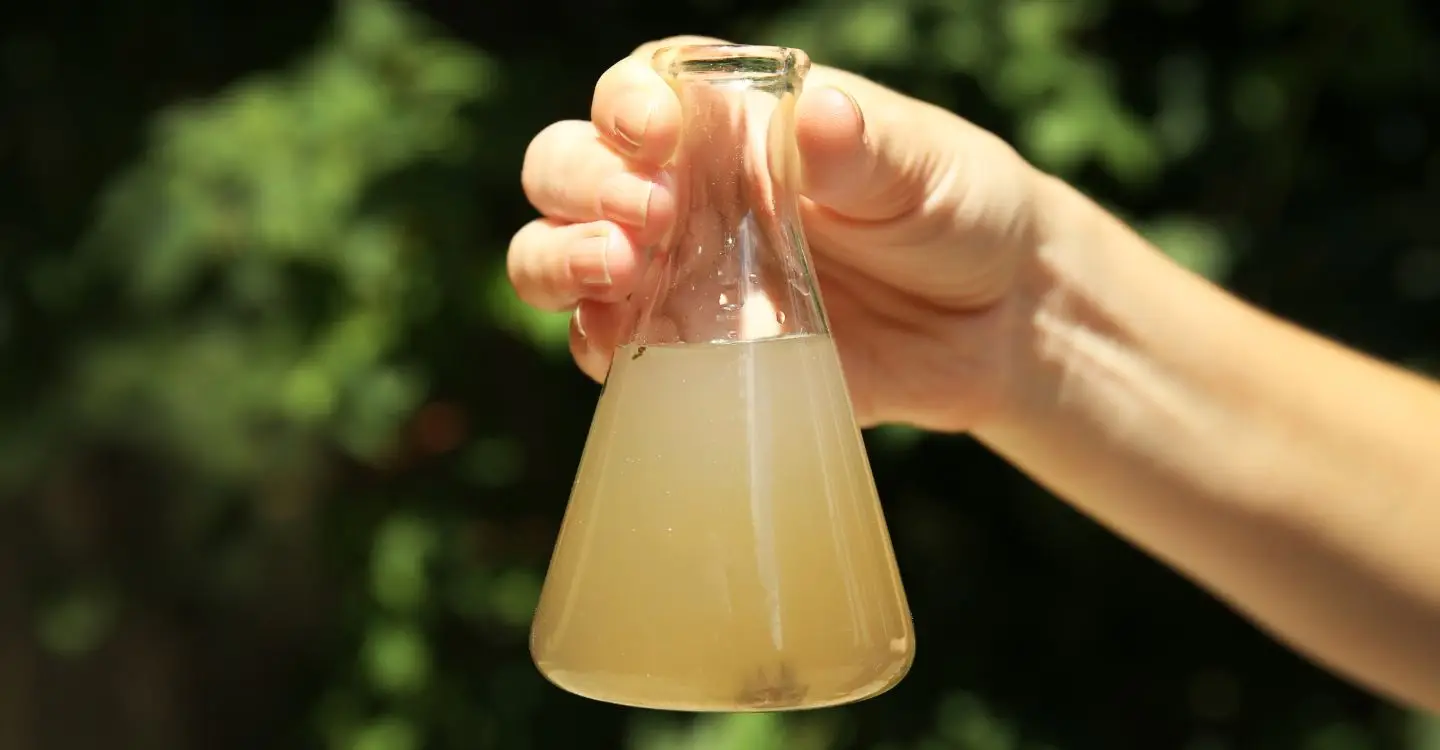
Hoboken is a city that feels like it was built for families. From the stroller-filled sidewalks of Washington Street to the weekend picnics at Pier A Park, it is a community that prioritizes the next generation. As we move through 2026, a new nesting ritual has taken hold among local expectant parents: alongside the assembly of the crib and the stocking of the nursery, many are now requesting professional water quality assessments.
In a city defined by its historic brownstones and pre-war apartment buildings, the concern isn’t about the water leaving the treatment plant, it’s about the “last mile” journey the water takes through century-old infrastructure. For a developing infant, the quality of tap water used for mixing formula or cooking first foods is a critical factor that many Hoboken parents are no longer willing to leave to chance.
The Pre-War Reality of Mile Square City Plumbing
The charm of Hoboken lies in its history, but that history comes with a plumbing legacy. Most of the residential structures in the Uptown and Mid-town districts were constructed well before 1986, the year lead pipes were officially banned in the United States.
1. The Service Line Gap While the city of Hoboken has made massive strides in its water main replacement projects, replacing miles of aging pipes beneath our streets, the service line (the pipe connecting the street main to your specific building) remains a private responsibility. In 2026, many of these lines in older row houses are still made of lead or galvanized steel.
2. Lead Solder in Renovated Units Even if you live in a “gut-renovated” condo, the internal pipes might be joined with lead solder if the work was performed between 1961 and 1987. This solder can leach lead into the water, particularly if it sits stagnant in the pipes overnight. For parents, understanding these nuances is a core part of the services we provide to local families.
Why 2026 is a Turning Point for Water Transparency
As of February 2026, New Jersey’s stringent lead disclosure laws have fully matured. Landlords are now legally required to disclose known lead service lines to tenants, and the City of Hoboken has launched an interactive map to help residents identify their pipe materials.
However, “known” is the operative word. Many property owners simply don’t know what is behind their walls. This has led to a surge in proactive testing by residents who want definitive data before bringing a newborn home. It’s a trend we’ve highlighted across our various locations as urban parents become more data-driven.
Beyond Lead: The “Formative Years” Risks
Lead is the primary concern because it is a potent neurotoxin with no safe exposure level for infants. According to the Environmental Protection Agency (EPA), lead exposure can result in delayed physical or mental development and slight deficits in attention span and learning.
But Hoboken parents are also looking for other contaminants that can affect a baby’s sensitive system:
- Disinfection Byproducts (TTHMs): These form when chlorine reacts with organic matter in the water. Some independent reports have shown localized spikes in these byproducts in older urban grids.
- Hexavalent Chromium: Often referred to as the “Erin Brockovich” chemical, this has been a topic of discussion in North Jersey water reports recently.
- Micro-Sediment: Construction on Observer Highway or nearby water main relocations can dislodge “legacy scale” from pipes, which then ends up in your kitchen tap.
We frequently cover these evolving environmental risks on our blog to keep our neighbors informed.
The “First Draw” Importance for Formula Feeding
For parents planning to formula-feed, the quality of tap water is paramount. Formula-fed infants can receive 40% to 60% of their total lead exposure from the water used to mix their bottles.
The most critical test for a new parent is the “First Draw” sample. This captures the water that has been sitting in your building’s pipes for 6 to 8 hours. If there is lead or copper leaching occurring, this sample will show the highest concentration. Many families find that their “after-flushing” water is fine, but the water they might use for a 3:00 AM feeding is not. This is one of the most common questions we address in our FAQ section.
Steps for Expectant Parents in Hoboken
If you are expecting a baby in 2026, here is how you can ensure your water is ready:
- Check the City Map: Use the Hoboken Water Utility’s portal to see if your building has a “known” or “unknown” service line material.
- Clean Your Aerators: The small screens on your faucets can trap lead “flecking” from local construction. Unscrew and rinse them every few months.
- Perform a Laboratory Test: Don’t rely on “color-change” strips from the hardware store, which are often not sensitive enough to detect low-level chronic toxins. A certified lab test provides the parts-per-billion accuracy required for infant safety.
Final Thoughts: Peace of Mind for the Mile Square City
Parenthood is full of unknowns, but the quality of your drinking water shouldn’t be one of them. In a city that is constantly modernizing its 19th-century bones, being proactive is the best way to protect your family’s future. Whether you are in a new luxury rental near the North End or a classic brownstone on Garden Street, knowing exactly what is in your water is the first step toward a healthy start for your baby.
If you are preparing for a new arrival and want to ensure your home’s water meets the highest safety standards, visit our contact page to schedule a professional water quality audit.