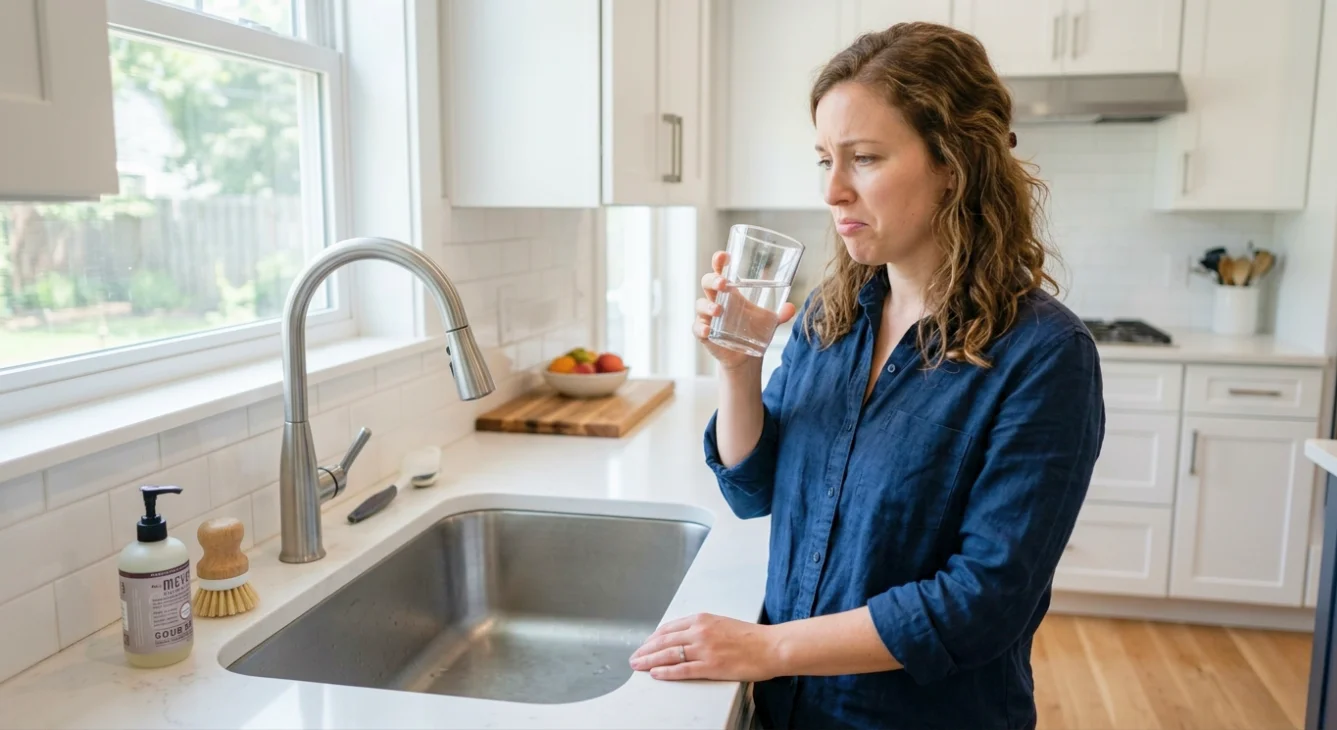
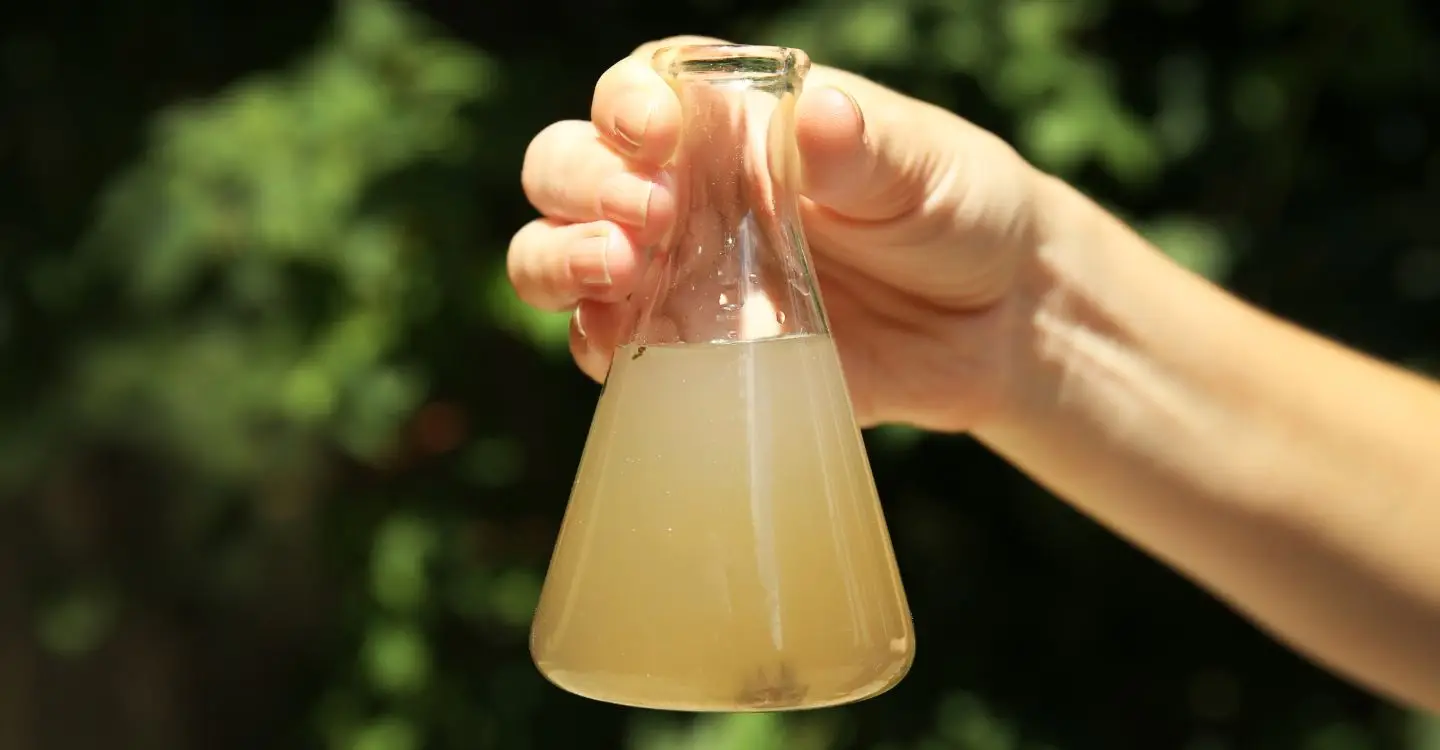
Staten Island is often celebrated for its suburban tranquility and historic charm, but for many residents, that peace has been interrupted recently by something far less pleasant: a distinct, localized stench. NYC VOC water testing experts help homeowners in affected areas determine whether these alarming odors are connected to volatile organic compounds contaminating their drinking water, using certified lab analysis to detect chemicals like benzene, toluene, and chloroform at trace levels that the nose alone cannot reliably identify. In early 2026, homeowners in neighborhoods like Bulls Head and Merrill Avenue have reported “sewer-like” odors that are so overwhelming they have prompted calls for city-wide health investigations.
While New York City’s water supply is famously high-quality, the water coming out of your tap is only as good as the system delivering it. When your water starts smelling like rotten eggs, bleach, or damp earth, it isn’t just a nuisance, it’s a diagnostic signal from your plumbing. For Staten Island residents, these smells often act as the first warning sign of decaying infrastructure, bacterial growth, or chemical imbalances that require professional attention.
The Rotten Egg Reek: Hydrogen Sulfide and Your Water Heater
The most common “scary” smell reported by homeowners is the unmistakable scent of rotten eggs. This is caused by hydrogen sulfide (H2S) gas. While the gas itself is usually harmless at the low concentrations found in tap water, the reason for its presence can vary.
1. The Water Heater Reaction If the smell only occurs when you run the hot water, the “big issue” is likely sitting in your basement. Most traditional water heaters contain a sacrificial anode rod, typically made of magnesium. This rod is designed to corrode so your tank doesn’t have to. However, in 2026, as water chemistry fluctuates, a reaction between the magnesium rod and sulfate-reducing bacteria in the tank can produce H2S gas. Replacing this with an aluminum or zinc-alloy rod often solves the problem.
2. Stagnation in the Lines If you smell sulfur in both hot and cold water, the issue may be localized in your building’s service line or the street main. When water sits stagnant, common in parts of the island with older, larger properties or guest suites, bacteria can thrive in low-oxygen environments. This is a primary focus of our services, where we help identify if the source is internal or municipal.
The Bleach Blast: Chlorine Spikes and System Maintenance
Does your shower occasionally smell like a public swimming pool? A strong chlorine or bleach-like odor is usually a sign of municipal intervention.
To keep the water safe from pathogens like E. coli, the NYC Department of Environmental Protection (DEP) adds chlorine. However, you may notice a sudden spike for a few reasons:
- Distance from the Plant: If you live near a secondary treatment site or a pumping station, your chlorine levels will naturally be higher.
- Seasonal “Shocking”: During the warmer months or after significant rain events, the city may increase chlorine levels to combat algae blooms in the reservoirs.
- Local Maintenance: If crews have recently repaired a water main in your neighborhood, they often “shock” the line with high doses of chlorine to ensure no bacteria entered the system during the fix.
While the city maintains that these levels are safe, many residents find the taste and smell intolerable. You can see which parts of the island are currently undergoing such maintenance by visiting our locations page.
The Earthy or Musty Aroma: Algae and Biofilm
A “musty” or “earthy” smell is often described as smelling like a damp basement or a forest floor. This is typically caused by naturally occurring organic compounds like geosmin.
In 2026, as climate patterns shift, our upstate reservoirs can experience late-season turnover or algae growth. While geosmin is non-toxic, the human nose is incredibly sensitive to it, detecting it at concentrations as low as 5 parts per trillion. However, if the smell is only coming from one specific sink, the “big issue” isn’t the city water, it’s a biofilm growing in your faucet aerator or the P-trap under your sink. This is one of the many topics we cover in our blog, helping residents distinguish between city-wide issues and household fixes.
The “Metallic” Taint: A Warning for Older Homes
If your water smells (or tastes) like a handful of pennies, you are likely dealing with high concentrations of metals. In Staten Island’s older housing stock, particularly in North Shore neighborhoods like St. George or West Brighton, this metallic odor is a major red flag for corroding pipes.
- Iron and Manganese: These are common in NYC water and, while mostly an aesthetic issue, they can stain laundry and fixtures.
- Lead and Copper: These are the real concerns. If your pipes are leaching lead, the water won’t always have a smell, but a metallic tang often accompanies high levels of copper leaching. Because lead is odorless and tasteless, a metallic smell should always prompt a professional lab test to rule out dangerous heavy metals.
Local Insight: Many Staten Island residents are currently dealing with “sewer-like” odors in the Bulls Head area. Local officials are investigating whether these smells are coming from the wastewater system or the drinking water infrastructure itself. If you live in this area, specialized testing is highly recommended.
How to Diagnose Your Water Odor at Home
Before calling in the experts, you can perform a simple “Glass Test” to narrow down the source:
- Fill a clean glass with water from the offending tap.
- Step away from the sink (to a different room).
- Swirl the water and sniff.
- If the water in the glass smells: The problem is in the water supply or your pipes.
- If the water in the glass has NO smell: The problem is actually your drain. Bacteria living on hair, soap scum, and food waste in the drain release gases that you smell only when the water pushes them up into the air.
For more detailed troubleshooting steps, our FAQ provides a comprehensive guide to common household water issues.
When an Odor Becomes a Health Risk
While most smells are “harmless” in the short term, they are rarely “normal.” In 2026, we are seeing more instances where a simple odor was the first symptom of a failing backflow preventer or a cross-connection between a boiler and the drinking water line.
If the smell is accompanied by:
- Nausea or headaches
- Sudden changes in water pressure
- Visible sediment or “flecking” in the water
- Skin irritation after showering
…it is time to stop guessing and start testing.
Final Thoughts for Staten Island Residents
Your nose is one of the best water-quality sensors you own. In a borough where infrastructure can range from 19th-century lead lines to 21st-century PEX, staying vigilant is key. An unusual smell is your home’s way of telling you that the chemistry has changed.
Don’t just mask the smell with a scented candle or a cheap pitcher filter. Get the data you need to ensure your home remains the safe haven it’s meant to be.
If you are concerned about a persistent or sudden odor in your Staten Island home, visit our contact page to schedule a professional, laboratory-grade water quality assessment today.