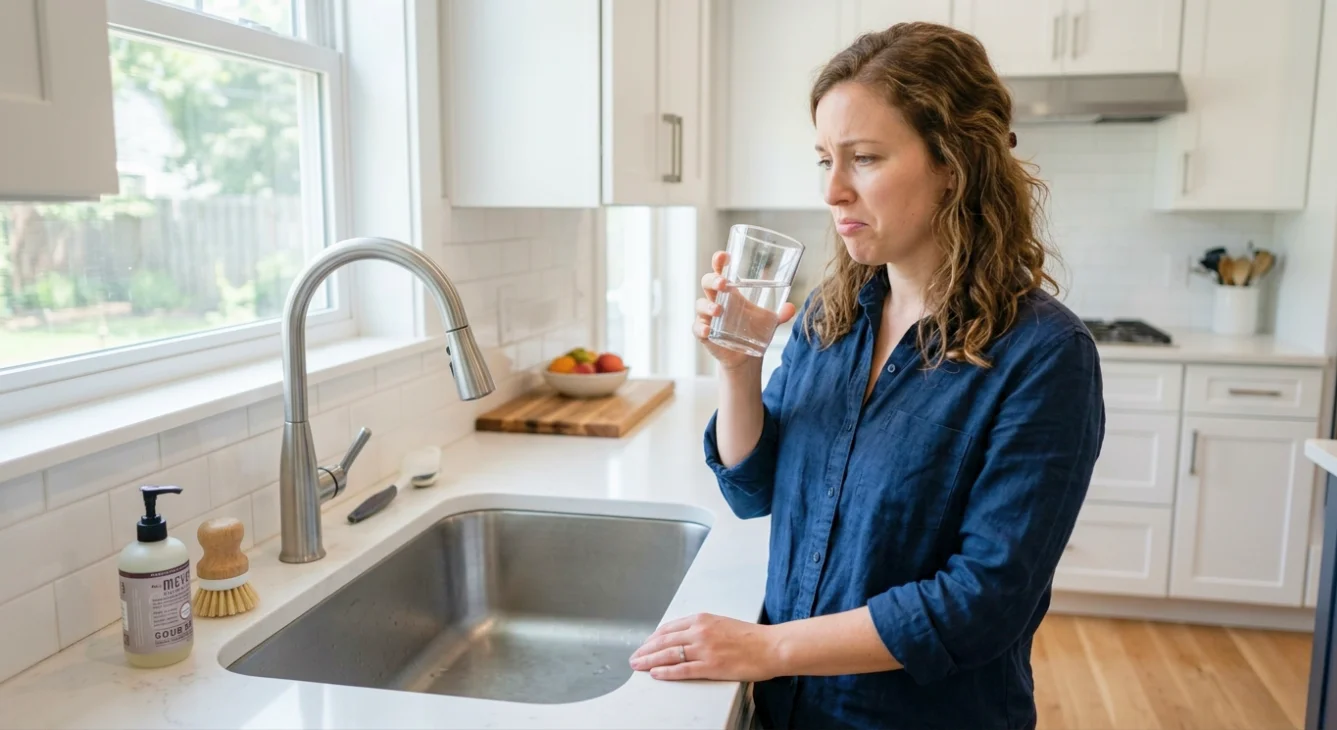
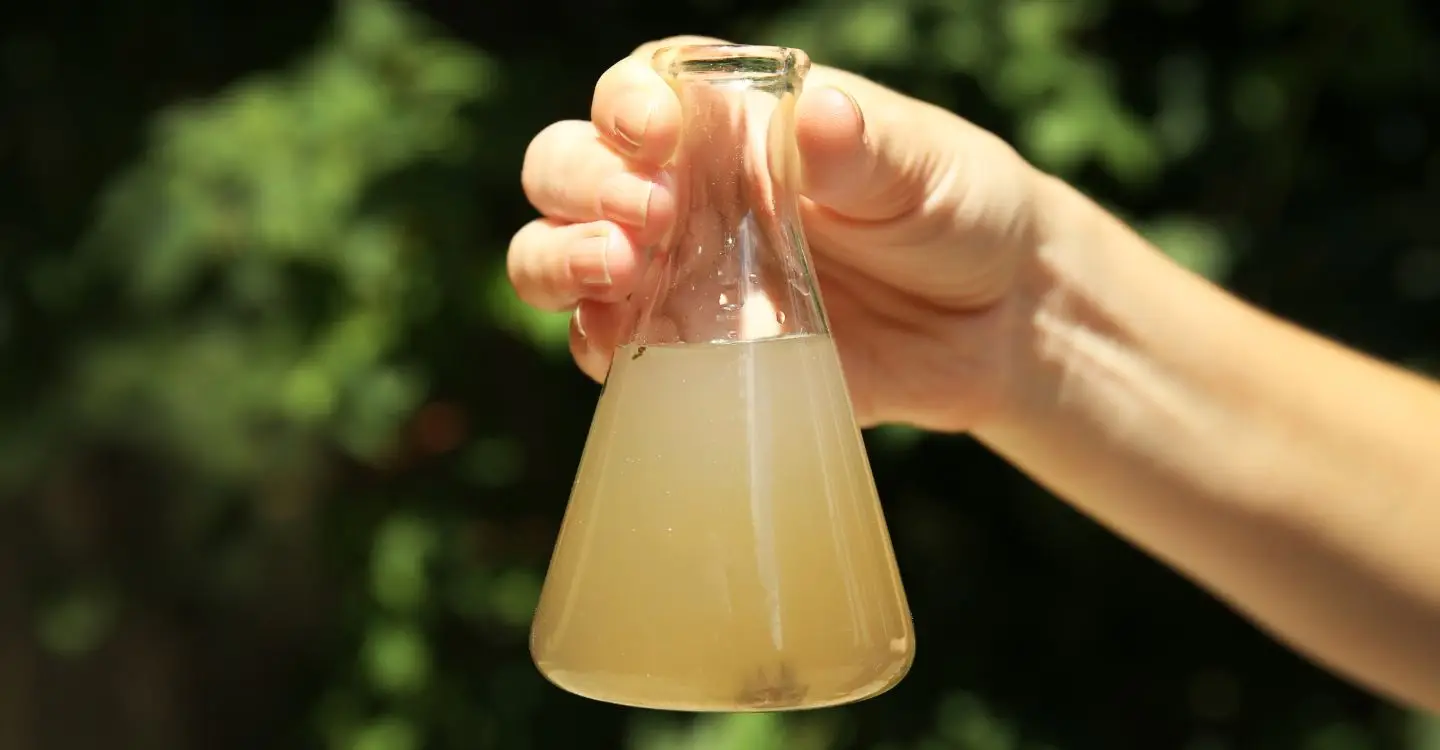
In the “Mile Square City,” renovation is a way of life. From the historic brownstones on Garden Street to the industrial-chic lofts near the North End, Hoboken homeowners invest heavily in modernization. However, as we move through 2026, many residents are facing a frustrating reality: even after a six-figure gut renovation, their drinking water is still failing professional safety tests.
If you’ve replaced your cabinets, floors, and even your internal plumbing, a failed water test can feel like a major setback. But in a city as old as Hoboken, the “safety gap” often lies in the areas a standard renovation doesn’t reach. Understanding why your “new” home might still have “old” water issues is the first step toward true peace of mind.
1. The Service Line: The Part You Didn’t Replace
The most common reason for a failed test in a renovated Hoboken home is the service line. This is the pipe that connects your building to the city’s water main under the street.
While a renovation typically updates the pipes inside your walls, it rarely addresses the line buried beneath your sidewalk. Many pre-war buildings in Hoboken still rely on original lead or galvanized steel service lines.
- The 2026 Mandate: As of February 2026, the City of Hoboken is aggressively pursuing its mandate to replace all lead service lines by 2031.
- The Gap: Unless your street was recently part of a city-funded replacement project, that old lead pipe is still delivering water to your brand-new kitchen faucet.
For residents who aren’t sure what their service line is made of, we offer specialized services to help identify these external risks.
2. The “Disturbance Effect” of Local Construction
Hoboken is currently a hub of infrastructure activity. Between the “Rebuild by Design” flood resistance projects and the ongoing water main replacements on Observer Highway, the ground is frequently shaking.
When heavy machinery operates near old pipes, the vibrations can dislodge “legacy scale” crusty mineral deposits inside the pipes that have absorbed lead over the decades. These lead-rich particles can travel into your home and get trapped in your brand-new faucet aerators. This “particulate lead” often causes a home to fail a safety test even if the water itself was relatively clear the week before. You can check our locations page to see if your neighborhood is currently in a high-impact construction zone.
3. Lead Solder: The Hidden “Post-1980s” Risk
Many homeowners assume that if their building was updated in the 1990s or early 2000s, it’s lead-free. However, the ban on lead solder wasn’t a clean break.
- Until the late 1980s, lead-based solder was still commonly used to join copper pipes.
- Even in renovations performed in the early 90s, “leftover” solder was often used by contractors.
If your renovation didn’t involve a total “down-to-the-studs” plumbing replacement, those old lead-soldered joints could still be leaching metals into your water. This is a topic we dive into deeply on our blog, where we discuss why “modern” doesn’t always mean “safe.”
4. Galvanized Pipes: The “Lead Magnets”
If your renovation was partial perhaps you only updated the kitchen but left the original plumbing in the bathroom or basement you likely have galvanized steel pipes.
In 2026, New Jersey officially recognizes galvanized pipes as a lead risk. Over time, these pipes trap lead particles passing through from the city’s old mains. Even if you replace the lead service line today, those remaining galvanized pipes inside your home act like a “lead sponge,” slowly releasing toxins back into your drinking water.
Pro Tip: If you see dull grey pipes in your basement that a magnet sticks to, you have galvanized steel. These are a primary reason for failed safety tests. Check ourFAQfor how to handle these specific plumbing materials.
5. High-End Fixtures and the “Lead-Free” Myth
Ironically, your expensive new brass faucet might be part of the problem. Until 2014, “lead-free” plumbing fixtures could legally contain up to 8% lead. While modern standards are much stricter (0.25%), older “new” fixtures from a renovation 10-15 years ago can still contribute to a failed test.
Furthermore, some high-end, imported fixtures may not meet the stringent NSF/ANSI 61 standards required for New Jersey homes.
What Should Hoboken Homeowners Do Next?
If you’ve recently renovated and are concerned about your water safety, don’t guess, verify.
- Flush Your Lines: After any construction or plumbing work, remove your aerators and run the cold water for 5 minutes to clear out debris.
- Request a “First-Draw” Test: This captures the water that has been sitting in your pipes overnight, which is the most accurate way to detect leaching from solder or fixtures.
- Check the City Map: See if your building is listed as having an “Unknown” or “Lead” service line on the Hoboken utility portal.
A renovation is an investment in your home’s future. Professional water testing is the final step in ensuring that investment protects your family’s health.
If you want to ensure your Hoboken renovation truly resulted in a safe home environment, visit our contact page to schedule a lab-certified water quality test.