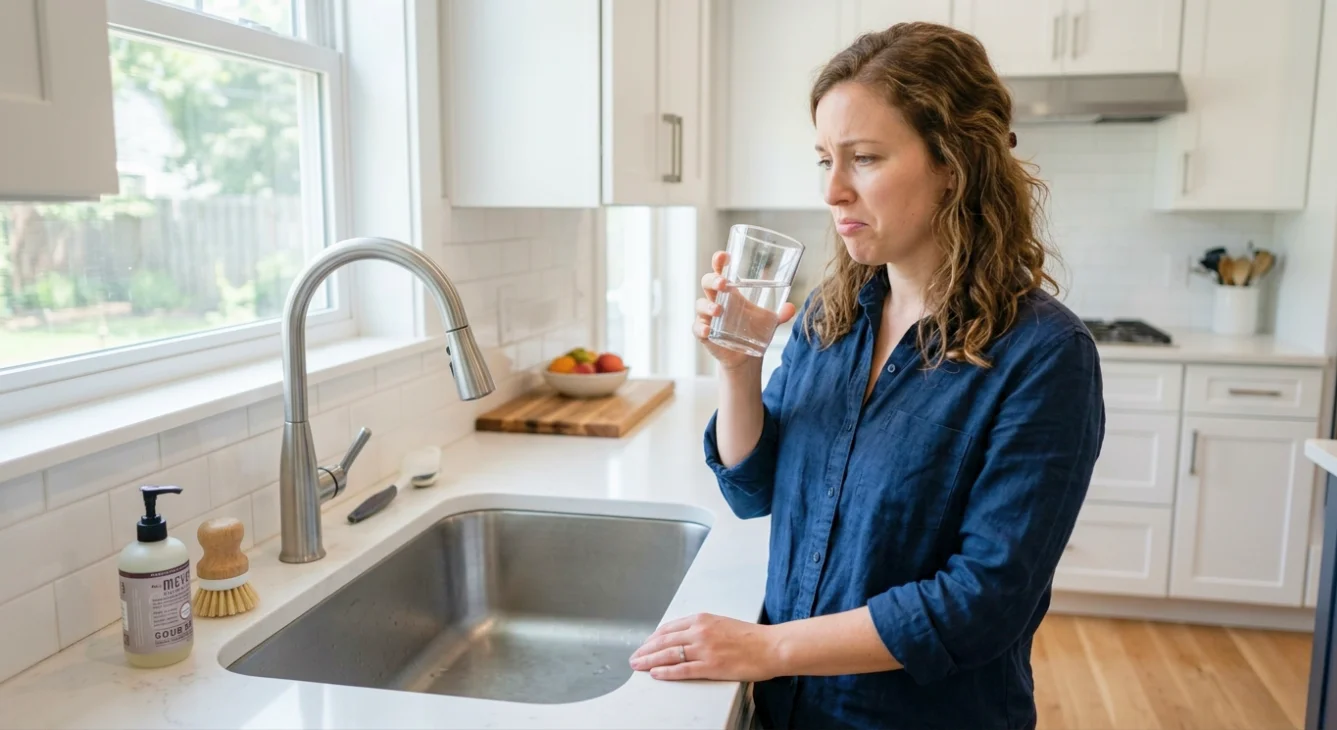
The water flowing from your kitchen tap is the most consumed “ingredient” in your home. We use it to hydrate, cook our meals, wash our produce, and brew our coffee. Certified drinking water testing in NYC ensures that this essential daily resource is truly safe by providing accredited laboratory analysis that detects contaminants your senses cannot, from lead and bacteria to PFAS and volatile organic compounds. Because we rely on tap water so heavily, it is easy to take its safety for granted, yet water quality is not a static condition; it can fluctuate based on environmental changes, aging municipal infrastructure, or private well malfunctions.
While some contaminants are invisible and odorless, your home often provides subtle and sometimes overt clues that your water supply may be compromised. Recognizing these warning signs is the first step in protecting your household, and professional testing is the most reliable way to gain clarity and peace of mind.
Here are ten common signs that your home’s water may be unsafe to drink.
1. Unusual Tastes or Odors
The most immediate indicators of poor water quality are often sensory. If your water tastes metallic, you might be dealing with dissolved iron, manganese, or copper leaching from pipes. A “rotten egg” smell is a classic sign of hydrogen sulfide, which, while generally not toxic at low levels, can indicate issues with your plumbing or water heater. Conversely, a bleach-like smell often points to an excess of chlorine added during municipal treatment. While chlorine is used to sanitize, higher-than-normal levels can be irritating and suggest an imbalance in the system.
2. Visible Particles or Sediment
If you notice brown, orange, or black flecks in your glass, it is a clear signal that something is entering your water line. These particles are often signs of pipe corrosion or sediment buildup in your water heater. Whether it is rust from aging galvanized pipes or mineral deposits, the presence of sediment suggests that your home’s water filtration—or lack thereof—is failing to catch debris that shouldn’t be there.
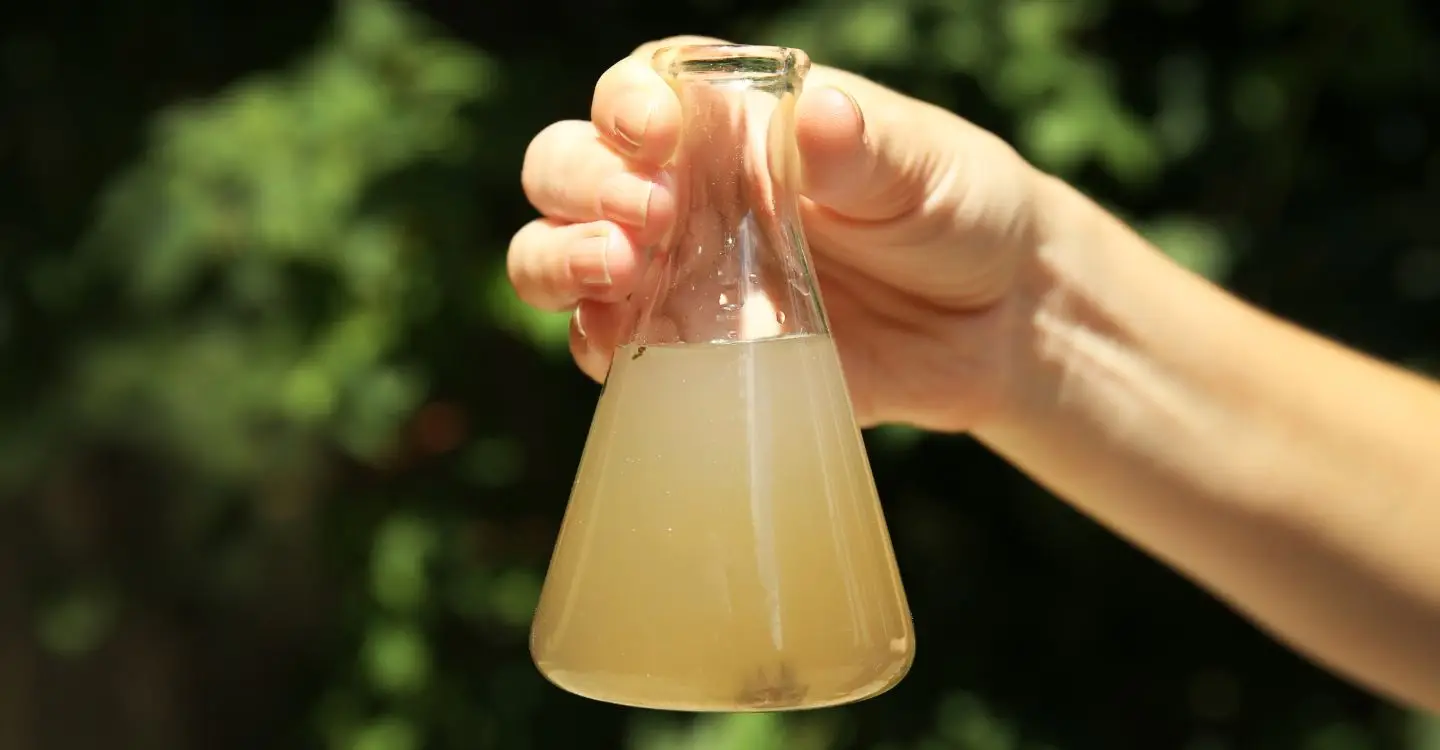
3. Discolored Water
Water should be crystal clear. If it appears yellow, brown, or cloudy, you should stop drinking it immediately. This discoloration is often caused by high concentrations of iron, manganese, or sediment, but it can also be a sign of a larger problem, such as a water main break in your area. If you live in an area prone to such issues, checking our local resources can help you determine if your neighborhood is experiencing documented infrastructure challenges.
4. Stains on Plumbing Fixtures
Look at your sinks, tubs, and showerheads. Are there persistent orange, red, or blue-green stains? These are not just cosmetic annoyances. Orange or red stains typically indicate high levels of iron, while blue-green stains are a hallmark of acidic water (low pH) corroding copper pipes. When water is acidic enough to eat away at your plumbing, it is likely leaching copper and other metals into your drinking supply.
5. Sudden Skin or Hair Issues
Sometimes, the evidence isn’t in the glass, but on your body. If you notice your skin feels excessively dry, itchy, or irritated after a shower, or if your hair feels brittle or lackluster, “hard water” might be the culprit. While hard water (high mineral content) is not typically toxic, it can be a significant irritant. In some cases, unexpected skin reactions can also be a sensitivity to the chemical disinfectants used in municipal water supplies.
6. Frequent Plumbing and Appliance Failures
Water quality deeply impacts your home’s longevity. If your dishwasher, washing machine, or ice maker is failing prematurely, or if you frequently deal with clogged aerators on your faucets, your water chemistry is likely to blame. High mineral buildup—or “scale”—acts as a thermal insulator, forcing your water heater to work harder and increasing your energy bills. Addressing these symptoms through our full list of services can prevent costly repairs down the line.
7. A Change in Water Pressure
While a sudden loss of pressure can be a mechanical issue with your pump or a city water shutoff, it can also indicate a buildup of sediment in your pipes. When heavy mineral deposits or rust flakes accumulate over time, they physically restrict the flow of water. If you notice a gradual decrease in pressure throughout your home, it is worth investigating what exactly is flowing through your lines.
8. Strange Noises from Your Water Heater
Your water heater is a great indicator of water quality. If you hear popping, rumbling, or knocking sounds coming from the tank, it is likely due to a layer of mineral sediment at the bottom. As the burner heats the water, trapped pockets of steam escape through the sediment, causing the noise. This buildup is a primary reason to check your water’s mineral content. For more information on common plumbing-related water concerns, explore our frequently asked questions.
9. You Rely on a Private Well
If your home is not connected to a municipal water system, you are the de facto water manager. Private wells are susceptible to contamination from agricultural runoff, nearby septic systems, or flooding. According to the Environmental Protection Agency (EPA), private well owners are responsible for testing their own water for contaminants like nitrates and bacteria. Because these contaminants are invisible, the only way to ensure your well water is safe is through regular, professional lab testing.
10. Neighborhood Reports or “Boil Water” Advisories
Sometimes, the sign that your water is unsafe comes from external sources. If your local utility issues a “boil water” advisory, it is a non-negotiable directive to avoid drinking the tap water without boiling it first to kill potential bacteria or pathogens. If you notice these advisories becoming frequent in your area, it may be time to consider a permanent residential filtration solution.
What to Do Next
If you recognize one or more of these signs, don’t panic—but do take action. The first step is to gather data. Assumptions can lead to unnecessary worry or, worse, overlooked health risks.
You can reach out through our contact page to schedule a professional analysis. By identifying exactly what is in your water, you can move toward a targeted solution, whether that involves a simple filter, a water softener, or a more comprehensive treatment system. Understanding your water is the first step toward a healthier home environment. For ongoing insights into home water maintenance, visit our latest blog posts.