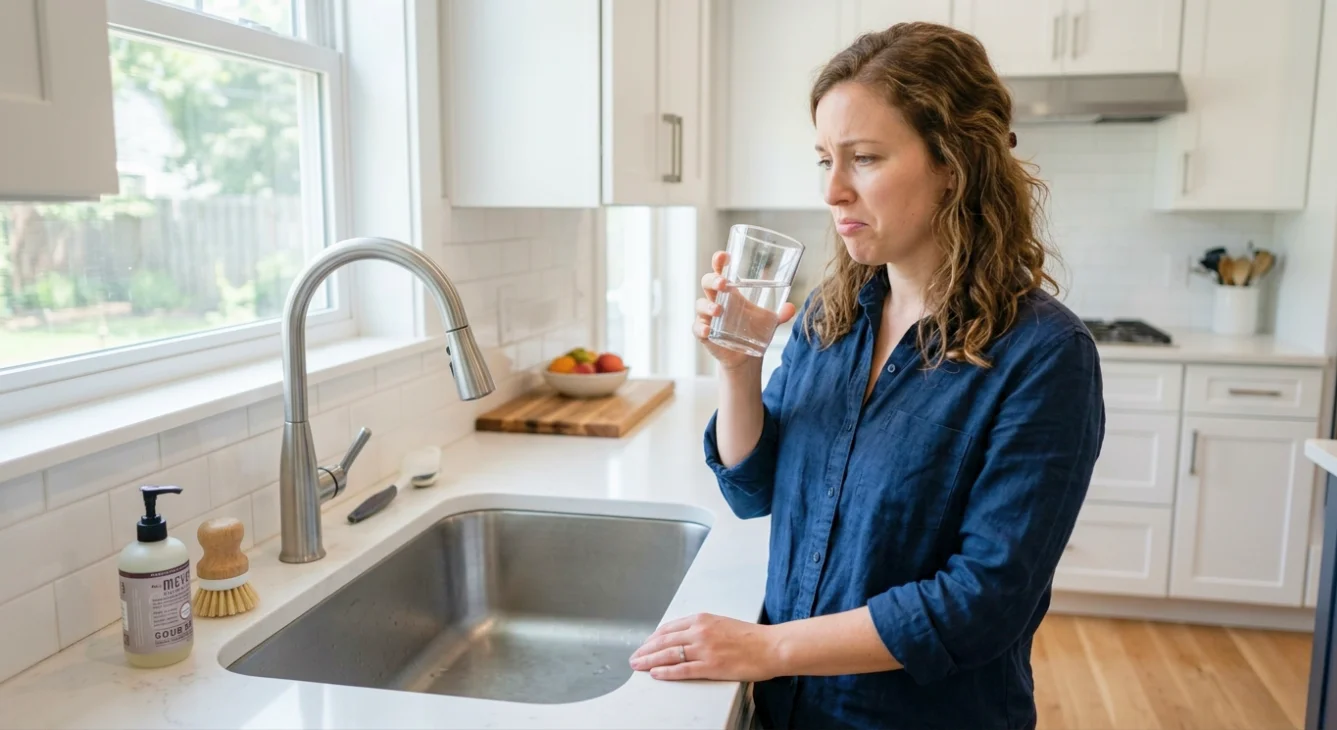
There is a distinct charm to living in an older home—the character of original hardwood, the history behind the walls, and the unique architectural details that simply aren’t replicated in modern construction. However, along with that charm comes an infrastructure that was designed for a different era. One of the most frequently overlooked aspects of an aging property is the plumbing system, which serves as the silent circulatory system of your home.
When pipes reach a certain age, they don’t just become less efficient; they can begin to actively impact the quality of the water you drink, cook with, and use for bathing. Understanding these challenges is the first step in ensuring that your home’s water remains safe and refreshing.
The Reality of Aging Plumbing Materials
Many homes built before the 1980s were constructed using materials that were industry standards at the time but are now known to be problematic. Galvanized steel, lead, and older copper piping each come with their own set of potential water quality risks.
1. Galvanized Steel and Corrosion
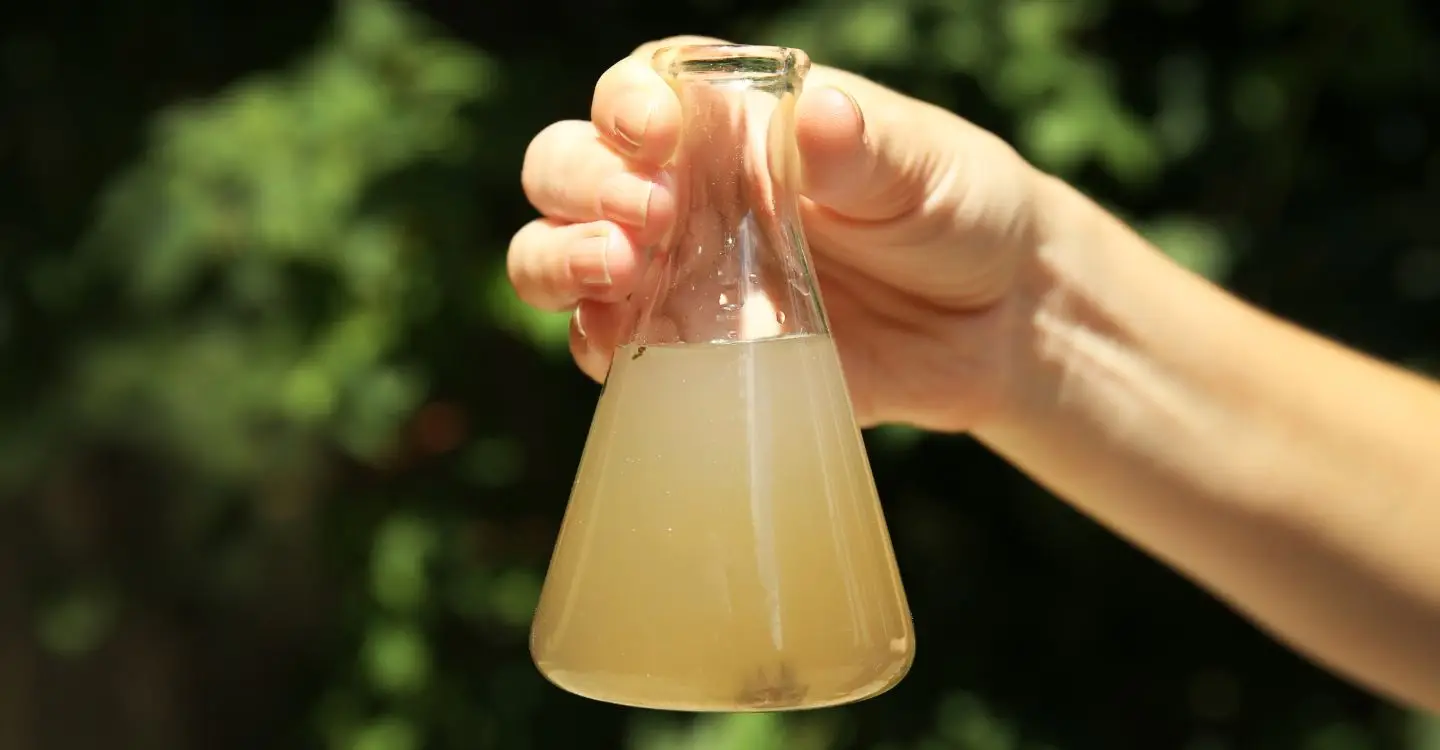
Galvanized steel pipes—steel pipes coated with a protective layer of zinc—were the norm for decades. While durable initially, that zinc coating eventually wears off after 40 to 60 years. Once exposed, the steel begins to rust. As this corrosion progresses, it introduces iron particles into your water, which can result in reddish or brownish discoloration and a distinct metallic taste. Beyond the aesthetics, this rust acts as a breeding ground for biofilm—a slimy layer of bacteria that can thrive inside the pipe, potentially compromising your water’s safety.
2. Lead Solder and Service Lines
The most significant concern in older homes is the presence of lead. Before the 1986 federal ban, lead was commonly used in plumbing fixtures, fittings, and the solder that joined copper pipes together. Even if your internal pipes have been partially updated, the service line connecting your home to the municipal water main might still be made of lead. Because lead is odorless and tasteless, you cannot detect it without professional water testing. Chronic exposure to lead is a well-documented health risk, particularly for children and pregnant women, making regular analysis a non-negotiable part of maintenance for owners of older properties.
3. Copper and Acidic Water
While copper is a more modern standard, it isn’t indestructible. If the water in your area is naturally acidic (low pH), it can corrode copper pipes over time. This process is known as “leaching.” It can lead to “pinhole leaks”—tiny, slow drips that often occur inside walls where they can’t be seen—and can result in copper levels in your drinking water that exceed safe health guidelines.
The Hidden Culprit: Sediment and Scale Buildup
Even if your pipes are not actively leaching metals, the passage of time encourages another issue: the accumulation of mineral scale and sediment.
Over decades, calcium and magnesium from hard water form a hard, rock-like buildup on the interior walls of your pipes. This does two things: it narrows the diameter of the pipe, which restricts water flow and reduces pressure, and it creates a rough surface that catches and holds sediment. When municipal water pressure shifts—due to a fire hydrant being opened, a water main break, or a construction project—this accumulated material can break loose and suddenly appear as cloudy or dirty water in your home.
Local Factors and Modern Disruptions
It’s easy to assume that if the city says the water is safe, it’s safe at your tap. However, the water chemistry provided by the city is designed for general distribution. When that water interacts with your specific local plumbing, the results can be unpredictable.
Furthermore, many older homes were designed for much lower water usage than today’s households. Modern high-pressure appliances and increased daily usage can put stress on antiquated valves and joints, leading to leaks or pressure surges that further disrupt the sediment inside your aging pipes.
Proactive Steps for Older Homes
If you live in a home with aging infrastructure, you don’t necessarily need a full-scale repipe on day one. Instead, follow these steps to manage your water quality:
- Test Your Water: A comprehensive analysis is the only way to know if your pipes are contributing contaminants like lead, iron, or copper to your water.
- Flush the System: If you haven’t used a specific tap in several hours, let the cold water run for a few minutes before using it for drinking or cooking. This clears out water that has been sitting stagnant in the pipes, which is where metals are most likely to leach.
- Use Cold Water: Never use water from the hot water tap for drinking or cooking. Hot water is much more effective at dissolving metals and picking up mineral sediment from your water heater and pipes.
- Consult the Experts: If you are unsure about the age or material of your plumbing, a professional inspection can provide peace of mind. Many common concerns can be addressed with targeted filtration or water treatment solutions. You can find answers to many typical questions in our FAQ section.
Conclusion
Your home’s age doesn’t have to dictate the quality of your water. By being aware of the common issues associated with older plumbing and staying proactive with regular testing, you can enjoy the history of your home without worrying about what’s flowing through the taps.
For more maintenance tips and insights into keeping your home environment healthy, browse our blog. If you’re concerned about your water quality, contact us today to schedule a professional evaluation. Knowledge is the most effective tool for protecting both your family and your home’s value.