The process of buying your first home is a whirlwind of inspections, mortgage applications, and visions of future renovations. Amidst the excitement of checking for structural integrity, roofing quality, and electrical safety, one critical component often gets left off the checklist: the water.
Many first-time buyers assume that if the home is connected to a municipal supply, or if it passed a cursory inspection, the water quality is a non-issue. Unfortunately, this is a dangerous assumption. Water quality is highly variable, influenced by both the source and the specific plumbing within the home you are about to purchase. Incorporating water testing into your pre-purchase due diligence is not just a safety precaution—it is a vital financial and health investment for your future.
The Hidden Variables of Your New Home
When you buy a house, you are essentially “inheriting” the water chemistry of that property. Even if you are moving into a brand-new neighborhood, the quality of water can change dramatically based on its source.
The Well Water Wildcard
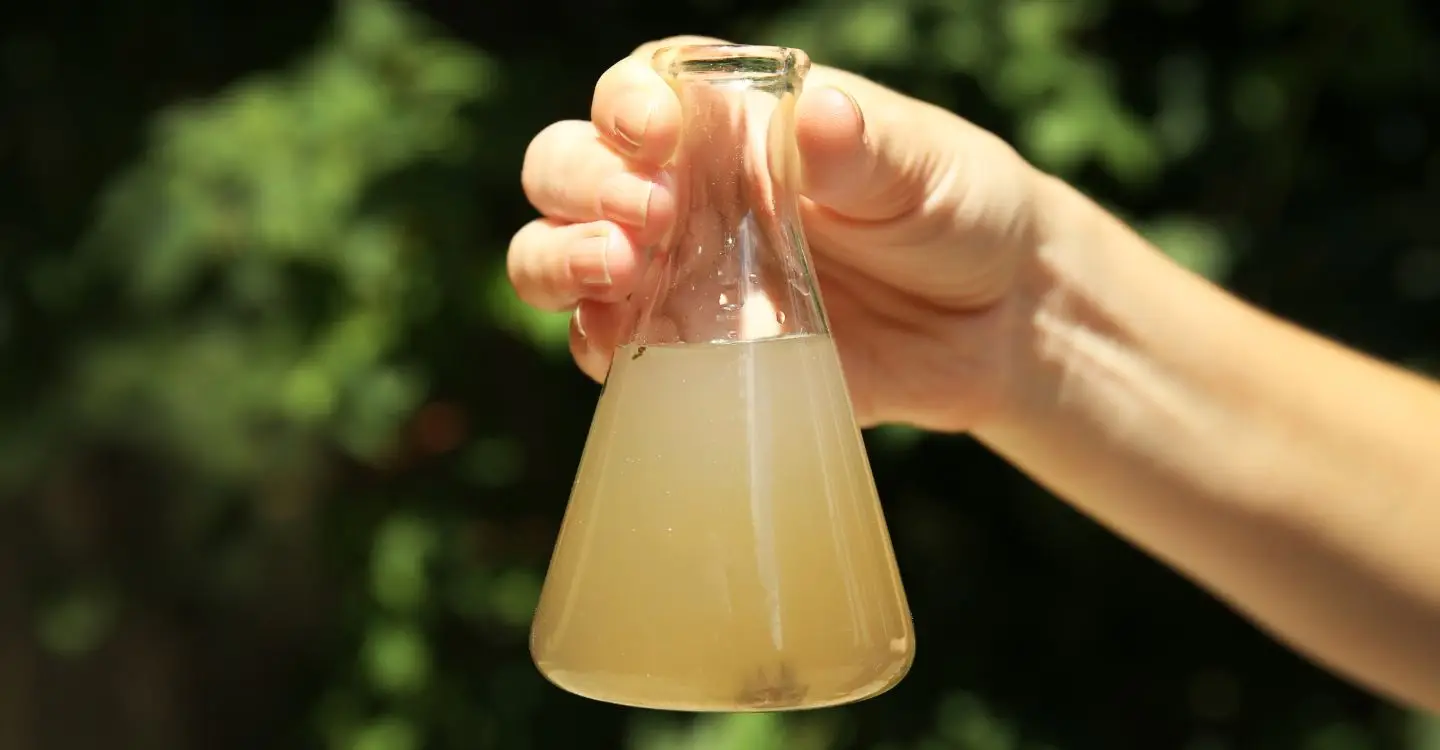
If your dream home relies on a private well, testing is mandatory. Unlike city water, which is treated and tested by a utility provider, a private well makes you the sole “water company.” You are responsible for everything—from the presence of coliform bacteria to levels of naturally occurring minerals like arsenic or manganese. A property might have a well that functions perfectly well mechanically but produces water that is hazardous to consume or damaging to your plumbing.
The Aging Infrastructure Factor
If you are buying an older home, you are likely inheriting older pipes. Materials like lead, galvanized steel, and even aged copper can significantly alter the water flowing through them. Even if the municipal water is perfect at the street level, it may be picking up contaminants like lead or copper as it passes through the house’s internal service lines and fixtures. These issues are invisible, odorless, and tasteless, making them impossible to detect during a standard home walkthrough.
Why “City Water” Isn’t Always “Perfect Water”
It is a common misconception that city water is always clean. Municipal facilities certainly meet legal safety standards, but “legal” and “ideal” are two very different things.
- Hardness Issues: Many regions have “hard water,” characterized by high mineral content. While safe to drink, hard water is brutal on appliances. As a first-time buyer, you don’t want to be blindsided by a water heater that fails in two years or a dishwasher that gets coated in white, chalky scale because of mineral buildup.
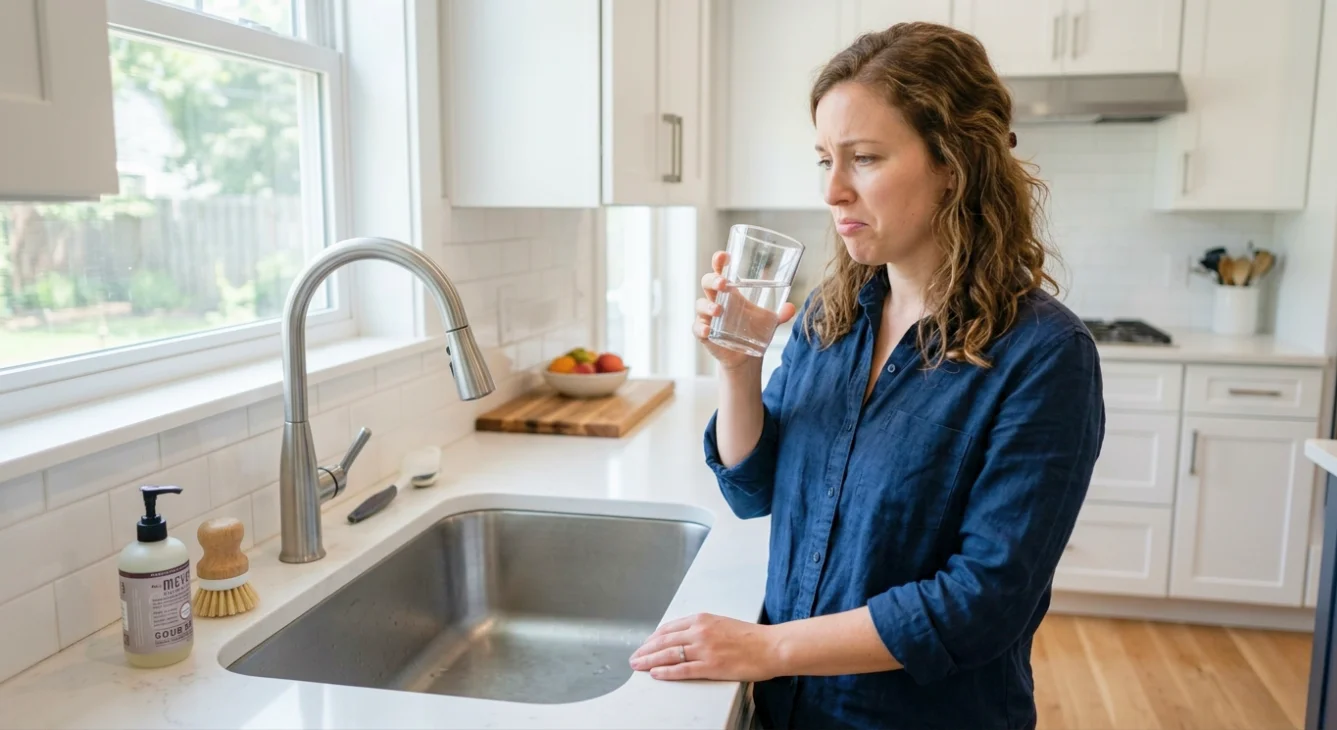
- Aesthetic Quality: Chlorine levels, sulfur, and other aesthetic factors can affect the taste and smell of your water. You might find that the water is perfectly “safe” but so unpleasant to drink that you end up spending hundreds of dollars a year on bottled water or filtration systems.
- The “Final Mile”: The water utility is only responsible for the water until it reaches the water meter. Once it enters your property’s plumbing, the quality is entirely dependent on your own pipes.
Understanding the “Local” Context
Water quality is a local issue. The environmental factors—such as local agricultural practices, industrial runoff, or regional geology—define what is in your water.
Professional testing services provide more than just a list of numbers; they offer an interpretation of those numbers within your specific area. They can tell you if your water issues are standard for your neighborhood or if they indicate a unique problem that requires specialized treatment. Understanding your local profile is essential for effective, long-term services that don’t just “mask” the problem but actually solve it.
The Financial Impact of Ignoring Water Quality
As a new homeowner, you are already managing a budget for taxes, maintenance, and insurance. The last thing you want is an unexpected plumbing disaster.
Corrosive, acidic water can cause “pinhole leaks” in your pipes—the kind that happen behind walls and under floors. These leaks often go unnoticed until they have caused significant water damage, leading to mold remediation, drywall repair, and expensive plumbing overhauls. By testing before you sign the closing papers, you can negotiate these costs, or at the very least, budget for the necessary water treatment systems (like a neutralizer or a softener) before your pipes are damaged beyond repair.
How to Get Started
You don’t need to be a scientist to secure your home’s water quality. The process is straightforward, and the peace of mind is well worth the effort.
- Request a Test During Your Inspection Period: Add water testing to your list of home inspections. It is a small, one-time fee that yields massive long-term value.
- Ask the Right Questions: Once you have the results, talk to the experts. If you have questions about the report, our FAQ section is a great place to start understanding common results.
- Plan for Treatment: If the test reveals hard water, high iron, or other issues, look at them as part of your “home setup” budget. Installing the right equipment from day one will extend the life of your home’s appliances and protect your plumbing system for years to come.
According to the CDC’s guidance on private water systems, responsible ownership starts with regular data gathering. Even if the home is on public water, the EPA encourages homeowners to monitor the quality of the water at their taps to ensure that the internal plumbing is not adding contaminants.
Conclusion
Buying your first home is an investment in your future. You wouldn’t skip the home inspection, so don’t skip the water inspection. By identifying potential issues early, you gain the knowledge to protect your health, your appliances, and your plumbing system from the start.
For more helpful guides on home ownership and water management, keep an eye on our blog. If you are ready to ensure your new home is truly safe, contact us to schedule an analysis. Start your journey as a homeowner with confidence, knowing exactly what’s in your water.