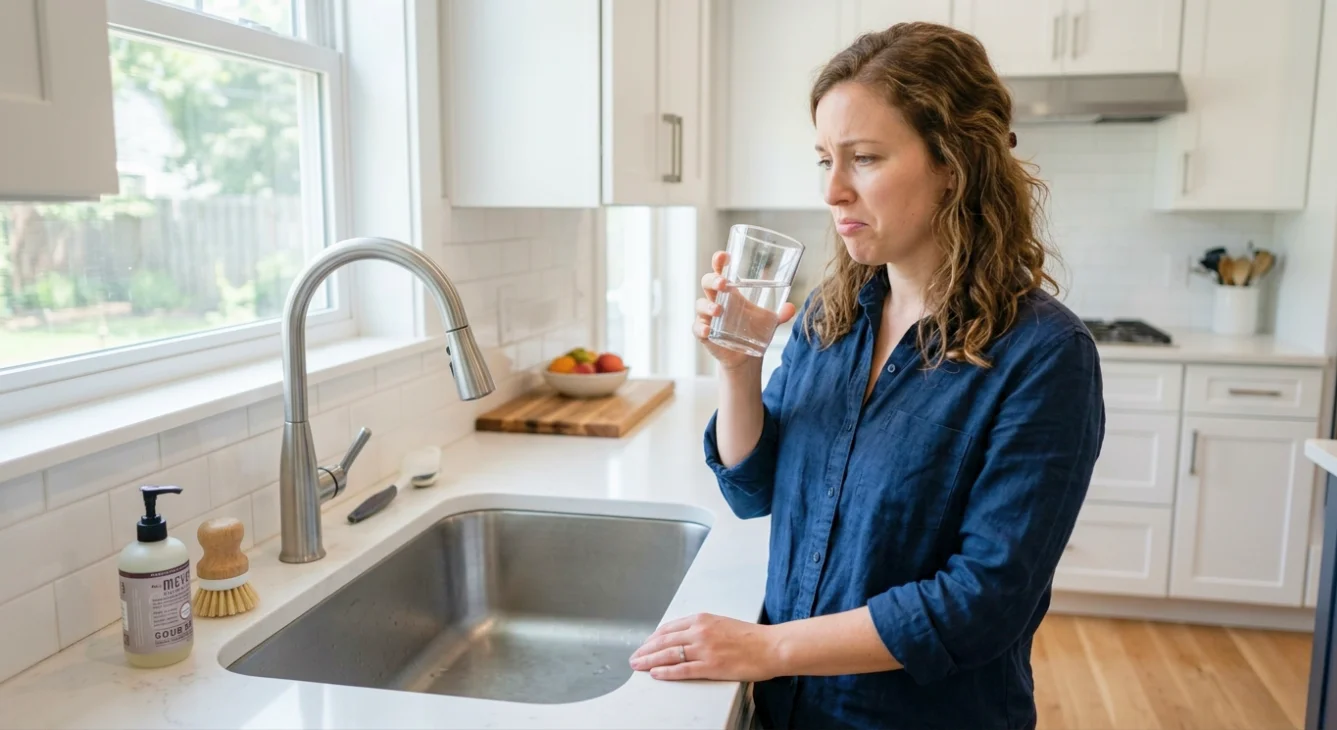
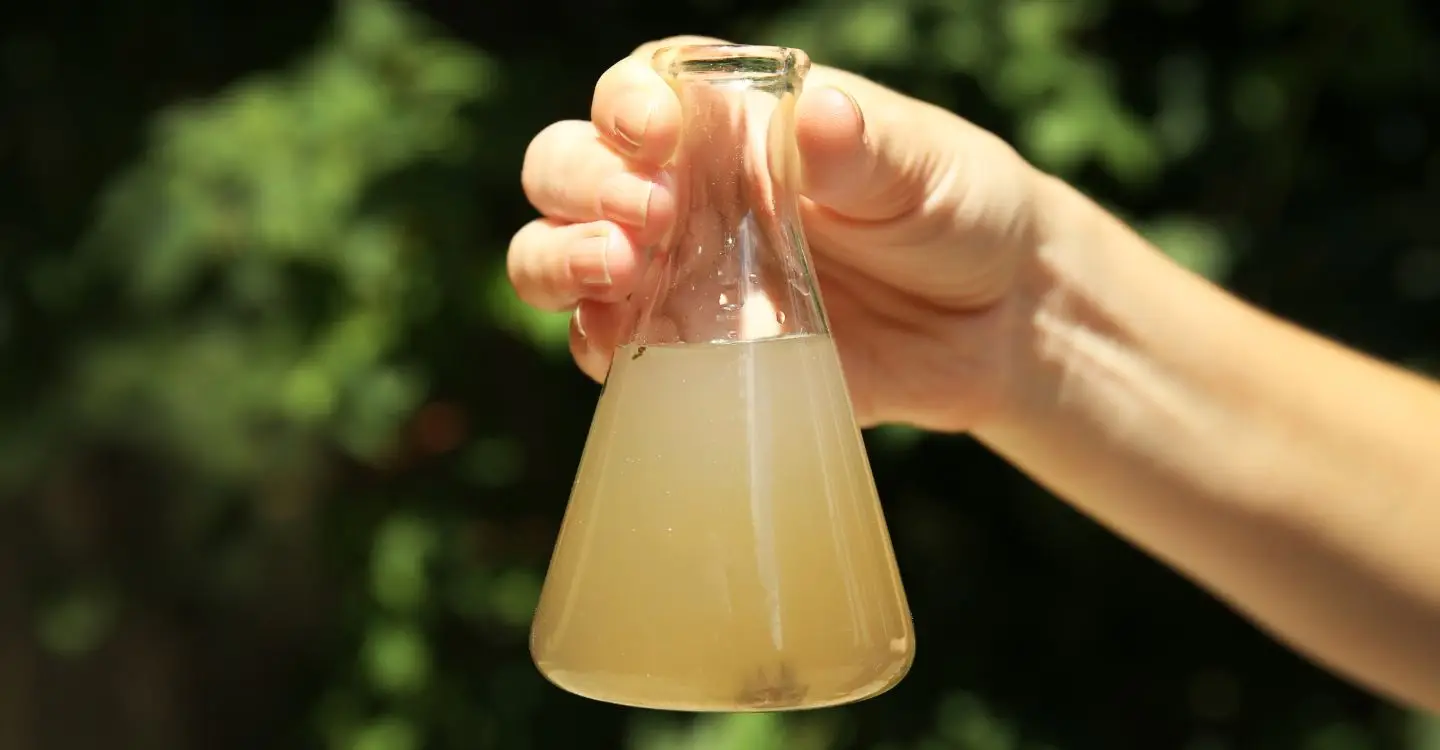
The glass of water you pour from your kitchen tap is something you likely consume multiple times a day without a second thought. While municipal water treatment plants and private well systems work to deliver clean, potable water, the reality is that water traveling through your home’s pipes is susceptible to a wide variety of contaminants. Environmental water testing in NYC is the most effective way to identify these hidden threats, using certified laboratory methods to screen for lead, bacteria, PFAS, pesticides, and dozens of other pollutants that can infiltrate your supply without any visible warning signs.
Understanding what can end up in your drinking water is the first step toward effective home maintenance. Some contaminants are easily detected by taste or smell, while others, often the most dangerous ones, are completely invisible and odorless, making professional testing the only way to truly know what is in your water.
1. Lead and Heavy Metals
Lead is perhaps the most notorious drinking water contaminant. It does not occur naturally in most water sources; instead, it typically enters your water after it leaves the treatment plant. Lead leaches from aging service lines, lead pipes, or plumbing fixtures that use lead-based solder. Because it is tasteless, odorless, and colorless, there is no sensory way to detect its presence.
EcoPureHome+ 1
Other heavy metals, such as copper, arsenic, and mercury, can also be present. Copper often leaches from household pipes when the water is acidic (having a low pH), while arsenic is frequently a naturally occurring element found in groundwater, particularly in certain geographic regions.
Water Quality Association
2. Microbial Contaminants (Bacteria, Viruses, and Parasites)
Microbes are a primary concern for homeowners, especially those on private well systems. These contaminants include E. coli, coliform bacteria, Giardia, and Cryptosporidium. They often enter water sources through runoff from agricultural sites, leaking septic systems, or flooding.
CDC
These organisms can cause acute gastrointestinal illness, leading to symptoms like nausea, vomiting, and diarrhea. If you notice a sudden change in your water’s quality following heavy rains or if your household is experiencing unexplained health issues, scheduling specialized services is a critical precaution.
3. Nitrates and Nitrites
Nitrates are chemical compounds frequently found in fertilizers, manure, and sewage. If your property is near agricultural areas or relies on a well that is not properly protected, these chemicals can seep into the groundwater. While low levels are common in some areas, high concentrations are particularly dangerous for infants, as they can interfere with the blood’s ability to carry oxygen, a condition known as methemoglobinemia, or “blue baby syndrome.”
Water Quality Association
4. Disinfection Byproducts
Public water utilities use chlorine or chloramine to disinfect water and kill harmful pathogens. This is a vital process for public health. However, as these disinfectants interact with naturally occurring organic matter in the water supply, they can create chemical byproducts, such as trihalomethanes. While regulations exist to keep these levels safe, long-term exposure to high concentrations of certain byproducts is a topic of ongoing EPA health studies.
EcoPureHome
5. Hardness Minerals (Calcium and Magnesium)
Hard water is a common, though generally non-toxic, residential issue. It occurs when water picks up high concentrations of calcium and magnesium as it travels through soil and rock. While these minerals are not harmful to drink, they are detrimental to your home’s infrastructure.
Bluonics
Hard water leaves behind “scale” or mineral deposits in your pipes, water heaters, and dishwashers, often leading to reduced water pressure and appliance failure. You might notice soap scum on your shower doors or find that your soap doesn’t lather well—these are classic signs of hard water.
Bluonics+ 1
6. Emerging Contaminants: PFAS
“Forever chemicals,” or PFAS (per- and polyfluoroalkyl substances), have become a significant focus of water quality research in recent years. These man-made chemicals were widely used in industrial and consumer products for decades. Because they do not break down easily in the environment, they have permeated many groundwater sources. Research into their long-term health effects is ongoing, and many municipalities are now proactively testing for these substances.
EWG
7. Hydrogen Sulfide (The “Rotten Egg” Smell)
If you turn on your tap and are hit with the distinct scent of rotten eggs, you are likely dealing with hydrogen sulfide. This gas is usually produced by sulfur-reducing bacteria in your well or water heater. While it is generally more of an aesthetic nuisance than a health threat, it can be corrosive to your plumbing and is often a sign that your well system needs a thorough cleaning or maintenance check.
Bluonics
Why Your “Local” Context Matters
Water quality is rarely uniform across a city or county. Factors such as local industrial history, proximity to farms, the age of the housing stock, and even the specific depth of your well play a role in your water’s chemical makeup. This is why browsing local resources is so valuable; understanding the common issues in your specific area helps you know exactly what to screen for during your next water analysis.
How to Protect Your Home
Bluonics+ 2
You don’t need to be a chemist to manage your home’s water quality. The path to clean, safe water is built on three pillars:
- Awareness: Pay attention to changes in taste, odor, or color, and be mindful of your home’s plumbing age. Water Quality Association
- Documentation: If you have questions about specific contaminants, consult our frequently asked questions for clear, accessible information.
- Verification: Periodic professional water testing is the only way to replace guesswork with data. Whether you need a simple mineral check or a comprehensive scan for heavy metals and pesticides, getting a lab-verified report allows you to choose the right filtration or treatment system for your specific needs.
If you suspect your water quality is not what it should be, or if you simply want a baseline for your home, please reach out via our contact page. We are here to provide the insights you need to keep your water safe, refreshing, and clean. For more tips on maintaining a healthy household, check out our latest blog articles.