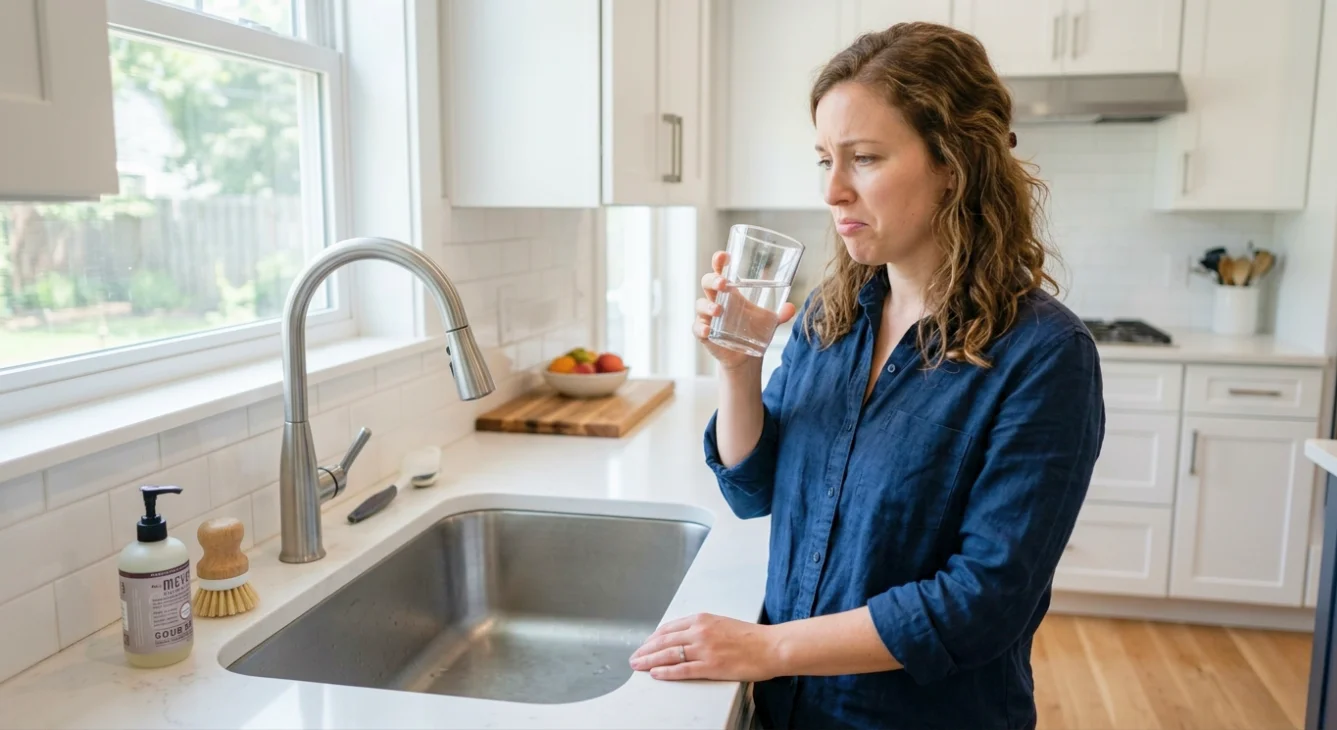
When you turn on the kitchen tap to fill a glass for your child or boil water for dinner, your expectation is simple: the water should be clean and safe. While most municipal water utilities work diligently to treat water before it leaves the plant, the journey that water takes through miles of underground infrastructure—and eventually, the plumbing within your own walls—presents risks that every homeowner should understand. Among these concerns, lead remains one of the most significant and misunderstood threats to household health.
Lead is a potent neurotoxin that has no place in your family’s drinking supply. Unlike bacteria, which might cause immediate illness, or hard water, which leaves visible mineral deposits, lead is insidious. It is tasteless, odorless, and colorless. Because it doesn’t leave a sensory clue behind, the only way to know if your family is at risk is through professional water testing.
How Does Lead Enter Your Tap?
It is a common misconception that lead is naturally present in your water source. In reality, lead rarely originates at the water treatment facility. Instead, it enters your water supply through the corrosion of plumbing materials.
If your home was built before the mid-1980s, there is a higher statistical probability that your plumbing system includes lead-based components. These can include:
- Lead Service Lines: The pipe that carries water from the city’s main line into your home.
- Lead Pipes: Older plumbing found within the walls of historic or aging homes.
- Lead Solder: Before it was banned in 1986, lead-based solder was the industry standard for connecting copper pipes. Over time, as this solder corrodes, it releases lead particles into the water flowing past it.
Even in newer homes, some brass or chrome-plated fixtures can contain lead. When water sits stagnant in these pipes—such as overnight or during the workday—it has more time to leach these metals, leading to higher concentrations at the tap when you first use the water in the morning.
Why Lead is Particularly Dangerous for Children
While lead exposure is a health concern for adults, it is a critical developmental threat to children. A child’s body is still in a state of rapid development, and their physiological systems are uniquely susceptible to damage from environmental toxins.
According to the Environmental Protection Agency (EPA), there is no known safe level of lead in a child’s blood. Even low-level, long-term exposure can lead to:
- Developmental Delays: Lead can interfere with brain development, potentially impacting cognitive abilities.
- Behavioral Issues: Research has linked childhood lead exposure to increased risks of hyperactivity and learning disabilities.
- Physical Health Impacts: Lead can affect the growth of bones, the function of the kidneys, and the development of the nervous system.
Because children consume more water relative to their body weight than adults do, their potential intake of contaminants is proportionately higher. For parents, understanding the lead status of their water is not just about home maintenance—it is a fundamental aspect of proactive childcare.
Detecting the Undetectable
Because you cannot taste, smell, or see lead, you cannot rely on your senses to judge your water’s safety. Many homeowners ask if “home kits” from a local store are sufficient, but these kits are often limited in sensitivity and scope.
For the most accurate results, you need a professional lab analysis. Professional testing provides a precise reading of lead concentrations, allowing you to compare your findings against federal action levels. This data is essential; it takes the guesswork out of your next move. If a test confirms the presence of lead, you can make informed decisions about installing specific filtration systems or replacing aging plumbing sections.
The Importance of Local Context
Water quality is not universal. The risk of lead leaching into your water is often tied to the “aggressiveness” or chemistry of your water supply—specifically its pH level. Water that is acidic is much more likely to corrode pipes and leach metals than water that is balanced.
Furthermore, your neighborhood’s infrastructure age plays a major role. Understanding the history of your home and your local water utility’s infrastructure can help you better assess your risks. You can use our local locations guide to learn more about the water quality trends in your area and determine if you are in a neighborhood where older infrastructure is a known concern.
Taking Control of Your Home’s Health
If you are concerned about lead or any other potential water quality issue, remember that you are not powerless. Knowledge is the first step in remediation.
- Schedule a Test: If you haven’t had your water analyzed, or if you have moved into an older home recently, contact our team to schedule a professional evaluation.
- Understand the Report: Once you have your results, don’t feel overwhelmed by the technical language. Our FAQ section is designed to help you interpret lab findings and understand the next steps for ensuring your water is safe.
- Implement Solutions: If lead is detected, there are proven ways to manage it, ranging from point-of-use filtration systems to plumbing upgrades.
Your home should be a sanctuary. By making water quality a part of your regular home maintenance routine, you are taking a crucial step in ensuring your family’s environment is as safe as possible. To stay up-to-date on best practices and emerging water quality topics, check out our latest blog articles.