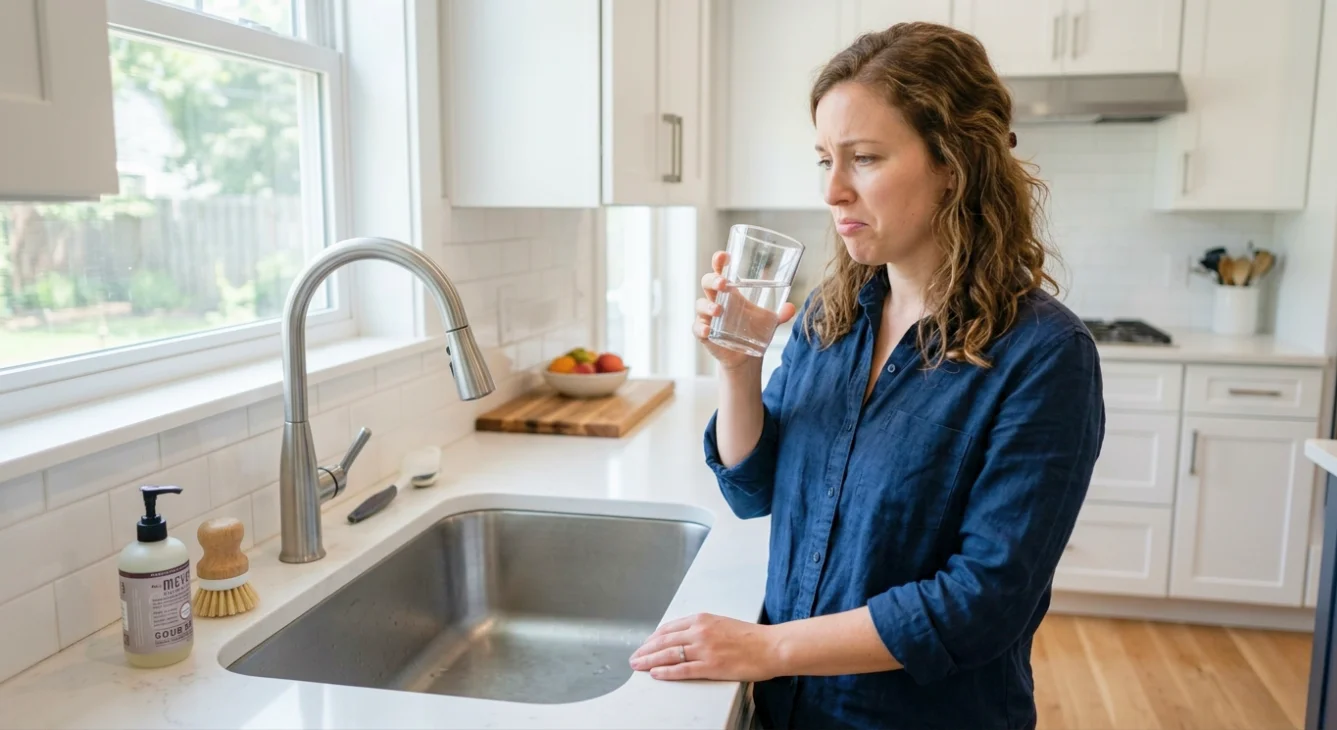
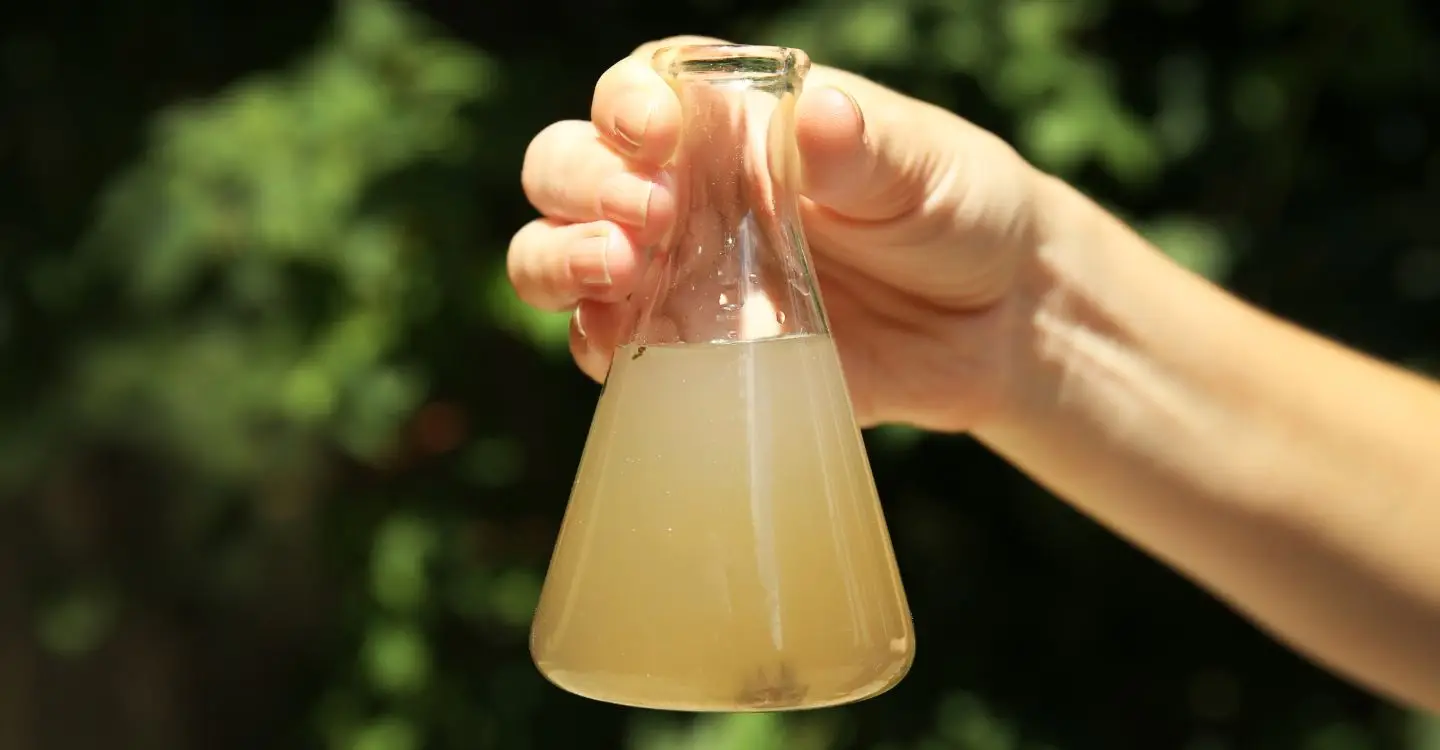
We often take for granted that the water coming out of our taps should be clear, odorless, and flavorless. When that changes—even slightly—it can be incredibly unsettling. Whether you notice a metallic tang, a sulfurous smell, or a strange, musty taste, your water is trying to tell you something.
While some changes in water quality are harmless, others may indicate a breakdown in your plumbing system or a shift in your source water quality. Understanding the root causes of these issues is the first step toward restoring your home’s water to its crisp, refreshing state. By utilizing professional water testing, you can move past guesswork and identify exactly what is happening in your pipes.
Common Culprits Behind Water Odors
Water odors are often the most noticeable sign of a problem because our sense of smell is incredibly sensitive. If you find yourself holding your breath when you turn on the faucet, consider these common causes:
1. The “Rotten Egg” Smell (Hydrogen Sulfide)
The most notorious water odor is the smell of sulfur or rotten eggs. This is almost always caused by hydrogen sulfide gas. It can occur in both well water and municipal systems. In wells, it is often produced by sulfate-reducing bacteria. In city water, it may indicate a problem with your water heater’s anode rod, which can react with minerals in the water to produce hydrogen sulfide gas when the water sits in the tank.
2. Musty or Earthy Odors
If your water smells like dirt or rotting leaves, it is often due to the breakdown of organic matter. In municipal supplies, this can occur when seasonal algae blooms in surface water reservoirs leave behind harmless but smelly compounds. If you have a private well, however, a musty odor can sometimes point to bacterial contamination in the well casing or plumbing.
3. Chlorine or Chemical Smells
If your tap water smells like a swimming pool, it is likely due to chlorine, which is intentionally added by municipal water treatment plants to disinfect the supply. While it keeps the water safe, high levels can be unpleasant. If the smell is very strong, it may also indicate that your water has a high organic load, forcing the utility to increase chlorine levels to compensate.
Decoding Strange Tastes
Taste is a complex sense, and our water can pick up a variety of flavors depending on what it interacts with on its journey from the source to your glass.
- Metallic Taste: This is very common, especially in older homes. It is frequently caused by iron, copper, or manganese leaching into the water. This often happens because acidic water is corroding your home’s internal pipes. If you notice this, it is worth looking into our services to see if a neutralizer or filtration system can protect your plumbing.
- Salty Taste: A salty or bitter flavor often points to high levels of total dissolved solids (TDS), such as chlorides or sulfates. This can be a sign of environmental runoff or, in coastal areas, even seawater intrusion into groundwater.
- Plastic or Fuel-Like Taste: This is rare and concerning. It can sometimes indicate that plastic pipes are degrading or that a fuel spill has contaminated the local groundwater. If your water has a chemical or fuel-like taste, stop drinking it immediately and contact a professional.
The Role of Local Geology and Infrastructure
Water quality issues are rarely “one-size-fits-all.” What impacts your neighbor’s water may not affect yours. This is because local geology plays a massive role in the chemical composition of your water.
In some areas, the bedrock is rich in iron, leading to constant metallic tastes and staining. In others, agricultural runoff might introduce nitrates or other compounds that alter the flavor profile. Furthermore, the age of your home’s plumbing matters. Even if the water leaving the municipal plant is perfect, the pipes in your home may be decades old, introducing sediment and metal ions that affect both taste and odor.
How to Get to the Bottom of It
If your water has developed an off-putting taste or odor, the worst thing you can do is ignore it or rely on a simple pitcher filter to hide the problem. While a filter might improve the taste, it doesn’t solve the underlying issue—which could be anything from a failing water heater to a bacterial colony in your pipes.
According to the Centers for Disease Control and Prevention (CDC), while most public water systems are safe, private well owners have the sole responsibility to monitor their water quality. Even if you are on city water, testing is the only way to confirm that your home’s internal plumbing is not contributing to the issue.
Taking Proactive Steps
If you are dealing with persistent taste or odor issues, here is the recommended path forward:
- Isolate the Source: Does the smell only happen with hot water? If so, the issue is likely your water heater. If it happens at every faucet, the source is likely your main supply line.
- Consult the FAQ: Many homeowners share the same concerns. Check our FAQ section to see if your specific issue has a common, known solution.
- Schedule Professional Testing: A lab analysis can pinpoint the exact chemical composition causing the smell. You can’t treat a problem if you don’t know exactly what it is.
- Discuss Treatment: Once you have the data, you can implement a targeted solution, such as a water softener, an iron filter, or a carbon-based system designed to strip out odors.
Conclusion
You shouldn’t have to “get used to” bad-tasting or smelly water. Your home’s water should be clean and refreshing. When it isn’t, it’s an invitation to investigate your home’s infrastructure.
For more insights into maintaining the health and safety of your water system, browse our latest blog posts for tips on home maintenance and water quality management. If you are ready to get the answers you need, please contact us today. We can help you identify the source of the problem and ensure your home’s water is as pure as it should be.
Don’t let a strange smell or taste linger—take control of your home’s water quality today.