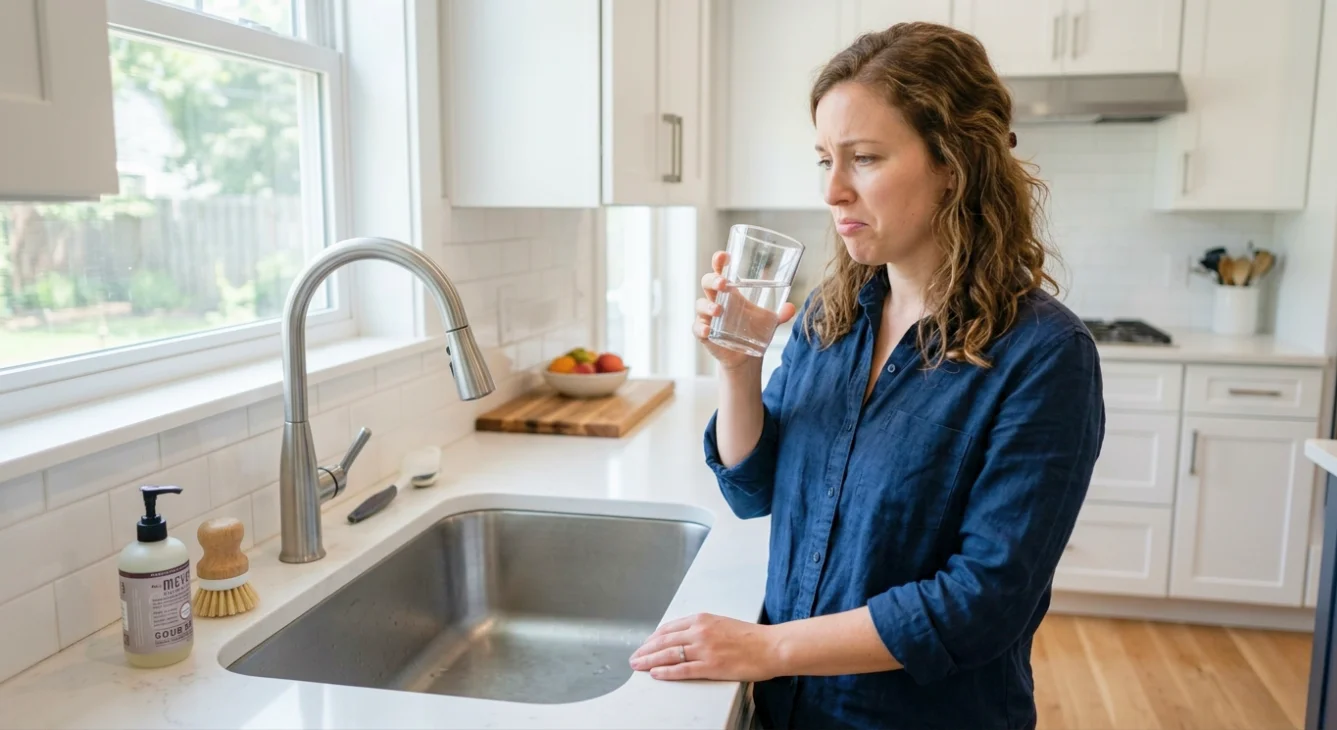
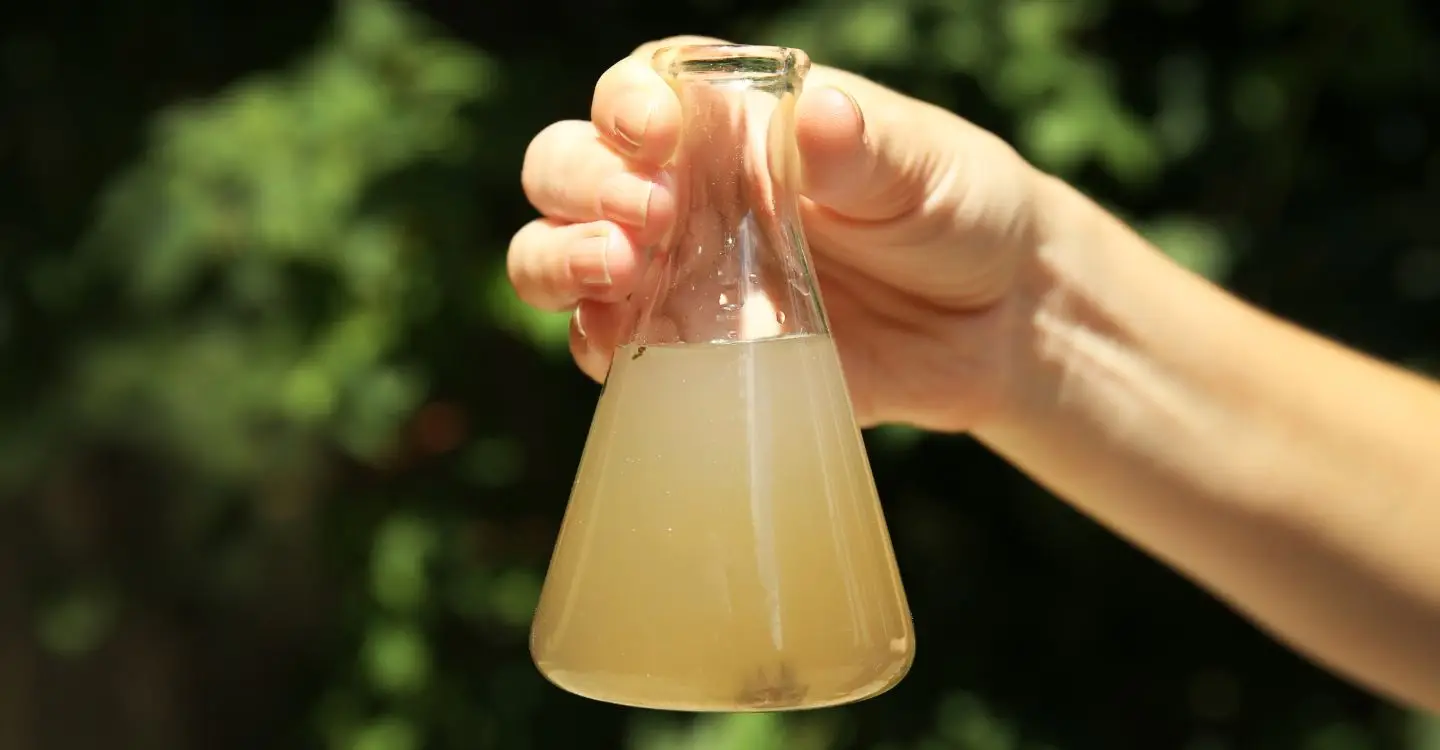
When we think of home safety, our minds often jump to immediate, visible concerns: fire detectors, secure locks, or sturdy roofing. Yet, one of the most critical elements of a healthy home—the water running through your taps—is often invisible, odorless, and completely overlooked. Hidden water contamination is a silent reality for many homeowners, and because the signs are often not immediately obvious, the damage can accrue over months or even years.
Protecting your home and your family requires a shift in mindset. It means moving away from the assumption that “clear water” equals “safe water” and embracing a proactive approach to water testing. By understanding how contaminants enter your system and what you can do to stop them, you can safeguard your health and your home’s longevity.
The Invisible Enemies: Understanding Potential Contaminants
Water is an incredibly effective solvent, which means it picks up a variety of substances as it travels from the source to your kitchen sink. While municipal treatment plants do a commendable job of purifying water, they cannot control what happens once that water leaves their facility and enters the aging network of neighborhood lines or your home’s private plumbing.
1. Heavy Metals
Lead and copper are perhaps the most concerning “hidden” contaminants in residential systems. They often originate from the materials the pipes themselves are made of. In many older homes, lead solder or aging service lines can leach heavy metals into the water, especially if the water chemistry is slightly acidic. Because these metals have no taste or smell, they are completely undetectable without professional analysis.
2. Biological Contaminants
If your home relies on a private well, you are the water utility. This means your water is susceptible to runoff from heavy rainfall, agricultural activities, or failures in septic systems, which can introduce bacteria like E. coli or coliform into your supply. Even in municipal systems, major main breaks or pressure losses can occasionally lead to boil-water advisories—proof that the system is not as impervious as we would like to believe.
3. Emerging Chemical Contaminants
Beyond the traditional list of regulated contaminants, there are emerging concerns like PFAS (per- and polyfluoroalkyl substances)—often called “forever chemicals”—and various volatile organic compounds (VOCs). These substances can seep into groundwater from industrial sites or widespread environmental contamination, and they require highly sophisticated laboratory equipment to detect.
Why Your Home’s Plumbing is the Final Filter
It is a common misconception that water quality is determined solely by the water utility. In reality, your home’s internal plumbing acts as a final, uncontrolled stage in the water delivery process.
The Environmental Protection Agency (EPA) emphasizes that while public water systems are monitored, once water enters private property, the responsibility for its safety often shifts to the homeowner, especially concerning the impact of internal piping materials. If your pipes are corroded, leaking, or composed of outdated metals, they can undo all the purification work done at the treatment plant. This is why testing your water at the tap is vastly different from relying on a city-wide annual report.
The Local Context: Tailoring Your Strategy
Water quality is not a universal experience; it is deeply tied to where you live. Local geology, soil composition, and the age of the infrastructure in your specific neighborhood define the risks you face. For instance, homes in areas with high limestone deposits may struggle with extreme hardness, while homes near industrial corridors might face different chemical risks.
Because of these regional variables, generic, one-size-fits-all advice on filtration is rarely effective. You need to know your specific water profile before you invest in treatment services. A system designed to remove iron will do absolutely nothing for lead or arsenic, and a standard softener will not address VOCs. Professional testing is the diagnostic step that prevents you from wasting money on the wrong equipment.
Proactive Protection: A Simple Framework
You don’t need to be a water scientist to keep your home safe. A systematic approach to water management can provide peace of mind and protect your family.
- Establish a Baseline: If you have never had your water tested, start today. A comprehensive analysis establishes a baseline, telling you exactly what is present in your water right now.
- Monitor for Changes: Keep an eye out for “aesthetically hidden” signs. Does your water suddenly have a metallic taste? Do you see blue-green staining in your sinks? These are often physical clues that your water chemistry has changed and that your pipes are reacting to that change.
- Know Your Answers: The world of water quality can be technical, but it doesn’t have to be confusing. Utilize resources like our FAQ section to understand common terms, abbreviations, and what “MCL” (Maximum Contaminant Level) actually means for your health.
- Invest in Targeted Solutions: If your test results reveal specific issues, address them directly. Whether it is a whole-home filtration system, a point-of-use reverse osmosis unit for drinking water, or a water softener to protect your appliances, focus on solutions that solve the specific contaminants identified in your lab report.
The Value of Professional Analysis
While retail store test kits are popular for their convenience, they provide a very narrow, “screening-level” view of your water. They may detect that something is “off,” but they rarely provide the precise measurements needed to choose the correct filtration technology.
According to the World Health Organization (WHO), consistent and accurate water quality monitoring is a cornerstone of public health. When you utilize a professional laboratory, you are accessing the same level of accuracy that municipal agencies use, ensuring that the data guiding your decisions is reliable.
Conclusion
Hidden water contamination is a reality, but it is a manageable one. You don’t have to live with the uncertainty of what might be in your glass or your shower. By taking the step of professional testing, you move from a position of guesswork to a position of informed control.
Maintaining a safe home is a continuous process, not a one-time event. Keep up with the latest tips on home health and maintenance by checking our blog regularly. If you have questions about your specific water supply or are ready to schedule a professional analysis, please contact us today. Your home’s water quality is the foundation of your family’s health—don’t leave it to chance.