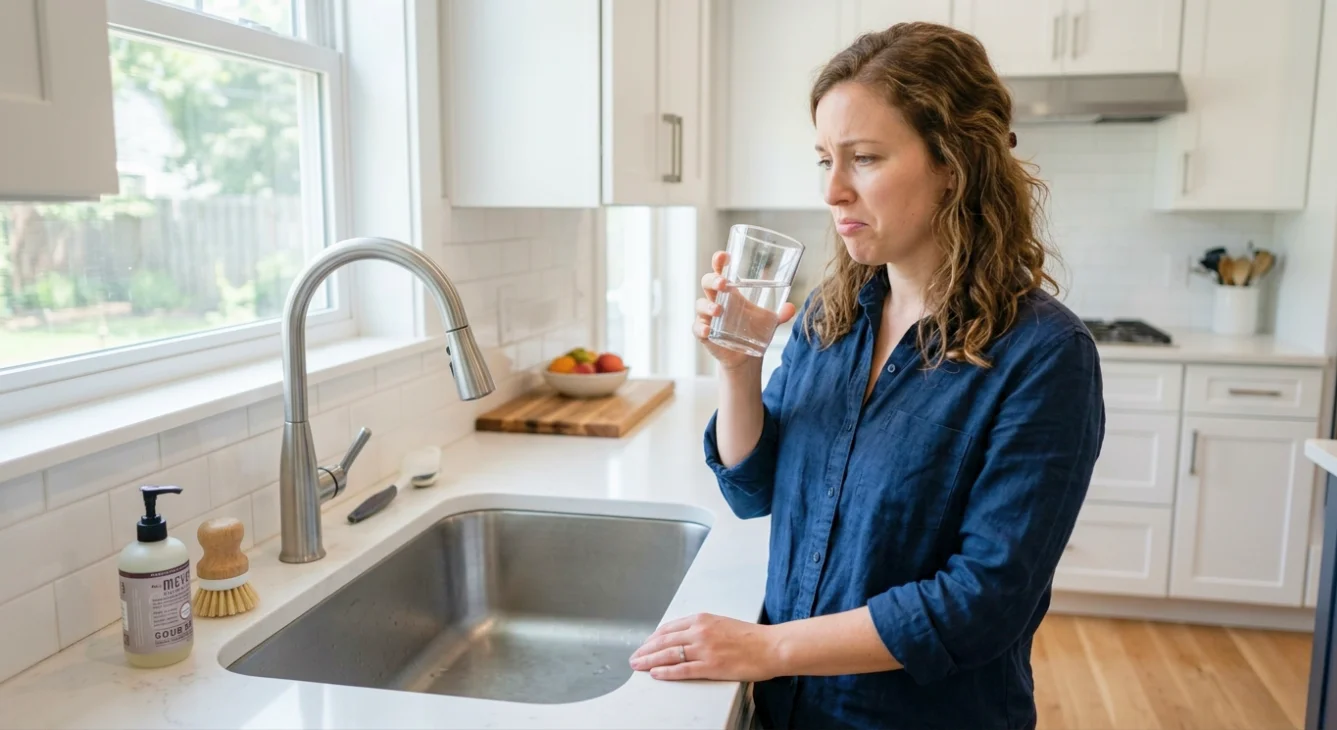
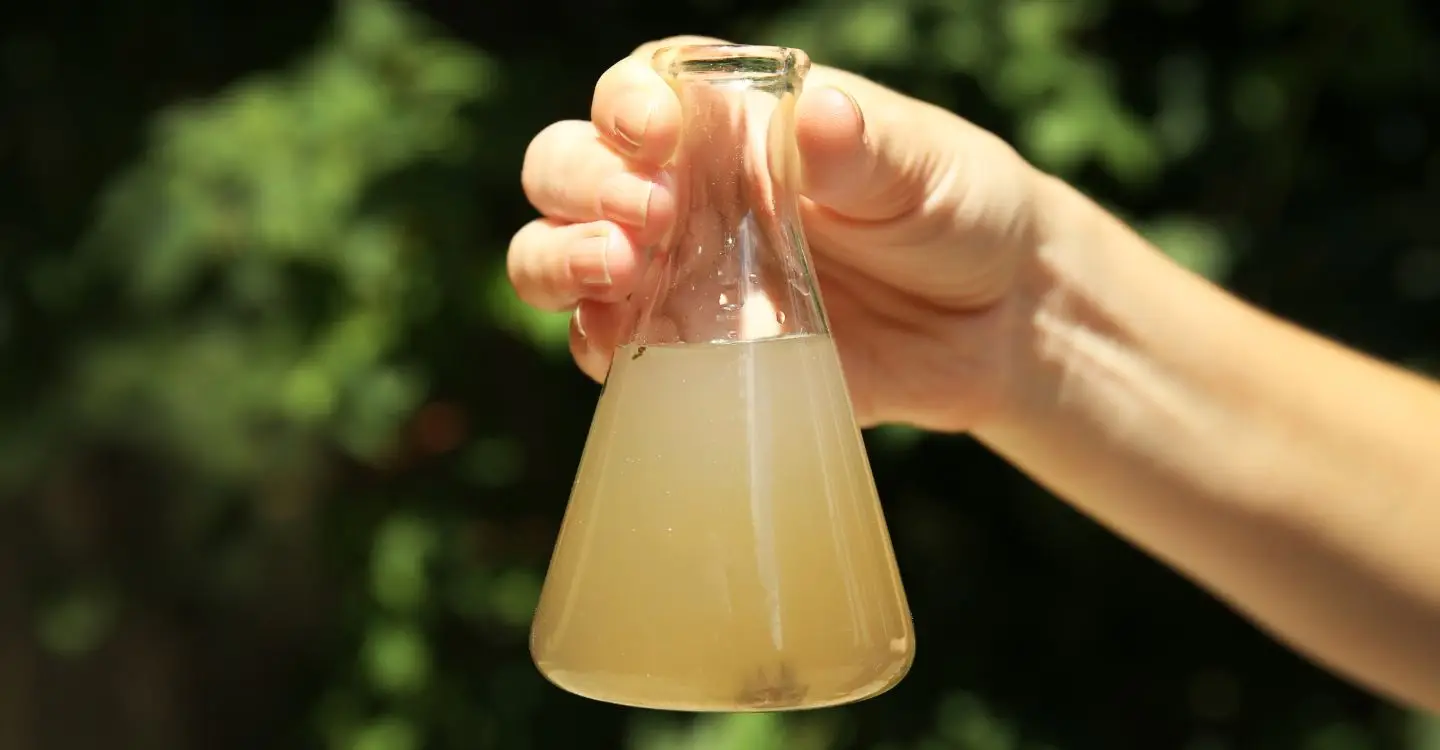
If you have ever noticed that your skin feels tight and dry after a shower, or that your dishes come out of the dishwasher with a cloudy, spotted film, you might be dealing with a common household issue: hard water. While “hard” water is not generally considered a direct health threat in the way that bacteria or lead can be, it is a significant source of frustration for homeowners and a silent destroyer of plumbing infrastructure.
Understanding what hard water is, how it impacts your daily life, and how you can definitively detect it is essential for maintaining the comfort and longevity of your home.
What Exactly Is Hard Water?
Hard water is essentially water with a high concentration of dissolved minerals—primarily calcium and magnesium. As water travels through the earth, it naturally absorbs these minerals from rocks and soil before making its way into municipal pipes or private wells.
While these minerals are not harmful to ingest—in fact, many people consume them as dietary supplements—they wreak havoc when they encounter the plumbing, heating elements, and surfaces inside your home. When hard water is heated or sits in pipes, those minerals precipitate out, forming a hard, crusty deposit known as “scale.”
The Physical Signs of Hard Water
Because hard water’s effects are cumulative, you might not notice them until they become severe. However, if you know what to look for, the signs are often hiding in plain sight:
1. The “Spotty” Evidence
The most common indicator is found in your kitchen and bathroom. Hard water leaves behind mineral deposits as it evaporates. Check your glassware, silverware, and even your shower doors. If you see persistent white, chalky spots that are difficult to wipe away, you are likely dealing with high mineral content.
2. Soap Scum and Poor Lather
Have you ever struggled to get your shampoo or body wash to lather in the shower? Calcium and magnesium minerals react with soap to create “soap scum”—a gummy, insoluble curd that doesn’t rinse away cleanly. This makes cleaning more difficult and often leaves a film on your skin and hair, which can lead to dryness and irritation.
3. Faucet and Showerhead Buildup
Inspect your bathroom fixtures. If you see white, crusty deposits building up around the base of your faucet or on the nozzles of your showerhead, that is limescale. Over time, this buildup can restrict water flow, leading to lower pressure and, eventually, the need to replace the hardware entirely.
4. Laundry Woes
Hard water is tough on fabrics. Because the minerals interfere with detergents, your clothes may come out of the wash feeling stiff or looking dull. Over time, the mineral deposits can actually damage the fibers of your clothing, leading to premature wear and tear.
The Hidden Cost: Damage to Appliances
While the cosmetic and cleaning frustrations of hard water are obvious, the financial damage hidden inside your walls and appliances is far more significant.
When hard water is heated, the minerals settle in your water heater tank. This layer of sediment acts as an insulator, forcing your water heater to work much harder to warm the water. This leads to higher energy bills, a shorter lifespan for the unit, and a potential risk of tank failure.
Similarly, dishwashers and washing machines suffer. The same scale that coats your pipes coats the internal components of these expensive appliances, leading to clogs, mechanical strain, and frequent repair calls. For those who want to understand the long-term impact on their home, our FAQ section provides deeper insights into why water chemistry matters.
How to Definitively Detect Hard Water
You don’t need to guess if your water is hard. While the signs listed above are good indicators, they aren’t proof. The only way to know for certain—and to determine the degree of hardness—is through a professional analysis.
Many homeowners attempt to use “at-home” test strips, but these provide only a rough estimate. A professional water test gives you precise data, including the GPG (grains per gallon) of hardness. Knowing this exact number is critical if you are planning to install a water softener or a filtration system, as it determines which type of equipment will be most effective for your home’s specific needs.
Local Factors and Your Home
It is important to remember that water hardness is heavily influenced by geography. Certain regions are naturally “harder” due to the underlying limestone and mineral deposits in the local soil. Because infrastructure and geography are so closely linked, browsing local location resources can help you understand whether the issues you are seeing are common throughout your neighborhood.
Taking Action
If you are tired of dealing with dry skin, spotted dishes, and rising appliance maintenance costs, there is a solution. Addressing hard water usually involves installing a water softening system, which uses a process called ion exchange to replace those hard minerals with softer sodium or potassium ions.
The first step is always identifying your baseline. If you suspect hard water is causing issues in your home, please reach out through our contact page. We can help you assess your current water quality and determine the best path forward to protect your home.
For those interested in a wider range of home health solutions, our list of services covers everything from mineral analysis to identifying more serious chemical or microbial contaminants. You can also explore our latest blog articles for more tips on how to keep your home’s water system running smoothly.
Understanding your water quality is about more than just convenience; it’s about investing in the long-term health of your property. For further reading on water quality standards, you may find the USGS Water Science School resource helpful in understanding the science of mineral concentration in residential supplies.