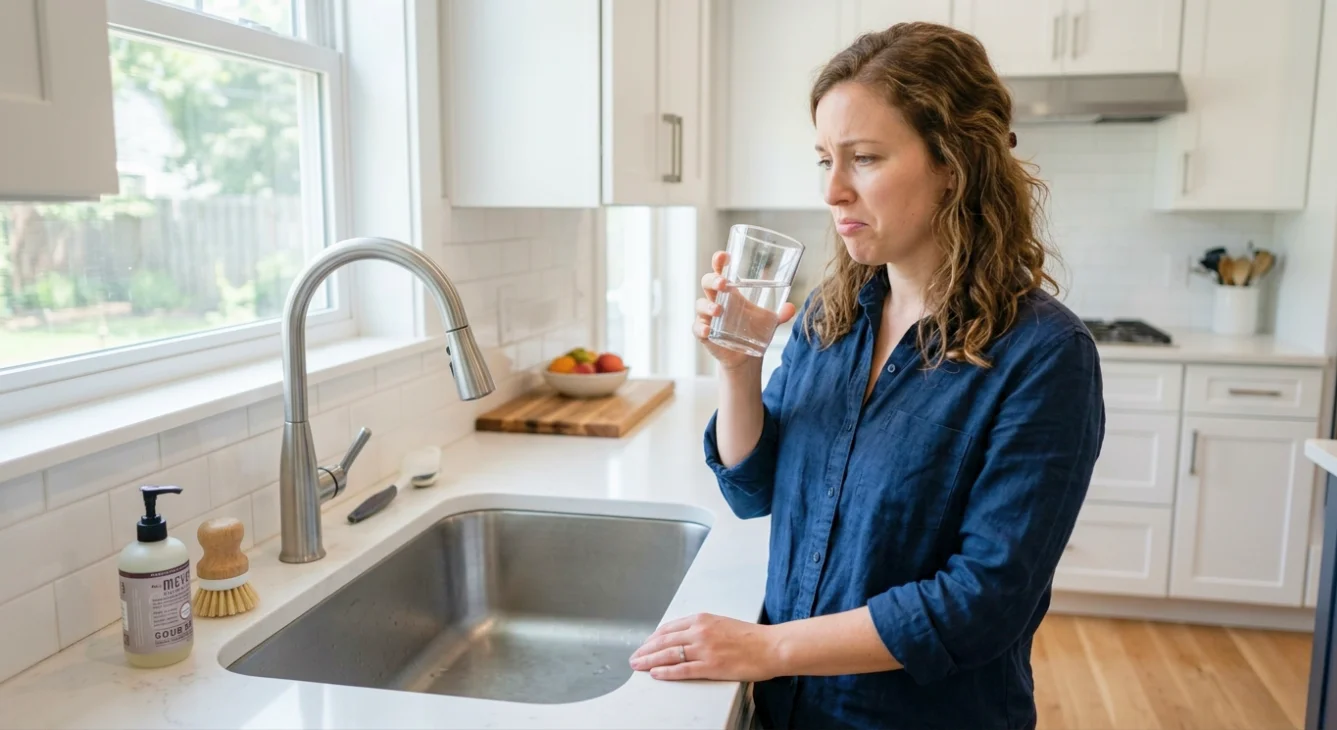
Professional water testing services in NYC give homeowners the ability to detect hidden threats in their drinking water long before visible symptoms appear. They provide certified laboratory analysis for contaminants like lead, bacteria, PFAS, and heavy metals that are completely invisible, odorless, and tasteless, turning uncertainty into actionable data you can trust. For many homeowners, water quality is something they only think about when there is an obvious problem, perhaps a metallic taste in the morning glass of water or a persistent stain in the bathtub. However, the most dangerous water contaminants are often those you cannot see, smell, or taste.
The reality is that water quality is dynamic. It can change due to seasonal shifts, aging municipal pipes, or environmental events near your property. Understanding how often you should test your water is the first step toward safeguarding your family’s health and protecting your home’s plumbing infrastructure.
The Minimum Standard: Why Once a Year?
If you rely on a private well, the Environmental Protection Agency (EPA) generally recommends testing your water at least once a year. Unlike public water systems, which are subject to strict federal regulations and constant monitoring, private wells are the sole responsibility of the homeowner.
A basic annual test should typically screen for:
- Total Coliform Bacteria and E. coli: These are indicators of biological contamination that can lead to immediate gastrointestinal illness.
- Nitrates: Often linked to agricultural runoff or septic system seepage, high nitrate levels are particularly dangerous for infants and pregnant individuals.
- pH Levels: An imbalance here can indicate corrosive water that may be leaching metals from your home’s pipes.
- Total Dissolved Solids (TDS): These provide a general snapshot of the mineral content in your water.
Even if you are on a municipal system, an annual check-up can be beneficial. While the city treats the water, it cannot guarantee the condition of the service lines leading into your home or the internal plumbing that may contain lead or copper solder. Periodic water testing acts as a “health check” for your entire home water system.
When You Should Test More Frequently
While an annual baseline is a great start, certain circumstances warrant more frequent or specialized testing. You should consider reaching out for professional services if you experience any of the following:
1. Significant Changes in Water Characteristics
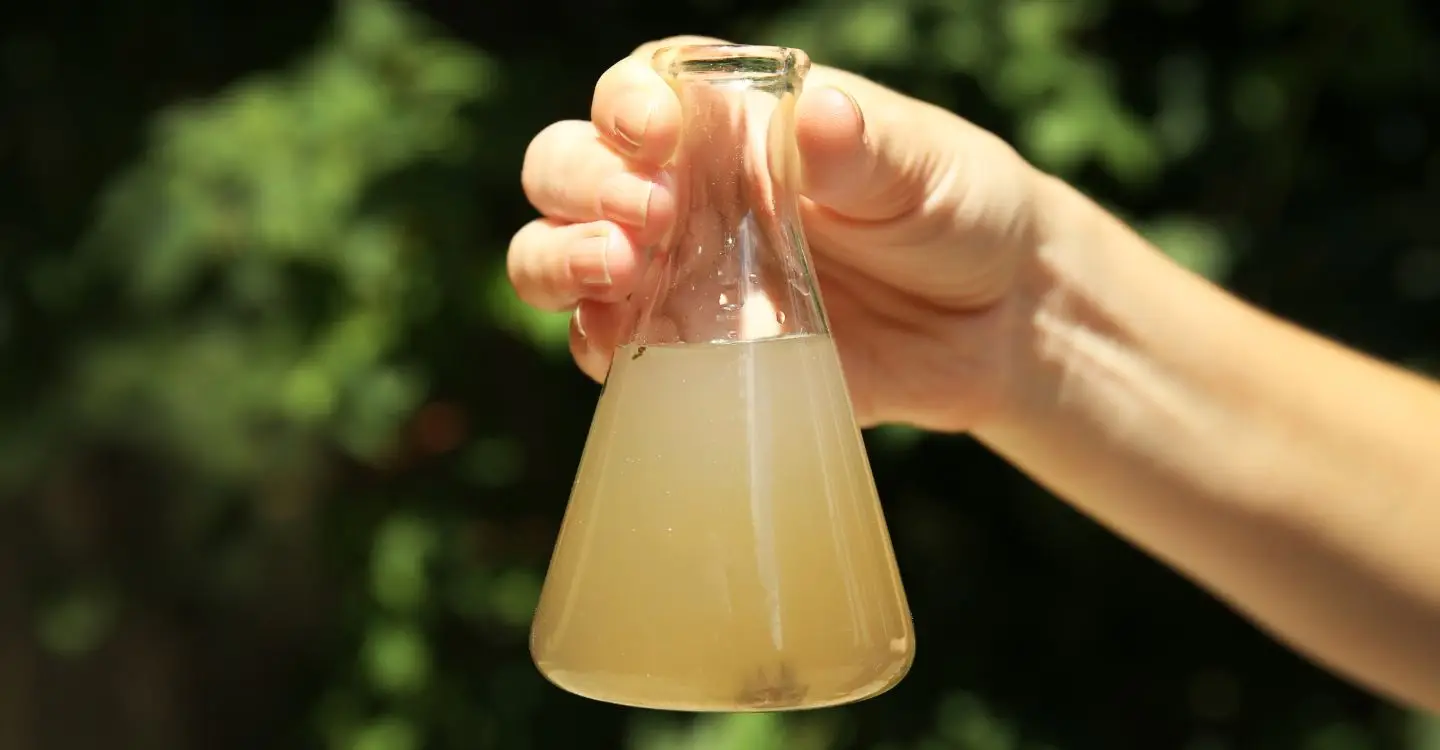
If your water suddenly develops a strange odor, a different taste, or noticeable cloudiness, do not wait for your annual date. These sensory changes are often the first red flags of a system compromise, such as a well pump failure, a broken main line, or chemical infiltration.
2. After Major Weather Events or Construction
Heavy rainfall and flooding can overwhelm well casings, potentially washing surface bacteria and chemicals into your aquifer. Similarly, if there has been major construction or excavation in your immediate area, it can disturb the soil and groundwater, occasionally impacting water quality.
3. Changes in Household Health
If family members experience recurring, unexplained gastrointestinal issues, or if you have vulnerable individuals in the home—such as newborns, the elderly, or those with compromised immune systems—more rigorous testing is a small price to pay for peace of mind.
4. Moving into a New Home
When you purchase a new property, you should never assume the previous owner’s maintenance was up to date. Testing your water upon moving in gives you a clean baseline and helps you determine if you need to install a filtration or softening system immediately.
Why Professional Analysis Beats DIY Kits
It is tempting to pick up a quick testing strip from a hardware store, but these kits are often limited in scope. They may provide a “yes/no” answer for a few basic parameters but fail to detect lower levels of heavy metals or complex organic compounds that require laboratory-grade equipment.
Professional testing, on the other hand, provides a comprehensive report that helps you understand the composition of your water. This allows you to tailor your treatment solutions—such as choosing the right type of filter or softener—rather than guessing and spending money on equipment you might not need.
The “Local” Factor
Water quality is highly dependent on your geography. Industrial history, agricultural practices, and local geology all play a role in what might end up in your tap. Understanding the specific concerns of your region can guide how often and for what specific contaminants you should test. You can learn more about how neighborhood-specific infrastructure impacts your water by checking our local locations guide.
Taking Action
Maintaining high-quality water is a continuous process, but it doesn’t have to be overwhelming. By establishing a routine, you protect your family and your home’s value.
If it has been more than a year since your last test, or if you have never had one done, now is the perfect time to get started. You can use our contact page to schedule a consultation with our experts. Whether it is for a private well or a municipal hookup, we are here to help you gain clarity on what is flowing through your pipes. For more insights on water safety and maintenance, feel free to visit our latest blog entries.