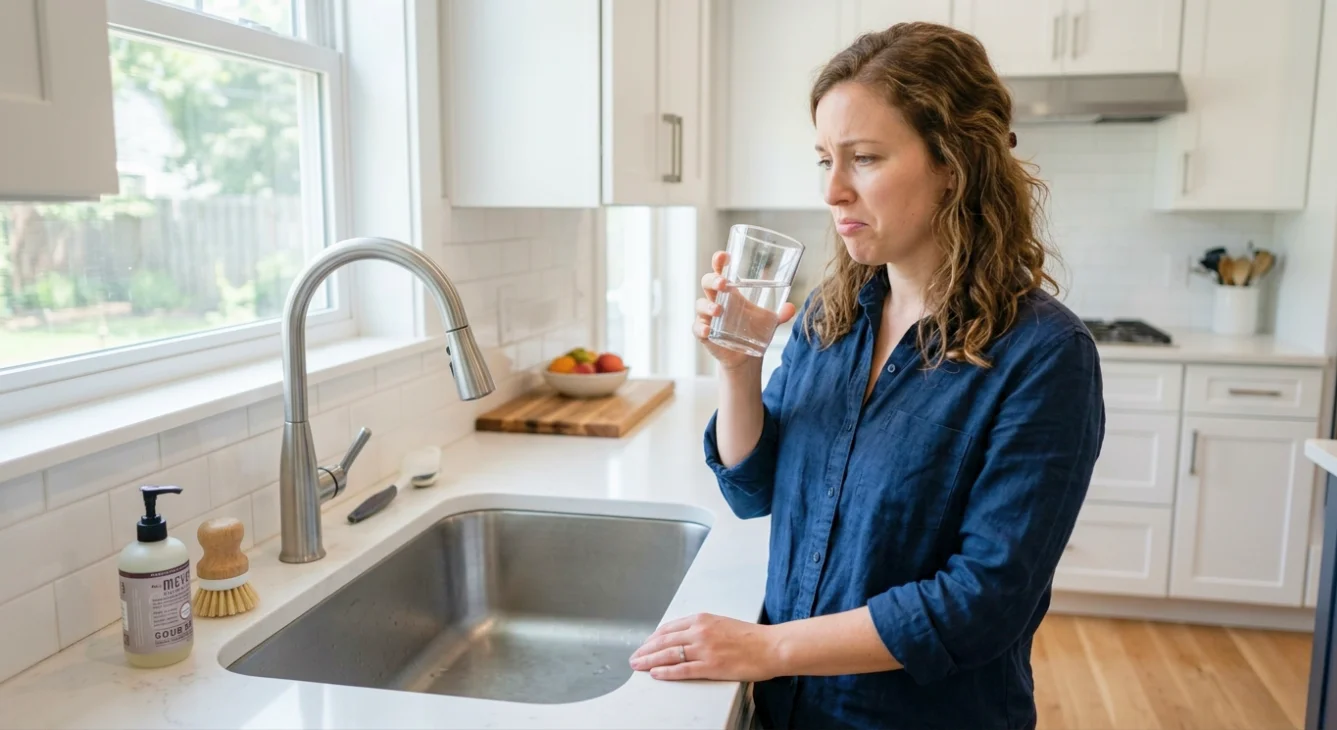
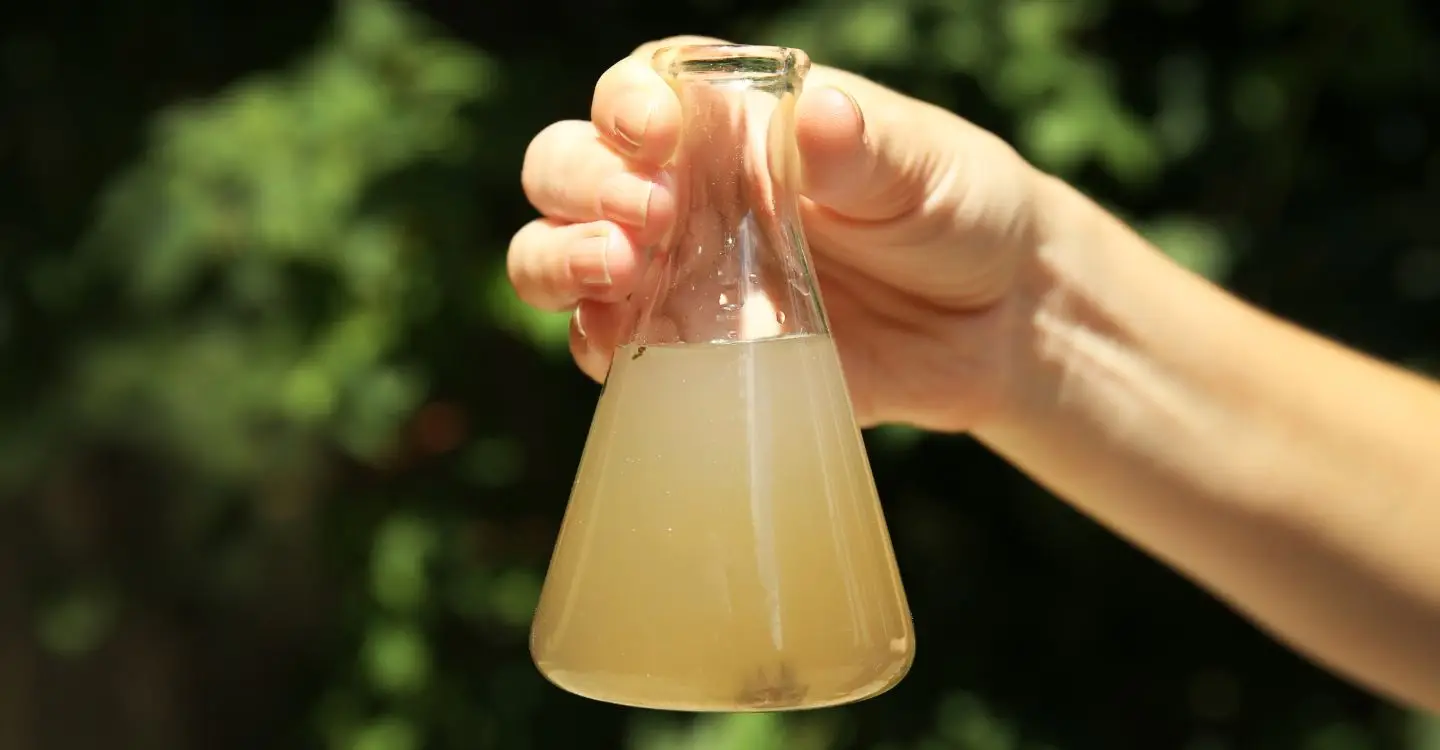
When we think about our home’s plumbing, we usually focus on the visible components: the faucets, the showerheads, and the pipes running underneath our sinks. We often don’t give a second thought to the one thing passing through them 24 hours a day: our water. While municipal or well water might look clear and taste fine, its chemical composition can be a silent, destructive force working against your home’s infrastructure.
For many homeowners, the connection between water quality and plumbing longevity remains overlooked until a major, costly repair is required. However, routine residential water testing acts as a diagnostic tool that can save you thousands of dollars in premature repairs. By understanding exactly what is flowing through your pipes, you can take proactive steps to protect your home’s most critical systems.
The Invisible Threat: Why Water Composition Matters
Water is known as the “universal solvent.” Because it is so good at dissolving substances, it rarely arrives at your tap in a truly “pure” state. Depending on your source—whether it’s a private well or a municipal supply—your water may contain high levels of minerals, acidity, or dissolved solids.
1. The Hard Water Trap
The most common water quality issue is “hardness,” caused by high concentrations of calcium and magnesium. While generally safe to drink, hard water is a nightmare for your plumbing system. As the water travels through your pipes and heats up, these minerals precipitate out, forming solid scale deposits.
Over time, this buildup restricts the flow of water, leading to lower water pressure and increased strain on your appliances, such as your dishwasher, washing machine, and water heater. If you’ve ever noticed a white, chalky residue around your faucets or showerheads, you likely have hard water—and that same buildup is happening inside your pipes where you can’t see it.
2. The Dangers of Corrosive (Acidic) Water
On the opposite end of the spectrum is acidic or “soft” water. If your water has a low pH balance, it becomes chemically aggressive. Instead of leaving deposits behind, it strips metal away. This process, known as corrosion, can eat away at copper piping, lead-soldered joints, and brass fixtures.
Corrosive water doesn’t just shorten the lifespan of your pipes; it can lead to “pinhole leaks,” which are notoriously difficult to detect until they have already caused significant water damage behind your walls or under your floors. Regular water testing can determine your water’s pH level, allowing you to install neutralizing treatments before your plumbing system suffers permanent damage.
How Routine Testing Prevents Costly Repairs
Many homeowners wait for a sign of trouble—a leaking pipe, a broken water heater, or a sudden drop in pressure—before calling a plumber. By then, the plumbing infrastructure has already been compromised. Residential water testing shifts your maintenance strategy from reactive to proactive.
Identifying Issues Early
Professional water analysis can detect harmful contaminants and mineral imbalances long before they manifest as physical damage. For instance, if testing reveals elevated levels of iron or manganese, you might be dealing with “bio-fouling” or staining that can clog filtration systems and damage internal seals. By identifying these levels early, you can invest in the right services—such as water softeners or oxidation systems—to neutralize the threat before it hits your pipes.
Protecting Your Appliances
Your plumbing system doesn’t end at your pipes; it extends to every water-using appliance in your home. A tankless water heater, for example, is highly sensitive to mineral scale. A single layer of scale can reduce heating efficiency, forcing the unit to work harder and increasing your energy bills. Testing ensures that the water entering these expensive machines is treated properly, significantly extending their service life.
The Local Perspective: Why Your Area Matters
Water quality is not universal. It changes drastically based on local geology, agricultural practices, and infrastructure age. Because water quality is so dependent on where you live, relying on general advice isn’t enough. Residents in one neighborhood might face high sulfur levels, while those just a few miles away might struggle with nitrates or heavy metals from aging municipal lines.
Understanding your local water profile is essential for effective treatment. If you are on a private well, you are responsible for your own water quality monitoring, making testing an even more critical component of homeownership. Even for those on city water, changes in local treatment protocols or the age of your home’s service lines can introduce variables that a standard report from the utility company might miss at your specific tap.
What to Expect During a Professional Water Test
If you are curious about the quality of the water in your home, the process is straightforward and unintrusive. When you work with a professional testing service, they focus on two primary categories:
- Chemical and Physical Parameters: This includes testing for pH, hardness, total dissolved solids (TDS), iron, and manganese.
- Health-Based Contaminants: This includes testing for bacteria (like E. coli or coliform), lead, copper, nitrates, and other hazardous chemicals that can leach into water from old pipes or groundwater sources.
Once you have your results, you can consult with experts to determine if a water softener, a reverse osmosis system, or a neutralizer is necessary. You can find answers to many common questions regarding these results in our FAQ section.
Protecting Your Investment
Your home is likely the largest financial investment you will ever make, and your plumbing system is the circulatory system that keeps it functioning. When you ignore water quality, you are essentially gambling with the health of your pipes.
As noted by the Environmental Protection Agency (EPA), maintaining proper water quality is a responsibility that goes beyond simple taste or odor; it is about health and infrastructure safety. By taking the simple, manageable step of scheduling a water test, you move away from the “wait and see” approach and into a position of control.
Conclusion
Plumbing repairs are rarely cheap, and they are almost never convenient. Between the cost of professional labor and the potential for water damage to flooring, drywall, and personal property, a burst pipe or a failing water heater can disrupt your life for weeks.
Protecting your plumbing system isn’t just about calling a plumber when something breaks—it’s about understanding the environment in which your plumbing operates. Start by assessing your water quality today. Check out our latest insights on the blog for more tips on home maintenance, or feel free to contact us to schedule a comprehensive analysis. A little bit of knowledge today can save you from a major plumbing disaster tomorrow.