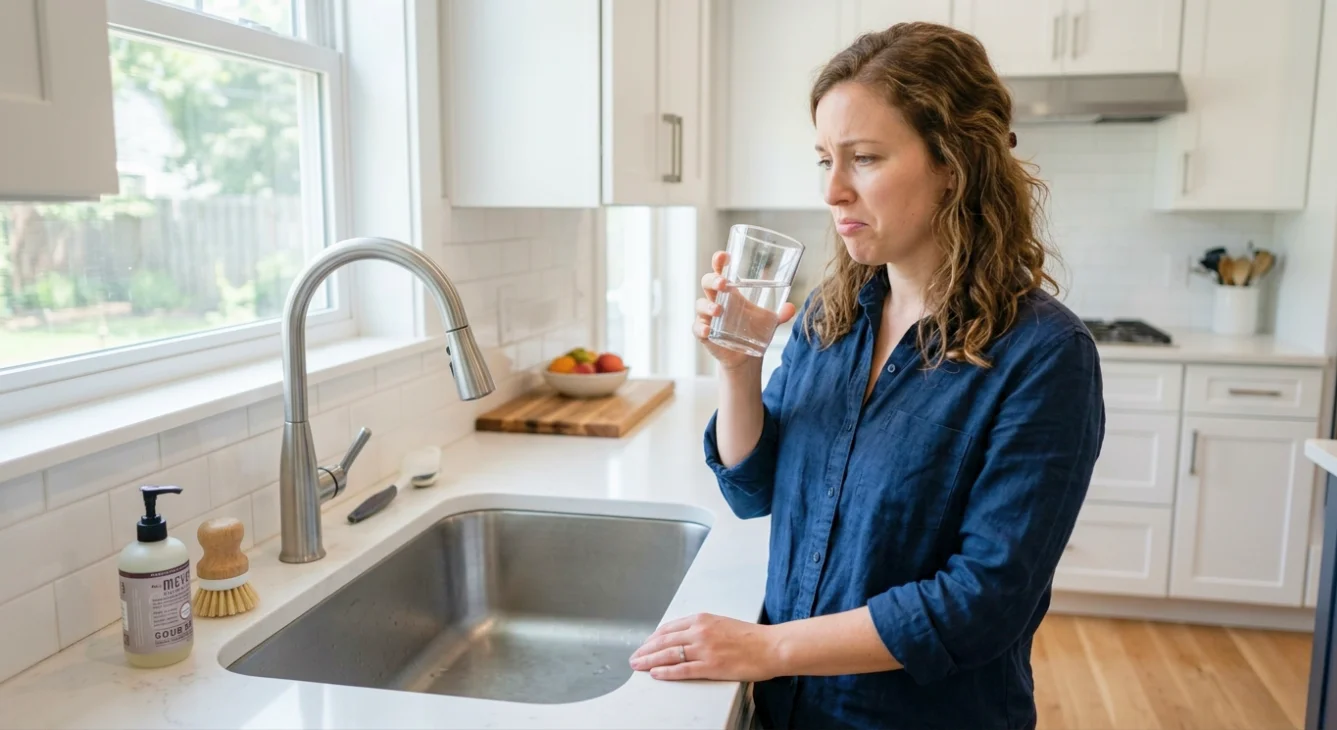
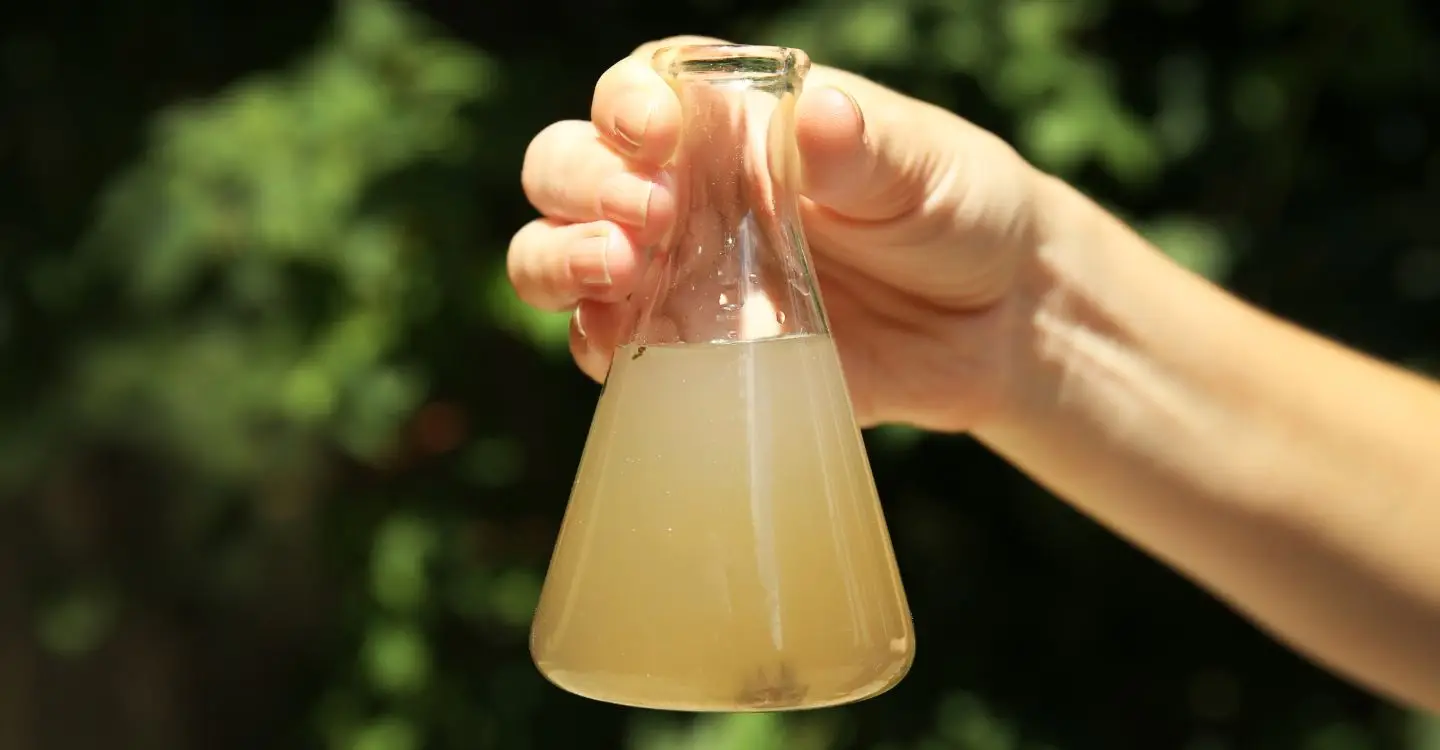
Water is the foundation of our existence. It makes up roughly 60% of the human body and is involved in nearly every biological process, from regulating our internal temperature to transporting vital nutrients and oxygen to our cells. Because we rely on it so heavily—not just for drinking, but for cooking, bathing, and cleaning—the quality of the water running through our home’s pipes has a direct and profound impact on our health and daily comfort.
When water quality is high, it supports our well-being in quiet, efficient ways. When it is compromised, however, it can become a silent source of stress, leading to everything from skin irritation to chronic health concerns. Understanding this connection is essential for every homeowner, as taking charge of your water testing is one of the most proactive steps you can take for your family’s future.
The Connection Between Water Quality and Physical Health
The impact of water quality on our bodies is multifaceted. While our municipal systems work hard to filter out major contaminants, water can still pick up impurities as it travels through aging service lines or as it interacts with the geology of your specific area.
Short-Term Effects
For many, the most immediate signs of poor water quality are digestive. Contaminants such as bacteria, viruses, or parasites—often found in private wells or following infrastructure damage—can lead to gastrointestinal distress, including nausea, cramps, and diarrhea. Even something as simple as high chlorine levels or specific mineral imbalances can lead to stomach discomfort for sensitive individuals.
Long-Term Health Concerns
Prolonged exposure to certain contaminants is far more insidious. Heavy metals like lead and arsenic, which can leach into water from old plumbing or natural mineral deposits, are known to accumulate in the body over time. For children and pregnant women, these substances are particularly dangerous, as they can hinder cognitive development and lead to long-term neurological issues. Furthermore, persistent exposure to nitrates or certain organic chemicals has been linked to increased risks of organ damage and hormonal imbalances.
Beyond Drinking: The Daily Impact on Your Home
Water quality doesn’t just affect what we put into our bodies; it dictates the health of our skin, hair, and household systems.
- Skin and Respiratory Health: Have you ever noticed your skin feeling dry or itchy after a shower? Hard water, which is rich in calcium and magnesium, can strip away natural oils and leave behind residue that irritates sensitive skin. Additionally, if your water contains high levels of chemicals, the steam from your shower can carry those substances into the air, potentially exacerbating respiratory issues like asthma.
- The Plumbing Cycle: Your home’s plumbing is an extension of your daily life. Corrosive or acidic water can eat away at copper pipes, causing pinhole leaks that damage drywall and flooring. These plumbing failures are not just expensive to fix—they are major sources of stress that disrupt your home routine.
- Appliance Longevity: Mineral scale from hard water builds up inside your water heater, dishwasher, and washing machine. This not only forces these appliances to work harder and use more energy, but it also shortens their lifespan significantly.
Knowing Your Local Water Profile
One of the most important things a homeowner can realize is that water quality is inherently “local.” Your neighbors might have entirely different water issues than you do, depending on the age of their home or the specific location of their well. Because of this, local environmental factors—such as agricultural runoff, nearby industrial sites, or the age of the pipes in your neighborhood—are the primary determinants of what is in your glass.
If you are concerned about how your specific water profile is affecting your home, professional water testing services are the only way to get a clear, accurate picture. Relying on general municipal reports can be misleading because they only track water quality up to the point it enters your home, not what happens inside your own plumbing.
Empowering Yourself: Steps to Better Water
You don’t have to be a water expert to ensure your family is safe. The process is simpler than you might think:
- Baseline Testing: If you haven’t done it recently, perform a comprehensive test. This establishes a baseline for your home and alerts you to any hidden contaminants.
- Review the Results: Don’t just look for “pass” or “fail.” Understand the levels of minerals and potential pollutants. Our FAQ page is a great resource to help you understand what those numbers mean for your health.
- Targeted Solutions: Once you know what’s in your water, you can implement the right solution—whether it’s a water softener for skin health or a reverse osmosis system for pure drinking water.
- Stay Informed: Keep up to date with blog updates on how to maintain your home’s systems, and don’t hesitate to contact us if you notice a sudden change in taste, smell, or clarity.
Conclusion
The quality of your water is a foundational pillar of your health and the longevity of your home. By moving from a passive approach to a proactive one, you ensure that your water is supporting your life, not complicating it.
Safe, clean water provides peace of mind that is worth far more than the cost of a simple analysis. Start by learning what is in your water today—because when it comes to the health of your family, knowledge is the most effective tool you have.