The Benefits of Professional Water Testing Over DIY Kits
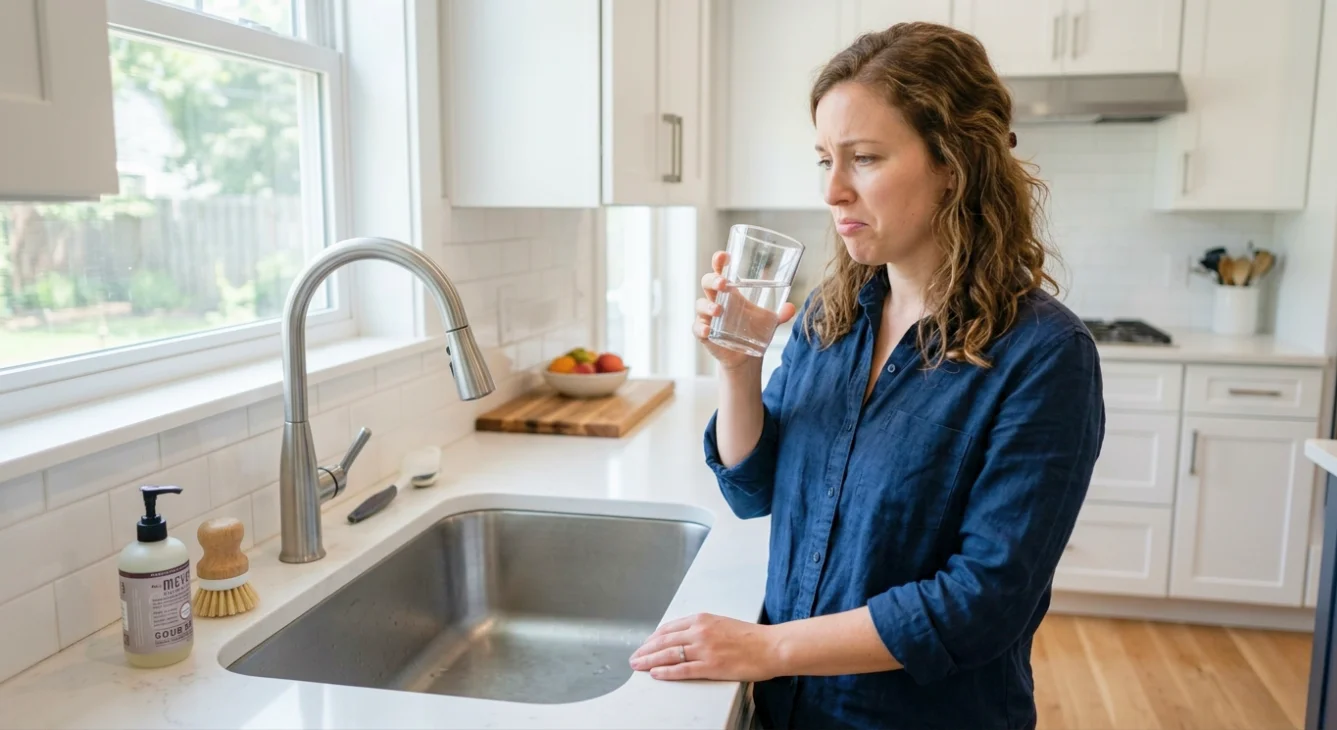
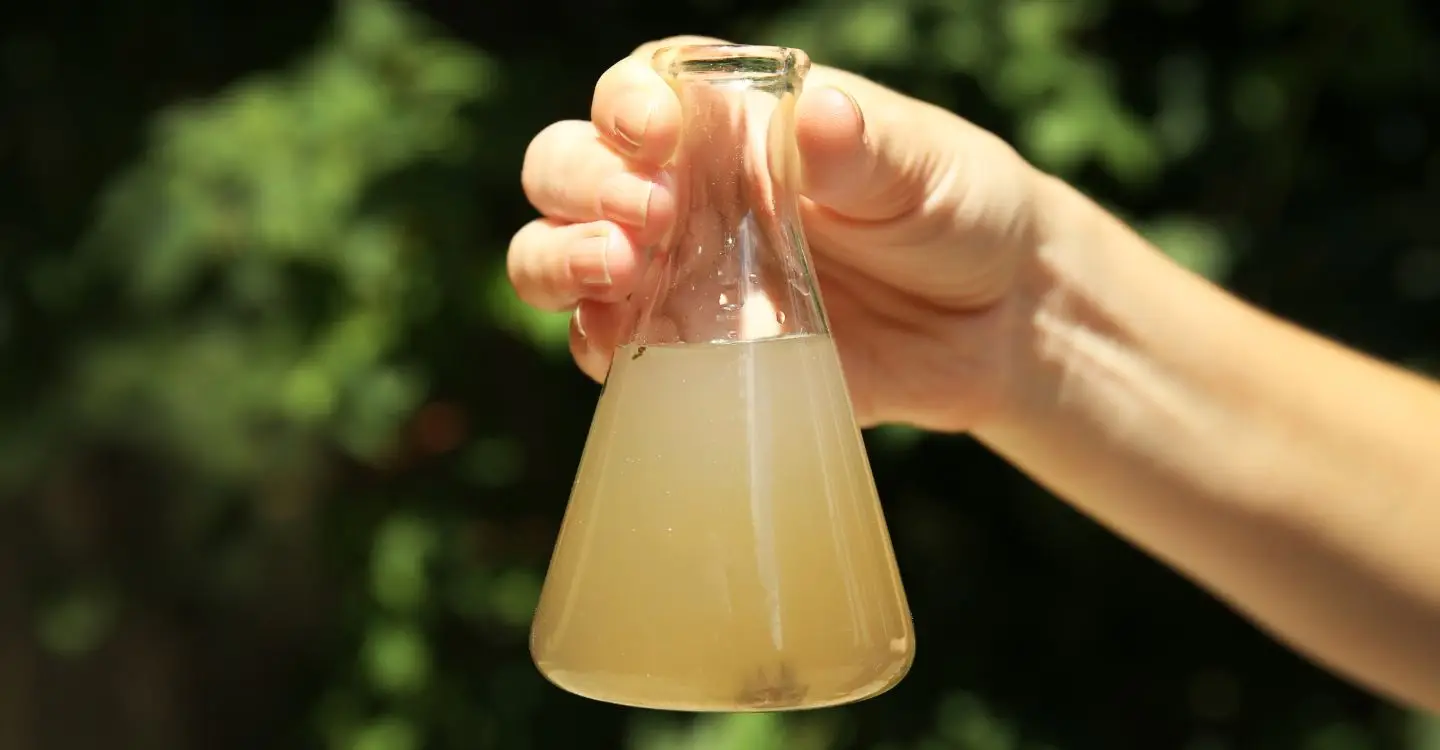
When you notice a strange taste, a faint odor, or mysterious staining in your sinks, your first instinct might be to head to the local hardware store for a DIY water test kit. They are inexpensive, readily available, and promise quick answers. However, there is a significant difference between “quick answers” and “accurate results.”
For many homeowners, water quality is a foundational aspect of home safety, health, and infrastructure longevity. While DIY kits can be useful for minor, routine checks, they rarely offer the depth of analysis required to make informed decisions about your home. Understanding why professional water testing is the gold standard for home safety can help you avoid the pitfalls of inaccurate testing and false peace of mind.
The Limitations of DIY Kits
DIY testing kits often function as a “screening” tool rather than a true diagnostic one. While they might provide a general idea of your water’s pH or hardness levels, they have inherent limitations that can leave you vulnerable to hidden risks.
1. Lack of Sensitivity and Accuracy
Many home test kits rely on color-changing strips. While convenient, the accuracy of these strips depends heavily on lighting, the user’s ability to interpret color gradients, and the age of the kit. Furthermore, these tests often have high “detection limits,” meaning a contaminant must be present in a relatively large amount before the kit can even register it. Professional labs, by contrast, use equipment capable of detecting contaminants in the parts-per-billion or even parts-per-trillion range.
2. The “Scope” Problem
The most dangerous water contaminants—such as lead, arsenic, PFAS (often called “forever chemicals”), and VOCs—are invisible, odorless, and tasteless. Most over-the-counter kits are not designed to detect these complex substances. If you rely on a basic kit, you might receive a “clean” result while dangerous, low-level contaminants remain undetected. Professional labs can screen for hundreds of compounds in a single, comprehensive analysis.
3. Subjective Interpretation
Even if a DIY kit manages to detect a fluctuation in your water quality, it rarely tells you why or what to do next. Does that slight elevation in nitrates require a total filtration system, or is it a temporary spike? Without the expert guidance that accompanies a professional report, homeowners are often left to guess, which can lead to either unnecessary spending on unneeded equipment or a failure to address a legitimate health risk.
Why Professional Lab Testing is the Gold Standard
Choosing to have your water analyzed by a certified, independent laboratory provides a level of certainty that no retail kit can match.
- Scientific Precision: Professional labs utilize sophisticated equipment like gas chromatographs and mass spectrometers to identify contaminants at a molecular level. This ensures that you aren’t just seeing a color shift on a strip; you are receiving a detailed data sheet that measures the exact concentration of substances in your supply.
- Regulatory Compliance and Validity: If you are selling your home, applying for a mortgage, or dealing with health-department requirements for a private well, DIY results are almost never accepted. Professional services provide legally recognized, certified reports that hold weight in real estate and official documentation.
- Expert Consultation: A key benefit of professional testing is the professional perspective. Experts don’t just provide a list of numbers; they help you interpret those numbers in the context of your specific local geology and infrastructure. They can recommend targeted, cost-effective treatment solutions based on your specific water profile rather than a “one-size-fits-all” product.
Balancing Convenience with Safety
This does not mean DIY kits have no use. They can be excellent for daily or weekly monitoring of known issues—such as checking if your water softener is effectively managing hardness or verifying that your chlorine levels are consistent in a municipal supply.
However, when it comes to the safety of your drinking water or the protection of your plumbing system, you shouldn’t rely on guesswork. The most effective approach is to use DIY kits for routine awareness, while scheduling periodic professional lab testing to confirm the accuracy of your home systems.
As noted by the Environmental Protection Agency (EPA), understanding your water source and potential local contaminants is a responsibility that requires reliable, data-driven insights. Relying on an incomplete or imprecise test can provide a false sense of security, leading you to ignore long-term health risks or silent damage to your home’s pipes.
Next Steps for Your Home
If you suspect an issue, or if it has simply been a long time since your last comprehensive analysis, it is time to move beyond the drugstore test strips. Professional testing is the first step toward true peace of mind. Whether you are concerned about your family’s health or simply want to ensure your appliances are running efficiently, a professional, independent analysis is the foundation of a well-maintained home.
You can find answers to many questions regarding the testing process in our FAQ section. For more guidance on keeping your home environment healthy, check out our blog for regular updates and maintenance tips.
Don’t leave your water quality to chance. Contact us today to schedule a professional assessment and get the clear, accurate answers you and your family deserve. By choosing professional analysis, you are investing in the long-term safety and reliability of your home’s most important utility.