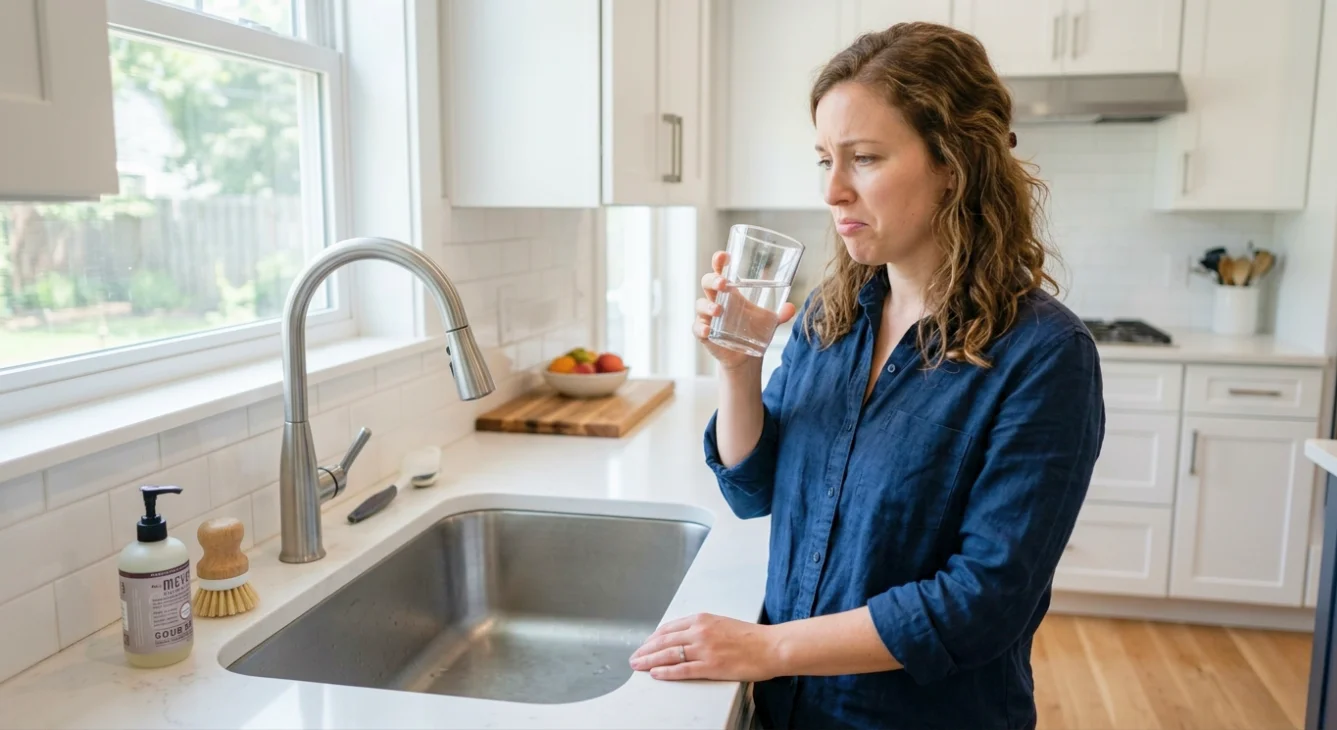
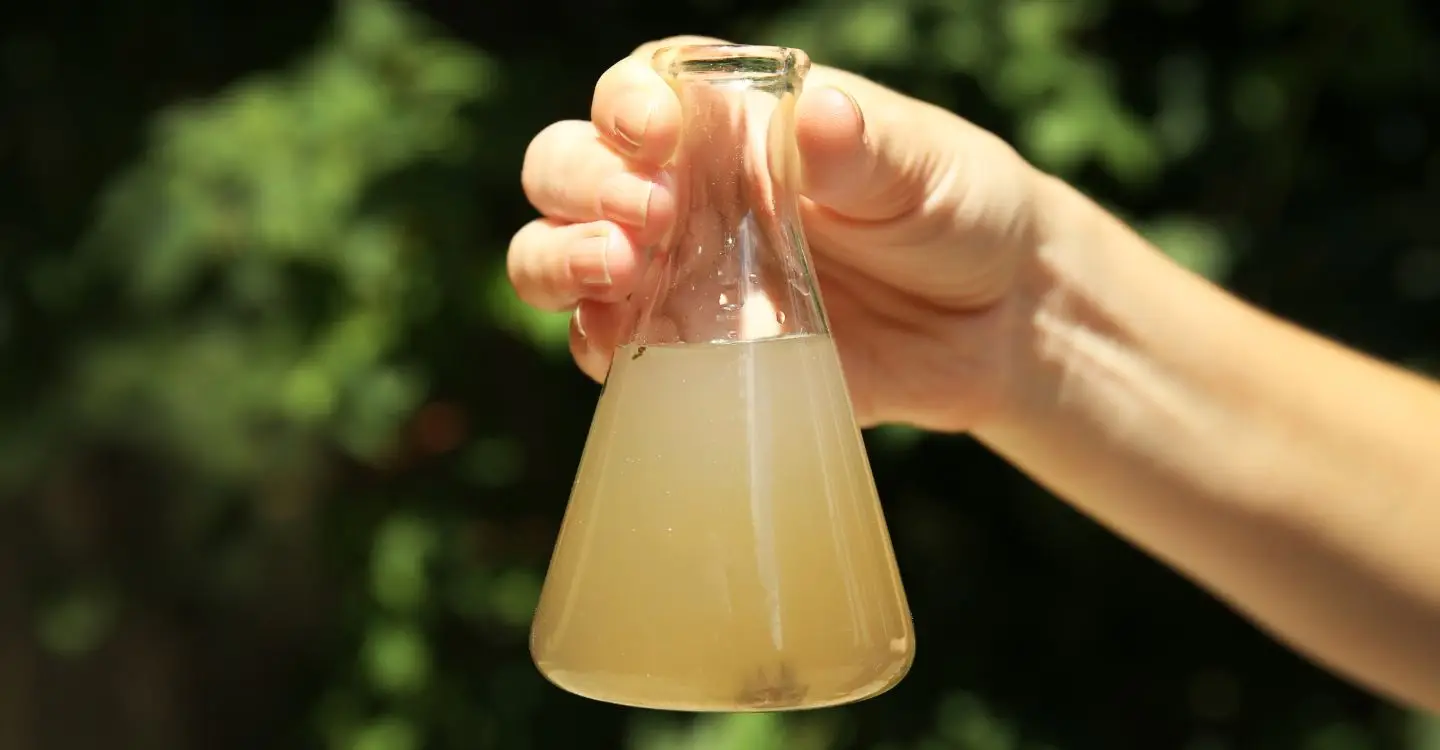
Home water testing services in NYC ensure that the water your children drink every day is truly as safe as you assume it to be. These certified services detect invisible contaminants like lead, bacteria, PFAS, and other harmful chemicals that can silently affect your child’s development and long-term health. As a parent, your primary goal is to create a safe, nurturing environment where your children can grow and thrive. You carefully curate their diet, supervise their playtime, and ensure they get enough rest, yet one of the most fundamental pillars of their health, the water they drink, often goes unchecked. Because water is an invisible component of daily life, many families operate on the assumption that if the tap is running, the water is safe.
For households with children, this assumption can be a significant oversight. Children are not just “small adults”; their developing bodies, higher metabolic rates, and unique physiological needs make them far more susceptible to the harmful effects of waterborne contaminants. Prioritizing water testing is one of the most effective, proactive steps you can take to safeguard your family’s long-term health.
Why Children Are More Vulnerable
It is a biological reality that children are more sensitive to environmental hazards than adults. Several factors contribute to this heightened vulnerability:
- Higher Intake Relative to Body Weight: Children drink more water per pound of body weight than adults do. This means that if a water supply contains even low levels of a contaminant, a child’s total “dose” relative to their size is significantly higher.
- Developing Systems: A child’s brain, immune system, and internal organs are in a state of rapid development. During these critical windows of growth, exposure to toxic substances—even at levels that might be considered “safe” for an adult—can interfere with biological processes, potentially leading to developmental delays, behavioral issues, or long-term health complications.
- Immature Detoxification: The mechanisms the body uses to process and eliminate toxins, such as kidney and liver function, are still maturing in young children. Infants and toddlers, in particular, may take longer to filter out harmful substances, allowing those contaminants to circulate in their systems for longer periods.
The Invisible Risks in Your Tap
When we talk about water quality, we are often concerned about contaminants that have no taste, smell, or color. These are the “silent” risks that make professional analysis so essential for parents.
1. Lead and Heavy Metals
Lead is a potent neurotoxin that is especially dangerous for infants and children. It often enters household water through aging service lines, lead-based plumbing, or fixtures containing lead solder. There is no “safe” level of lead for children; even minimal exposure has been linked to lower IQ, learning disabilities, and behavioral problems. If you live in an older home, having your water tested for heavy metals is a non-negotiable safety step.
2. Nitrates and “Blue Baby Syndrome”
Nitrates are chemical compounds frequently associated with agricultural runoff and poorly maintained septic systems. While they may be present in many water sources, high concentrations are a direct threat to infants under six months old. Nitrates can interfere with the blood’s ability to carry oxygen, leading to methemoglobinemia, or “blue baby syndrome,” a condition that requires immediate medical attention.
3. Microbial Contaminants
Bacteria, viruses, and parasites like E. coli or Giardia are perhaps the most common causes of acute waterborne illness. Children’s immune systems are still learning to fight off these pathogens, making them more prone to severe bouts of diarrhea, vomiting, and dehydration. In households relying on private wells, these contaminants can enter the system through groundwater changes or compromised well seals, often without any warning signs.
4. Emerging “Forever Chemicals” (PFAS)
Per- and polyfluoroalkyl substances (PFAS) have gained national attention for their persistence in the environment. Studies suggest these man-made chemicals may disrupt hormonal systems and reduce the efficacy of childhood vaccines. Because these chemicals are widespread, testing provides parents with the knowledge needed to choose the right treatment solutions if their water supply is affected.
Peace of Mind Through Proactive Testing
Many parents feel overwhelmed by the idea of water management, but the process is straightforward when broken down into manageable steps. You do not need to be an expert in chemistry to provide safe water for your children.
- Establish a Baseline: If you have never tested your water, start now. A professional lab report provides a clear, objective look at what is in your tap water. It removes the guesswork and allows you to make decisions based on facts rather than fear.
- Know Your Area: Water quality can vary significantly based on your geography. Some regions have naturally high levels of arsenic or iron, while others may be impacted by nearby industrial activity. Consulting our local locations guide can help you understand the specific risks associated with your neighborhood.
- Address Issues Early: If a test reveals an issue, don’t panic. Most water quality concerns, from hard water minerals to chemical contaminants, have effective, proven treatment options. Whether it’s a simple filter for your kitchen tap or a whole-home system, identifying the problem early is the key to preventing long-term exposure.
Making Water Safety a Habit
Just as you schedule regular pediatrician visits to monitor your child’s physical growth, regular water testing should be a standard part of your home maintenance calendar.
If you have questions about how to interpret a water report or what specific contaminants to screen for, our frequently asked questions page is a great place to start. For personalized guidance or to schedule a professional evaluation, you can reach out through our contact page.
Protecting your children means protecting the environment in which they grow. By ensuring their hydration is clean and safe, you are giving them the best foundation for a healthy life. To stay informed about best practices in home water management, we invite you to browse our latest blog articles.