When it comes to the water flowing from your home’s taps, a common divide exists: the independence of a private well versus the convenience of a municipal supply. Private well water testing in NYC bridges this gap by providing certified laboratory analysis tailored to the unique risks that well owners face, from agricultural runoff and septic contamination to naturally occurring heavy metals and bacteria that no municipal agency is monitoring on your behalf. Many homeowners assume that if they are on city water, the utility has everything under control, or that if they have a well, their water is “naturally” purer. The truth is that both sources have unique vulnerabilities, and regardless of your water’s origin, regular professional testing is the only way to ensure it remains safe for your family.
The Reality of City Water: Regulated but Not Risk-Free
Municipal water systems are subject to strict federal regulations under the Environmental Protection Agency (EPA), which mandate regular monitoring for common contaminants like lead, copper, and bacteria. When the water leaves the treatment plant, it is generally clean and disinfected, often with chlorine or chloramines to prevent pathogen growth during transit.
However, the “journey” of your water matters. Once the water enters the city’s distribution network, it travels through miles of underground infrastructure—some of which may be decades old.
- Aging Infrastructure: Corrosion in older city mains or the service lines leading directly to your home can introduce heavy metals like lead or iron into the water supply before it ever reaches your faucet.
- Disinfection Byproducts: The very chemicals used to keep your water safe can react with organic matter in the pipes, creating byproducts that require careful monitoring.
- The “Last Mile” Problem: The city is responsible for the main lines, but the plumbing within your walls is your responsibility. Lead solder or corroded pipes inside your home can contaminate high-quality water right at the tap.
Because of these factors, testing isn’t just for well owners. Periodic analysis helps you identify if your specific home’s plumbing is compromising the water quality provided by the city. You can explore our local service areas to see if your neighborhood’s specific infrastructure history suggests a need for closer monitoring.
The Reality of Well Water: Independent but Owner-Managed
If you rely on a private well, you are the de facto water manager for your household. There is no city agency monitoring your water quality; the responsibility falls entirely on your shoulders. While well water can be free from the chemicals added to municipal supplies, it is also highly susceptible to the surrounding environment.
- Geological Influence: Your water chemistry is dictated by the soil and rock it passes through. You may naturally encounter high levels of iron, manganese, or even harmful elements like arsenic or radon, depending on your local geology.
- Environmental Sensitivity: Because wells draw from local groundwater, they are vulnerable to shifts in the environment. Heavy rain, flooding, or nearby agricultural/industrial activity can introduce bacteria, nitrates, and pesticides into your aquifer.
- Lack of Disinfection: Unlike city systems, well water typically arrives untreated. A well that was safe last year can be compromised overnight by a cracked well seal or a shift in the water table.
For well owners, professional water testing is a non-negotiable aspect of home maintenance. It is the only way to catch contamination early—before you or your family members feel the effects.
Why Sensory Checks Aren’t Enough
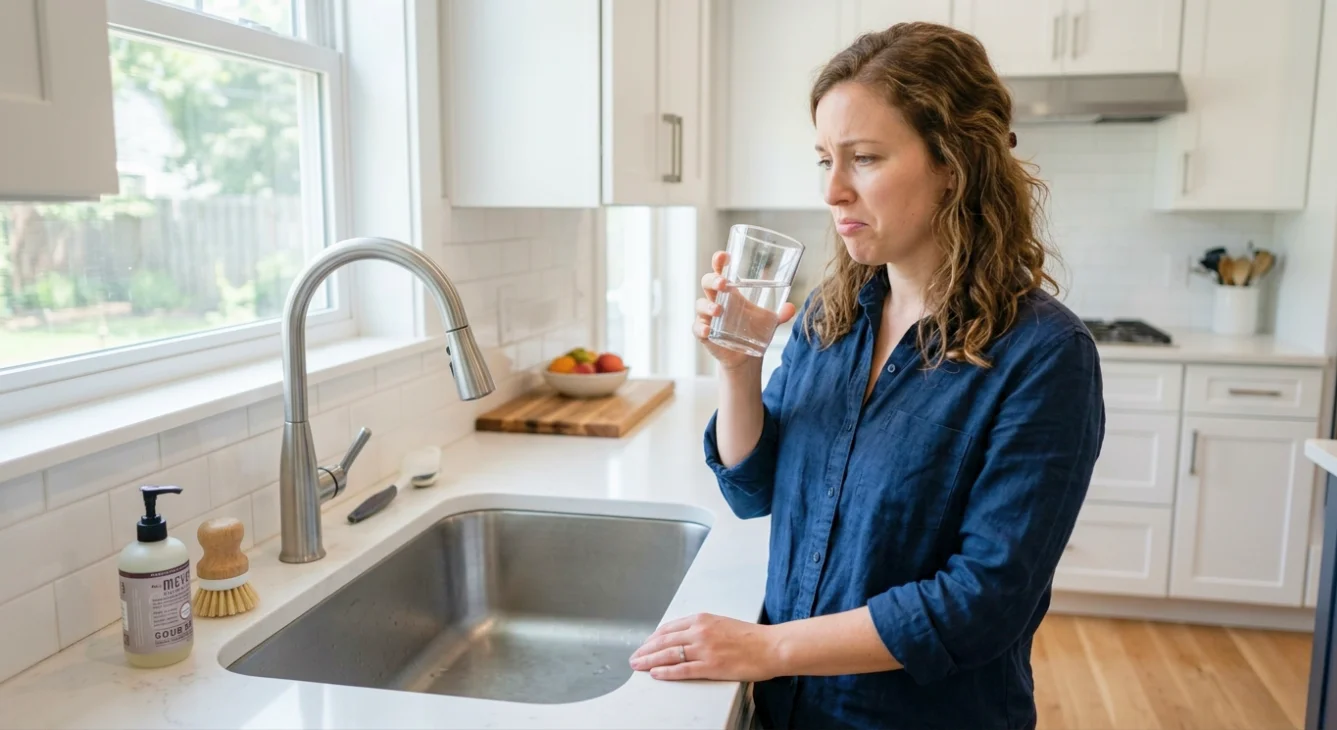
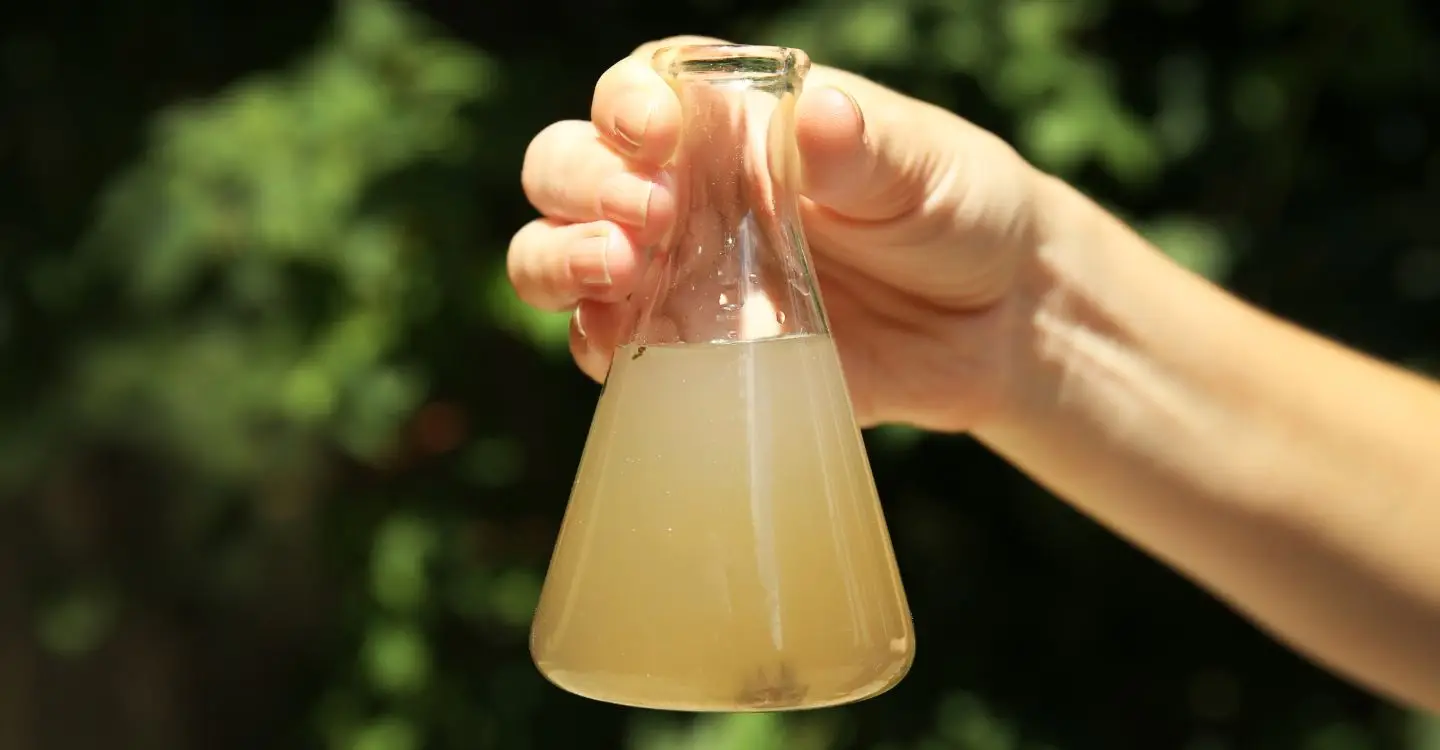
Many homeowners rely on the “sight, smell, and taste” test. They assume that if the water is clear, doesn’t smell like sulfur, and tastes neutral, it must be safe. Unfortunately, some of the most serious water hazards are completely undetectable by the human senses:
- Lead has no taste or odor.
- Bacteria and Viruses are invisible.
- Nitrates (a particular concern for households with infants) are odorless and tasteless.
- PFAS (Forever Chemicals) cannot be detected without laboratory analysis.
Relying on your senses is a gamble. Professional testing provides a data-driven baseline, allowing you to see exactly what is in your water so you can choose the right treatment—whether that’s a simple filter for city water or a specialized system for your well.
Making Water Safety a Habit
Whether your water comes from a city reservoir or your own backyard, your goal is the same: peace of mind. By establishing a routine, you protect your family and your home’s infrastructure from unexpected damage.
- Understand Your Source: Knowing where your water comes from helps you anticipate potential issues. If you are a well owner, you should generally test annually. If you are on city water, a periodic check can confirm that your home’s pipes aren’t a source of contamination.
- Use Reliable Data: Avoid relying on basic store-bought kits for serious concerns. Our frequently asked questions explain why comprehensive lab reports are the gold standard for identifying hidden risks.
- Take Action: If you have identified a change in your water’s quality or simply haven’t tested in over a year, reach out via our contact page. We can help you navigate the unique challenges of your water source and find the right solution for your home.
Your water quality is not a static condition; it is a dynamic element of your home that deserves regular attention. For more insights on maintaining a healthy water system, feel free to browse our latest blog articles.