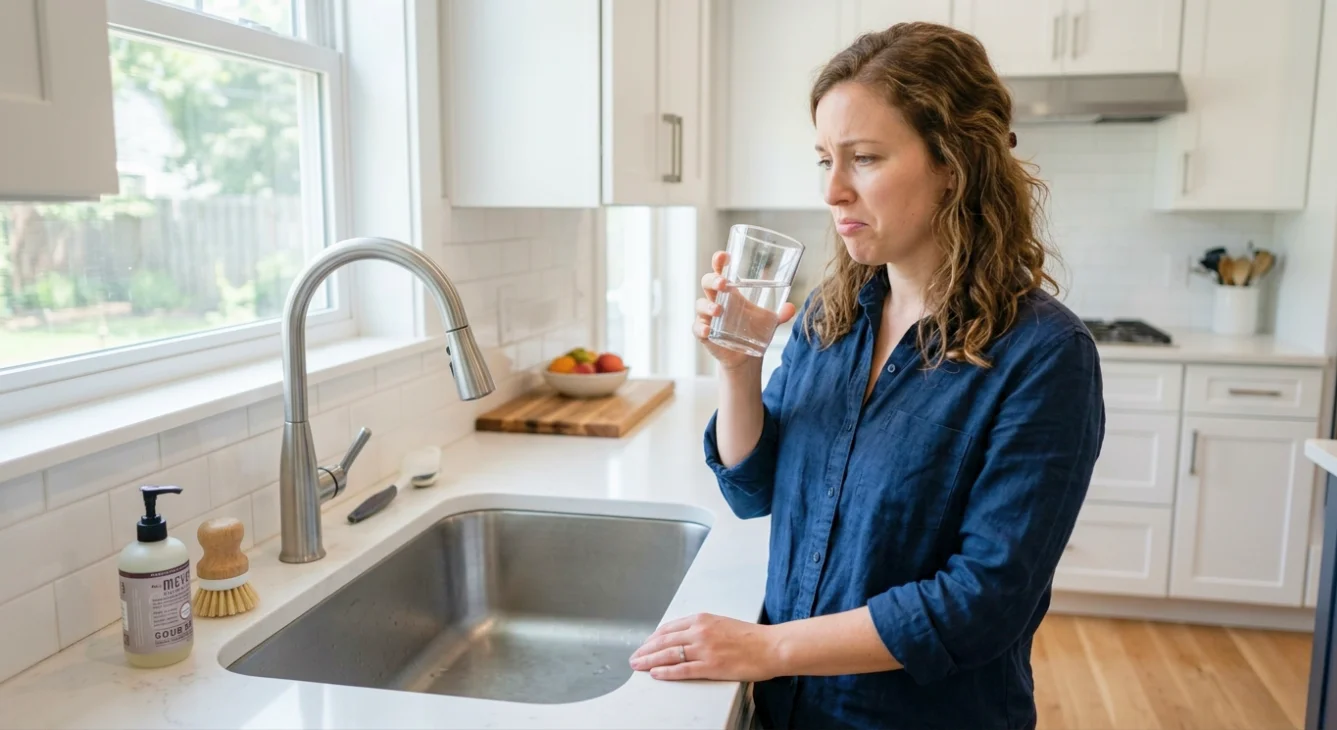
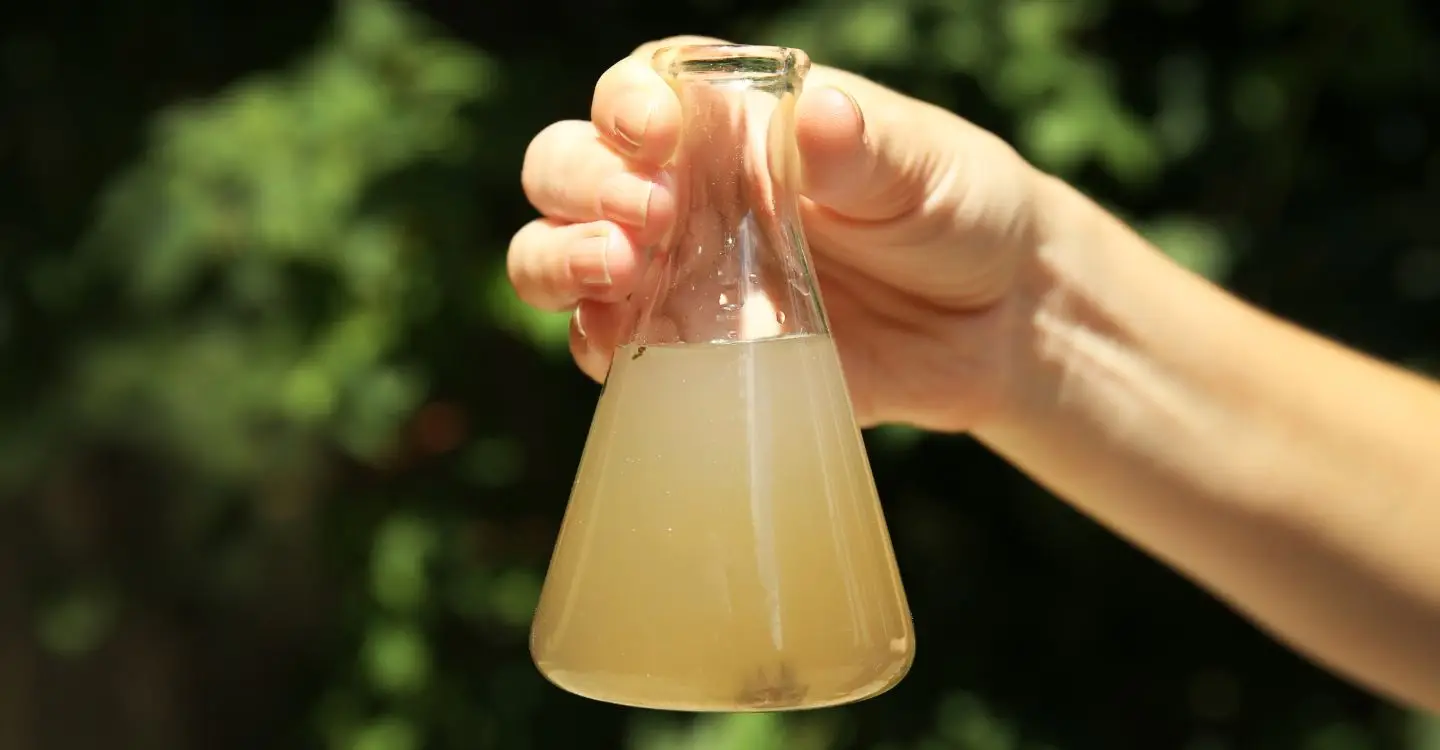
Professional tap water testing in NYC is the most reliable way to know exactly what is in the water your family drinks, cooks with, and bathes in every single day. It provides homeowners with certified, laboratory-grade analysis that detects harmful contaminants like lead, copper, bacteria, PFAS, and volatile organic compounds, threats that are completely invisible to the naked eye but can have lasting effects on your health and plumbing. Water is the silent utility; we turn on the faucet, fill a glass, and expect a clean, refreshing drink without ever questioning the process. For most, this trust is well-placed, but for millions of homeowners, the reality of what flows through aging pipes is far more complex. Understanding tap water safety is not just about avoiding immediate illness; it is about long-term health, protecting your home’s infrastructure, and gaining control over one of the most critical resources in your daily life.
As a homeowner, you are the final guardian of your water quality. Whether you receive water from a municipal provider or a private well, there are universal truths about safety that every resident should understand.
The Myth of “If It Looks Clear, It’s Safe”
Perhaps the most dangerous misconception in residential water management is the belief that visual clarity equals purity. Many people assume that if their water is clear, lacks a strong odor, and tastes “fine,” it is perfectly safe.
However, some of the most concerning water contaminants are completely invisible. Heavy metals like lead can leach into your water from aging pipes long before they produce a metallic taste or color. Similarly, microscopic bacteria and certain chemical compounds can be present at levels that threaten your health without ever changing the appearance of the liquid in your glass. This is why professional water testing is the only reliable way to move beyond assumptions and into the realm of evidence-based safety.
The Two Worlds of Water: Municipal and Well
Your approach to water safety should be informed by the source of your supply. Each comes with its own set of responsibilities and potential risks.
The Municipal Context
When you get water from a public utility, it is treated to meet federal guidelines set by the Environmental Protection Agency (EPA). This system works well for most of the country, ensuring that water leaving the treatment plant is clean.
However, the safety of your water can be compromised after it leaves the treatment facility. Miles of underground infrastructure, some of which may be decades or even a century old, can introduce contaminants. Furthermore, the plumbing inside your own walls—your home’s service lines, joints, and faucets—is your responsibility. If your home was built before the mid-1980s, there is a higher probability of lead-based solder being present in your pipes. Knowing your neighborhood’s infrastructure age is essential, and our local locations guide can provide context for what homeowners in your specific region should look out for.
The Private Well Context
For those on private wells, the regulatory safety net provided by municipal utilities does not exist. You are the operator of your own water system. Factors like seasonal heavy rains, flooding, or even improper maintenance of a nearby septic system can introduce harmful pathogens or chemicals into your well water overnight. The onus is entirely on the homeowner to monitor water quality, which makes regular testing a critical maintenance task, not an optional one.
Common Indicators of Water Quality Issues
You don’t always need a lab report to know something is “off.” Your home often provides subtle clues that your water quality has shifted:
- Staining: Reddish-orange stains in sinks often point to high iron content, while blue-green stains are a telltale sign of acidic water corroding copper pipes.
- Odors: A sulfurous, “rotten egg” smell usually indicates hydrogen sulfide, often linked to bacteria in the water or a neglected water heater.
- Appliance Wear: If your dishwasher or washing machine is failing prematurely, or if you notice significant scale buildup on your showerheads, you likely have “hard water.” High mineral content isn’t necessarily a health threat, but it is a major financial drain on your home’s infrastructure.
- Taste: A bitter or metallic taste is a significant warning sign that you should stop drinking the water and investigate its composition immediately.
If you are seeing these signs, our frequently asked questions section offers guidance on what these symptoms might mean and how to address them before they lead to bigger problems.
Why Professional Testing is Essential
When you decide to check your water, you might be tempted to use a simple “dip stick” kit from the hardware store. While these kits provide a fun, quick experiment, they are rarely accurate enough to detect the specific, low-level contaminants that pose long-term health risks.
A professional, laboratory-verified water test provides a comprehensive analysis. It doesn’t just tell you “if” there is an issue; it tells you exactly “what” is in the water and “how much” of it is present. This data is the difference between guessing which filter to buy and installing a treatment system that actually solves the problem.
Taking Charge of Your Home
Water safety isn’t something that should be handled only in an emergency. It is a fundamental aspect of proactive home maintenance. By making testing a regular event—perhaps during your spring cleaning or when you perform other annual home services—you ensure that the water you and your family consume remains a source of health rather than a source of concern.
If you haven’t tested your water in the last year, there is no better time than now to take the first step. You can reach out to our team through our contact page to schedule an evaluation or to ask questions about your specific water setup.
The goal isn’t to create fear around your tap water; it is to create certainty. When you know exactly what is in your water, you can make the right choices for your home, your appliances, and, most importantly, your family’s well-being. To read more about how to maintain a healthy home environment, feel free to visit our latest blog articles.