For most homeowners, the plumbing system is a classic case of “out of sight, out of mind.” We turn the handle, the water flows, and we go about our day. However, the water moving through those pipes is a dynamic, ever-changing substance. It carries minerals, sediments, and—occasionally—contaminants that can affect everything from your morning coffee to the integrity of your home’s infrastructure.
Knowing when to schedule a professional water inspection isn’t just about waiting for a problem to arise; it’s about maintaining the health and longevity of your home. While some milestones are obvious, others are subtle shifts that only an expert can truly quantify.
The Milestone Triggers: When It’s Time for a Test
While annual testing is often recommended for private well owners, there are several “trigger events” that should prompt every homeowner, regardless of their water source, to contact a specialist.
1. Moving into a New Home
When you buy a home, you inherit the previous owner’s maintenance history—or lack thereof. Before you move your family in, you should always verify the quality of your water. This is especially critical if the home uses a private well, as water quality can vary significantly even between neighboring properties. A professional inspection ensures that you are starting with a clean slate and allows you to install any necessary treatment services immediately.
2. Noticeable Changes in Taste, Smell, or Appearance
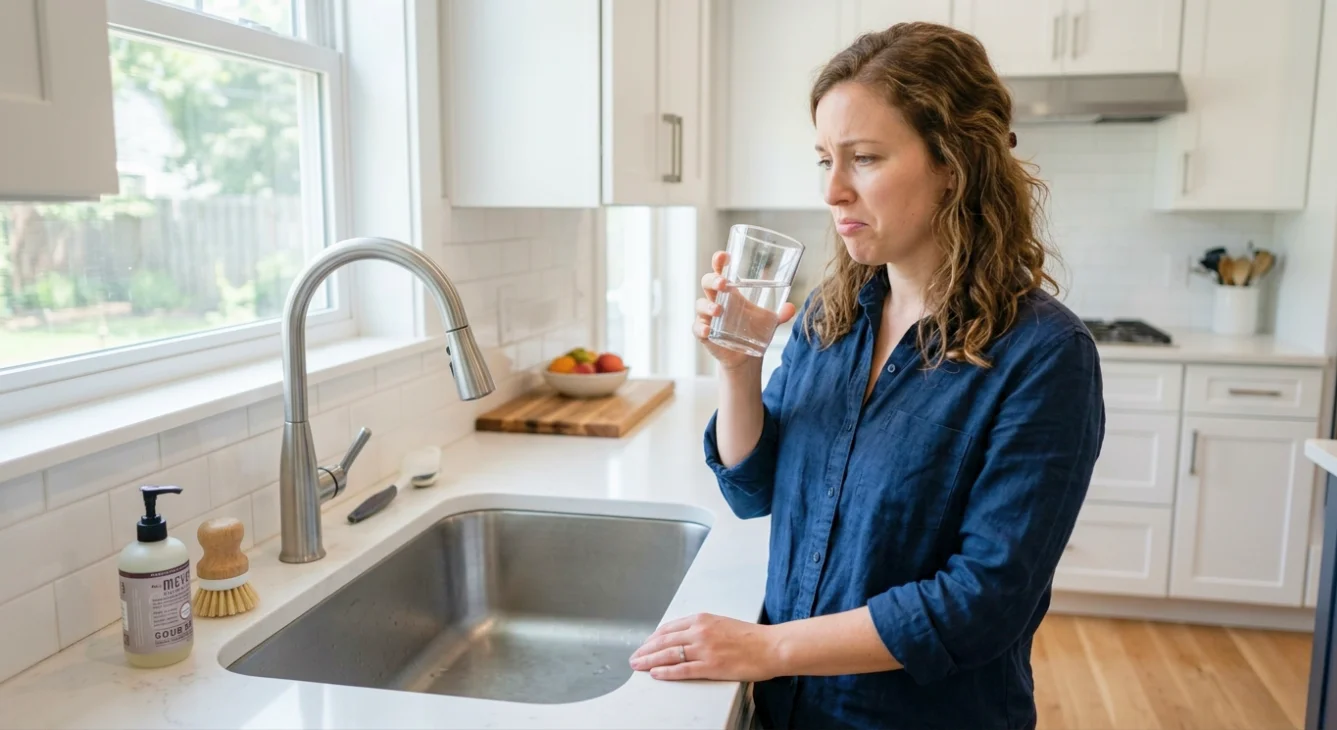
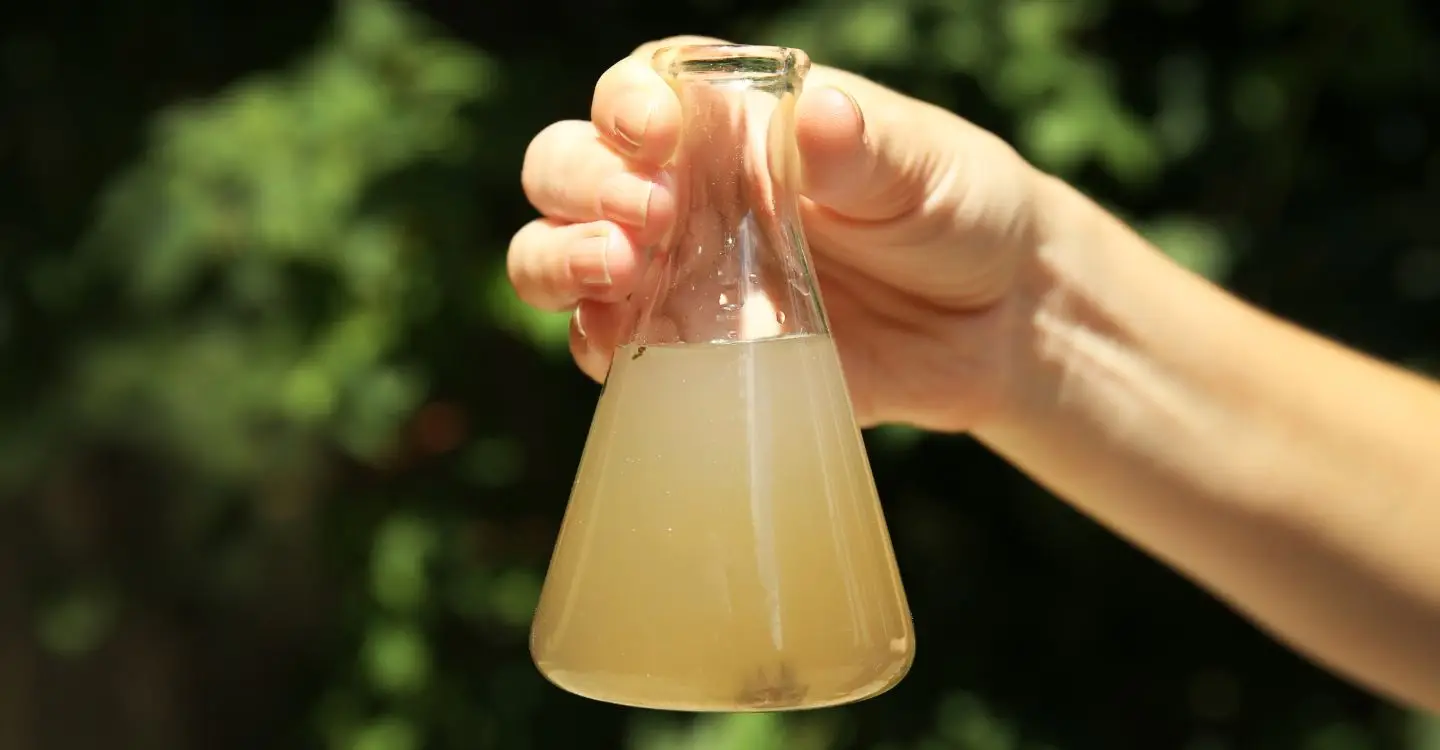
If your water suddenly develops a “rotten egg” odor, a metallic tang, or appears cloudy or discolored, treat this as a warning sign. While some of these changes are harmless, they can also indicate that your water heater is failing, your pipes are corroding, or that external contaminants have breached your system. Do not wait for these symptoms to disappear; they are usually signs of a deeper issue that needs professional diagnosis.
3. After Major Plumbing Repairs or Renovations
If you have recently had work done on your pipes, a new water heater installed, or a kitchen remodel, it is a great time to schedule an inspection. Construction can sometimes introduce sediment or debris into the line, or it might reveal that the existing water chemistry is incompatible with your new fixtures—such as highly acidic water being introduced to new, expensive faucets.
4. Pregnancy, Illness, or New Arrivals
If someone in your home is pregnant, immunocompromised, or if you have a newborn, the threshold for acceptable water quality shifts. Vulnerable populations are more susceptible to the effects of contaminants like lead, nitrates, or bacteria. In these instances, peace of mind is invaluable, and a professional analysis provides the data you need to ensure your home environment is as safe as possible.
The “Local” Factor: Why Geography Matters
One of the biggest misconceptions in home maintenance is that water quality standards are universal. In reality, the water in your pipes is a reflection of the local environment.
Geology, agricultural runoff, and the age of local municipal infrastructure all influence what reaches your tap. A community might experience a spike in manganese during a wet season, while another area might deal with constant, high-hardness levels due to limestone deposits. Professional inspectors are familiar with these regional trends. They can tell you if your water issues are standard for your neighborhood or if they are indicative of a specific problem at your property that requires immediate attention.
Why Proactive Inspection Beats Reactive Repair
The cost of a professional inspection is a fraction of the cost of replacing corroded pipes, ruined appliances, or a failing well pump. When you schedule an inspection, you are getting more than just a test result; you are getting a diagnostic report on your home’s “circulatory system.”
According to the Environmental Protection Agency (EPA), consistent monitoring is the only way to ensure the ongoing safety of private water supplies. By identifying high acidity (which corrodes copper) or high hardness (which scales up appliances) early, you can take preventative steps like installing a neutralizer or a softener. This preserves your home’s value and prevents the “emergency plumber” scenarios that everyone wants to avoid.
Navigating the Inspection Process
If you feel like it has been too long since your last check, the process is likely much easier than you expect. Professional testing involves:
- Sample Collection: A technician will collect water samples from key points in your home to ensure an accurate representation of the supply.
- Comprehensive Analysis: The samples are analyzed for a wide range of parameters, including heavy metals, bacteria, mineral content, and chemical contaminants.
- Clear Interpretation: A professional will explain what your results mean in plain language. If you have questions about specific terms or chemical levels, our FAQ section is designed to provide clear, actionable information.
Planning Your Next Steps
If you are currently experiencing any of the signs mentioned above, or if you simply can’t remember the last time your water was checked, now is the time to act. Taking a proactive approach to your home’s water quality is one of the smartest investments you can make in your long-term comfort.
To learn more about how we can help you keep your home’s systems running smoothly, explore our blog for more maintenance tips and expert insights. When you are ready for a thorough analysis, please contact us. We are here to help you gain the clarity and confidence that comes with knowing exactly what is in your water.