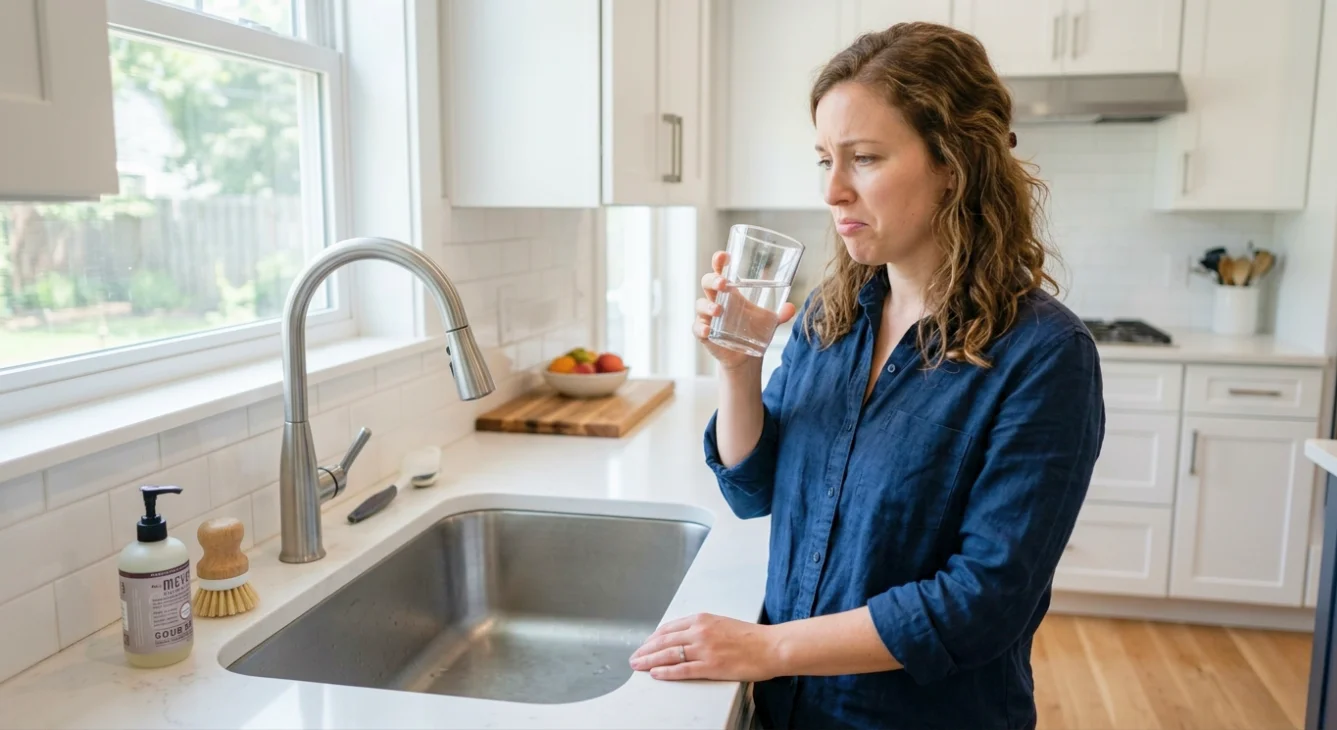
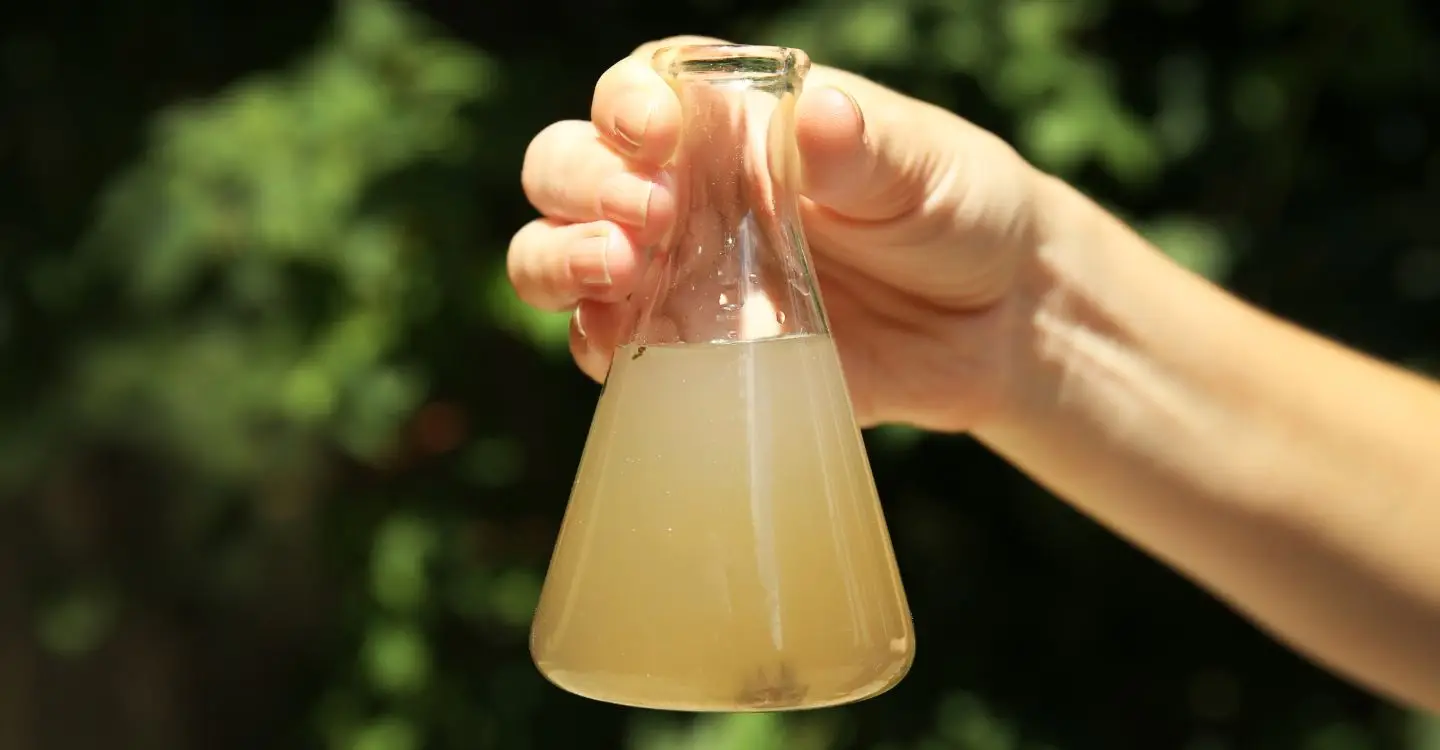
Home and residential water testing in NYC is the only way to move from assumption to certainty about what is truly flowing from your taps. Water is the lifeblood of any household, yet many of the most dangerous contaminants, including lead, bacteria, PFAS, and chemical runoff, are completely invisible, odorless, and tasteless, making it impossible to judge safety by appearance alone. Whether your home is connected to the municipal supply or a private well, the journey water takes through miles of aging infrastructure and decades-old plumbing means contamination can occur long after it leaves the treatment facility. By making professional water testing a standard part of your home maintenance routine, you take a proactive stance on your family’s health, your property’s value, and the longevity of your household appliances.
The Invisible Threat: Why “Clear” Isn’t Always “Clean”
One of the most dangerous misconceptions about water quality is that visual clarity equates to purity. If the water looks clear, has no visible sediment, and doesn’t smell like sulfur, many homeowners assume it is perfectly fine.
Unfortunately, many of the most common water contaminants are invisible, odorless, and tasteless. Lead, for example, can leach into water from aging service lines or household plumbing fixtures without changing the water’s appearance in the slightest. Similarly, certain bacteria, pesticides, and chemical runoff can remain undetected by the human senses.
By prioritizing regular water testing, you strip away the guesswork. Professional analysis identifies contaminants that you simply cannot detect on your own, providing a data-driven baseline for your home’s health.
Understanding Your Source: Municipal vs. Private Wells
The risks associated with water quality often depend on how you receive your water.
Municipal Water Systems
If your home is connected to a public utility, your water is treated and monitored at the plant to meet EPA standards. However, that is not where your water’s journey ends. Once the water leaves the treatment facility, it travels through miles of underground infrastructure that may be decades old.
While the city may be responsible for the water quality at the main line, the condition of the pipes leading directly to your home—and the plumbing inside your walls—is your responsibility. Corroded pipes, stagnant water in low-use fixtures, and local plumbing failures can introduce heavy metals or contaminants between the main line and your tap. Exploring our service areas can help you determine if your specific neighborhood has known infrastructure concerns that warrant extra vigilance.
Private Wells
For homeowners who rely on private wells, the responsibility for water quality shifts entirely to the owner. Unlike public water, wells are not monitored by city agencies. Factors such as agricultural runoff, septic system leaks, or changes in the local water table can shift the quality of your water overnight. If you own a well, performing comprehensive testing is not just a recommendation; it is a critical maintenance task for your family’s safety.
Common Contaminants to Watch For
When you schedule professional services, you are looking for more than just “dirty water.” A comprehensive report typically screens for a variety of potential issues:
- Lead and Copper: Often originating from aging pipes and solder in older residential plumbing.
- Bacteria and Pathogens: Coliform bacteria or E. coli can infiltrate well systems through heavy rain, flooding, or compromised well seals.
- Nitrates: Frequently linked to fertilizers or septic system seepage, nitrates are a major concern, particularly for homes with infants.
- PFAS and “Forever Chemicals”: An emerging concern in many suburban and rural areas, these man-made chemicals have gained national attention for their persistence in the environment. For more information on how to interpret these risks, you can review the EPA’s guide on drinking water contaminants.
Protecting Your Infrastructure and Appliances
While the health of your family is the primary concern, water quality also plays a massive role in the longevity of your home’s infrastructure. “Hard water”—water with high mineral content—can wreak havoc on your plumbing.
Calcium and magnesium deposits can build up inside your pipes, reducing water pressure and causing eventual blockages. These same minerals can shorten the lifespan of your water heater, dishwasher, and washing machine, leading to expensive repairs or premature replacements. If you are noticing crusty buildup on your faucets or lackluster cleaning performance from your appliances, it may be time to look into our testing process to determine if your water chemistry is the culprit.
How to Get Started
If you have realized that it has been a while—or perhaps never—since you last looked into your water quality, taking the first step is simple. You don’t need to be an expert in chemistry to secure your home.
- Assess Your History: Has there been recent construction in your neighborhood? Have you had issues with water pressure or odd tastes? Knowing the history of your home helps professionals narrow down what to test for.
- Consult the Professionals: Rather than relying on simple home kits found at the hardware store, which often only test for a narrow range of parameters, consider reaching out through our contact page. Professional lab analysis offers a much higher degree of accuracy and a broader scope of detection.
- Review the Findings: Once you have your results, don’t feel overwhelmed. Whether your water is pristine or requires a filtration system, having the facts allows you to make informed decisions. We keep a detailed FAQ section that helps translate technical reports into plain English.
Conclusion
Water quality is dynamic. What was safe yesterday may be different tomorrow due to seasonal changes, weather events, or infrastructure aging. By making residential water testing a standard part of your home maintenance routine—much like changing the air filters or servicing the HVAC system—you are taking a proactive stance on your family’s health and your property’s value.
Don’t wait for a sign of trouble to act. Being informed is the most effective way to ensure that every drop of water in your home is as clean, safe, and refreshing as it should be. For those ready to prioritize their water safety, our full list of services is designed to provide you with the peace of mind you deserve. To read more about best practices in home water management, feel free to browse our latest articles.